

Long Lost Uncle Doran
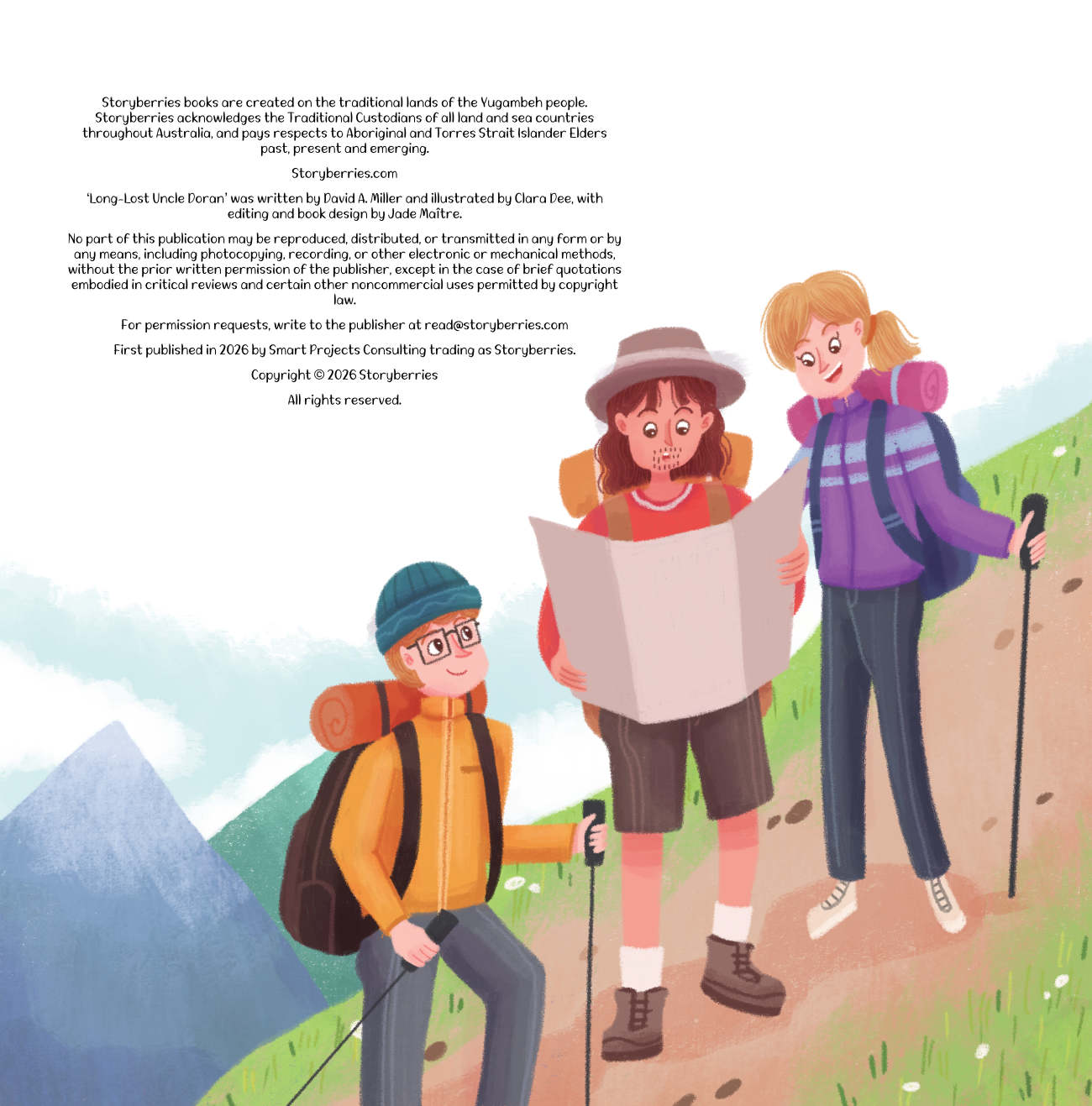
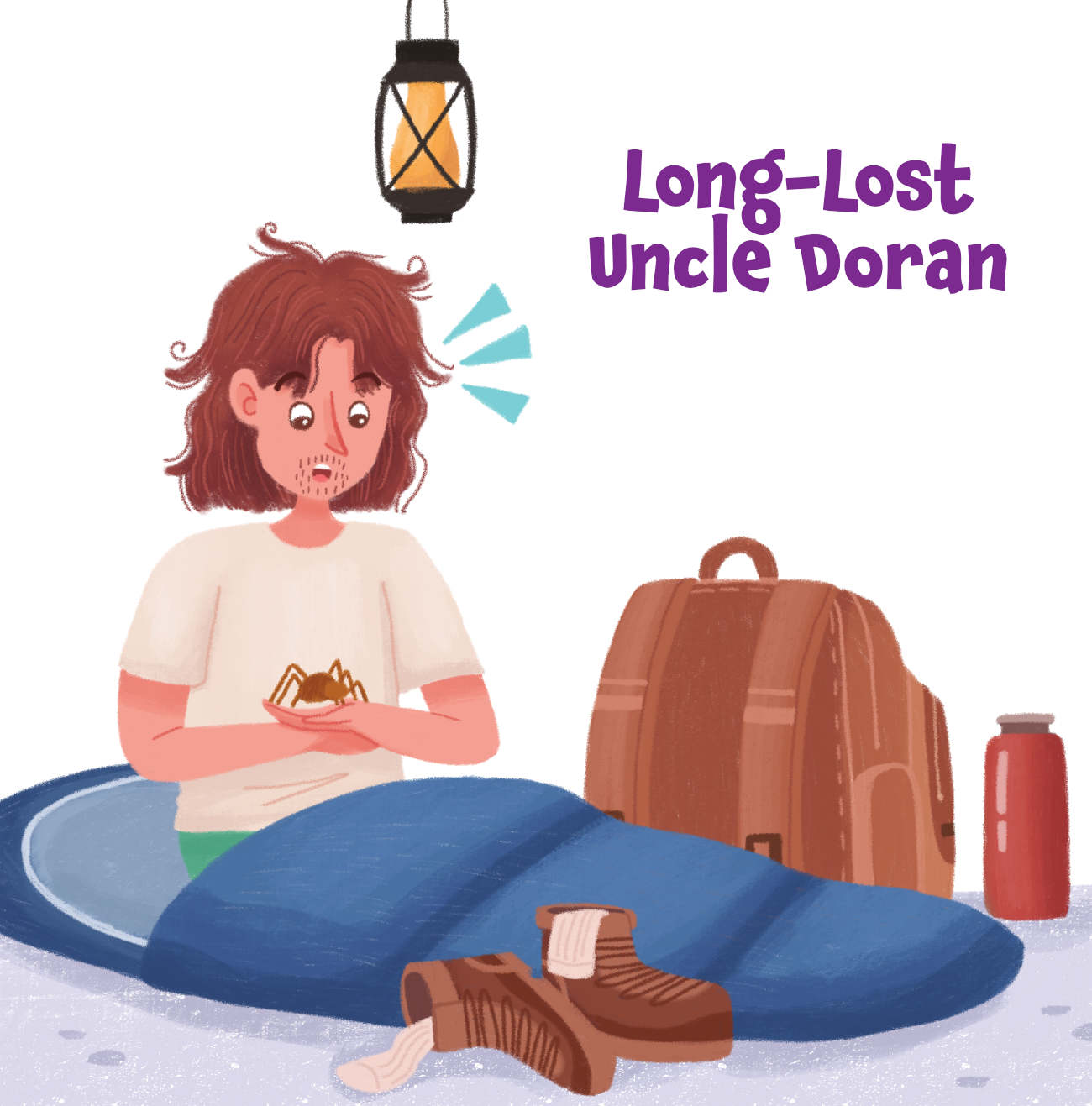
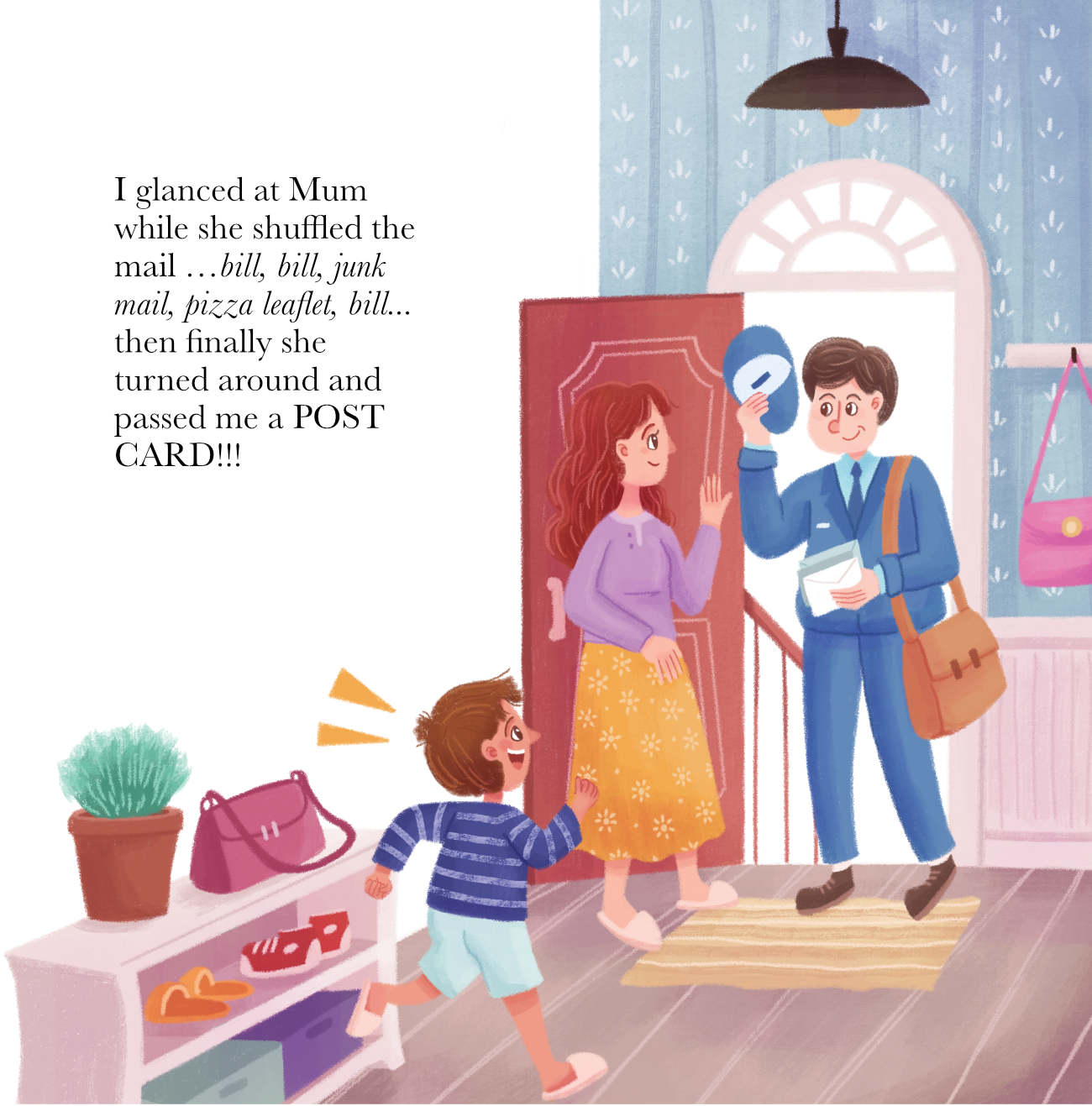
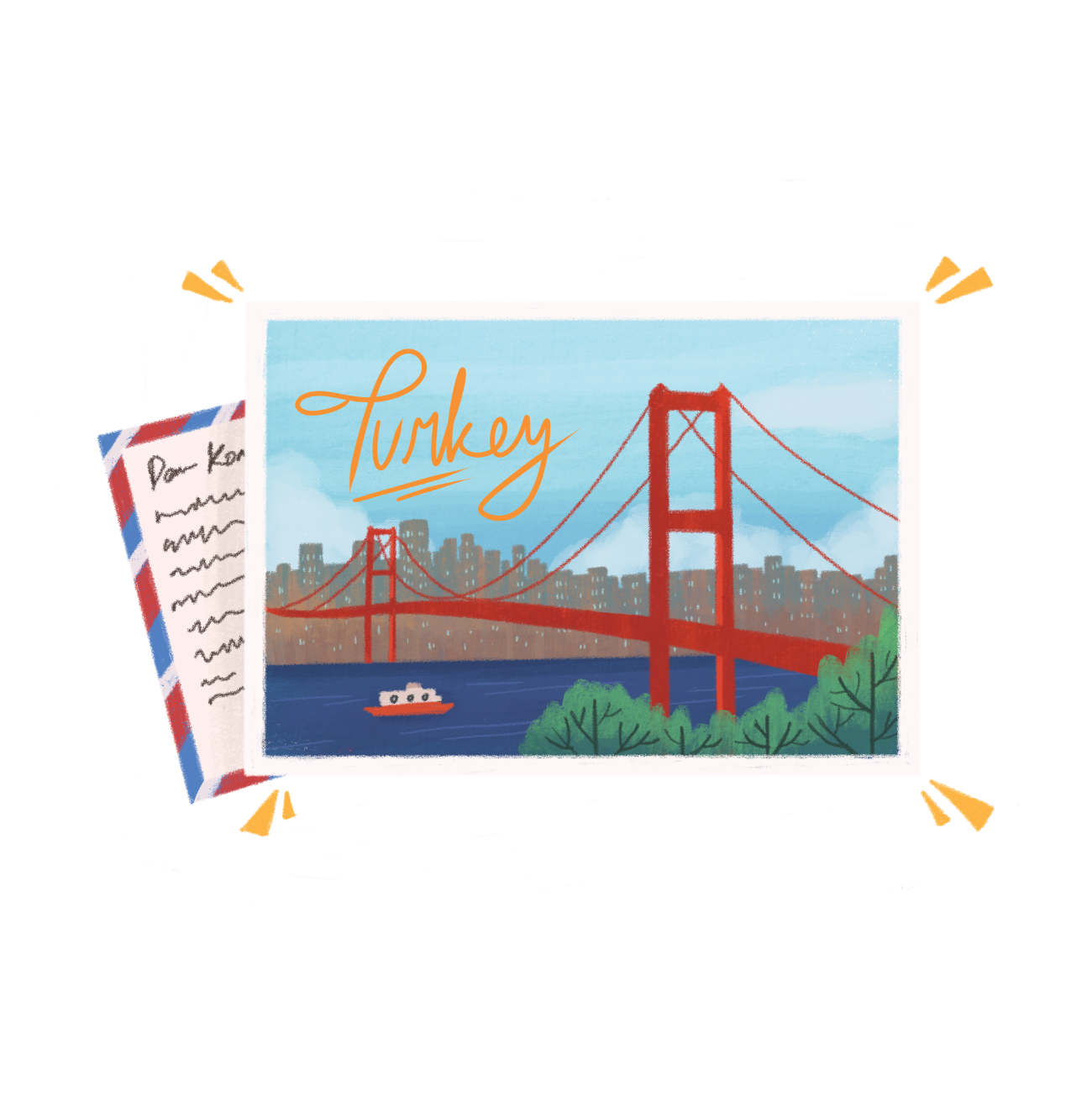
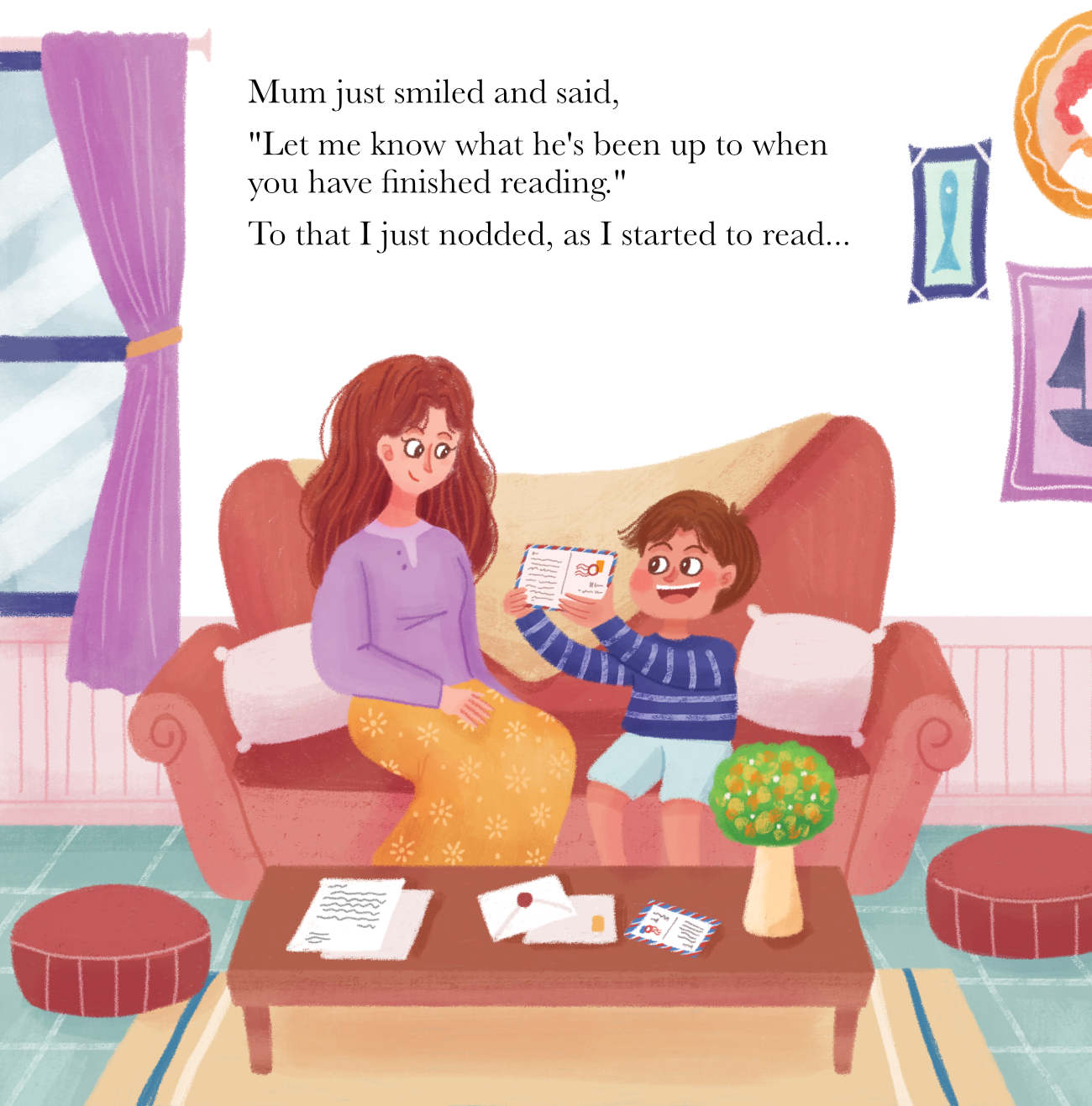
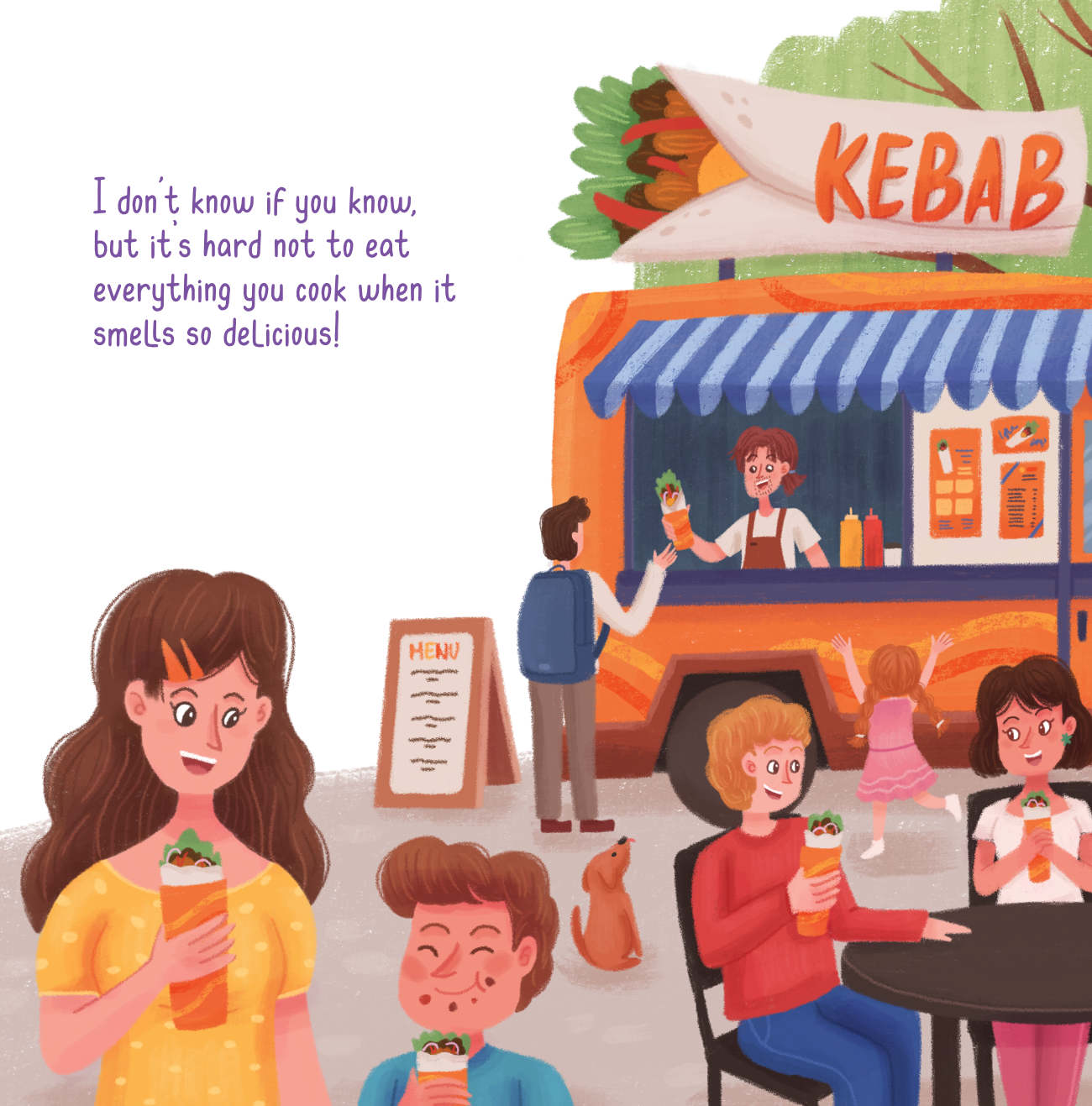
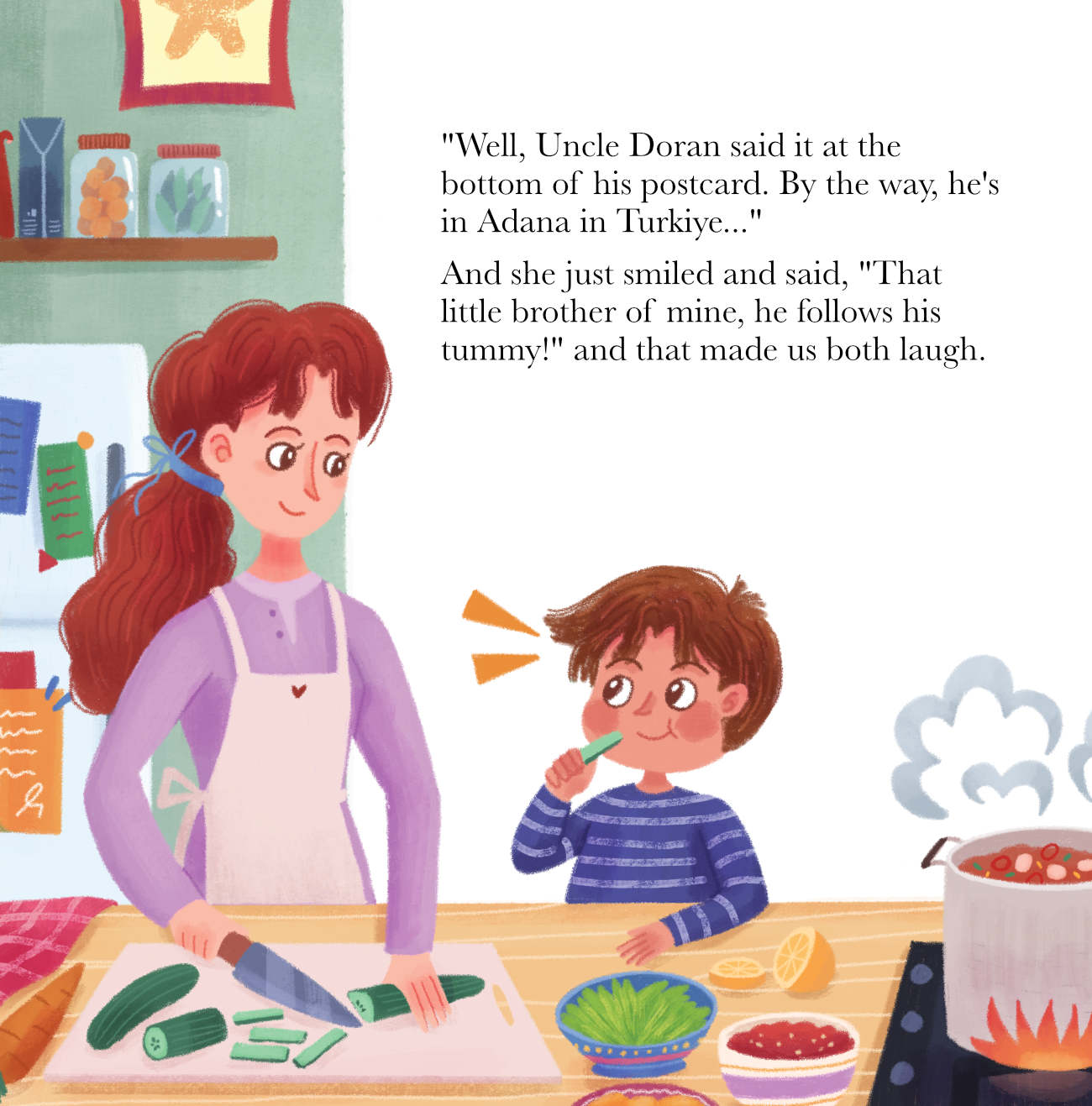
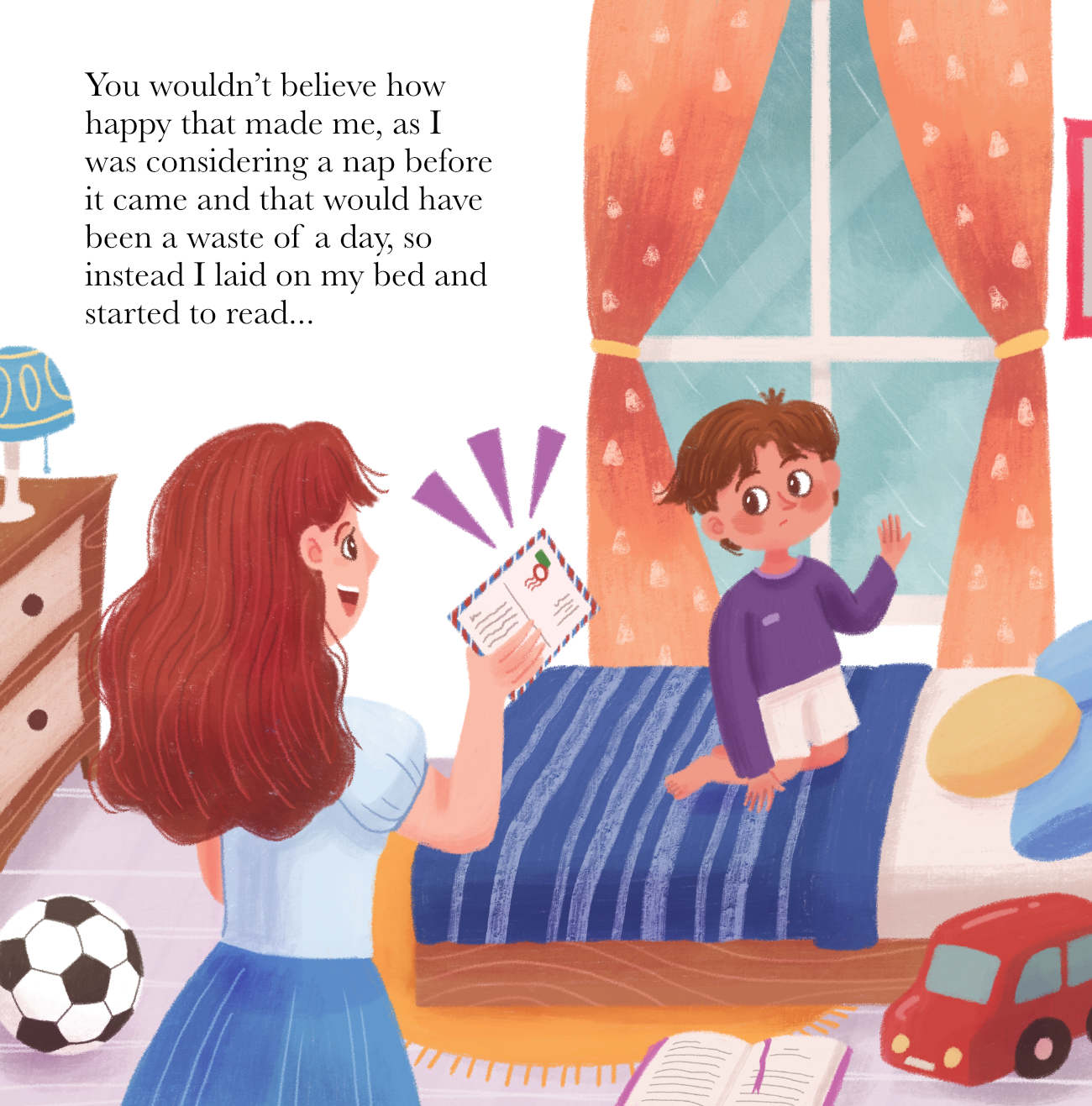
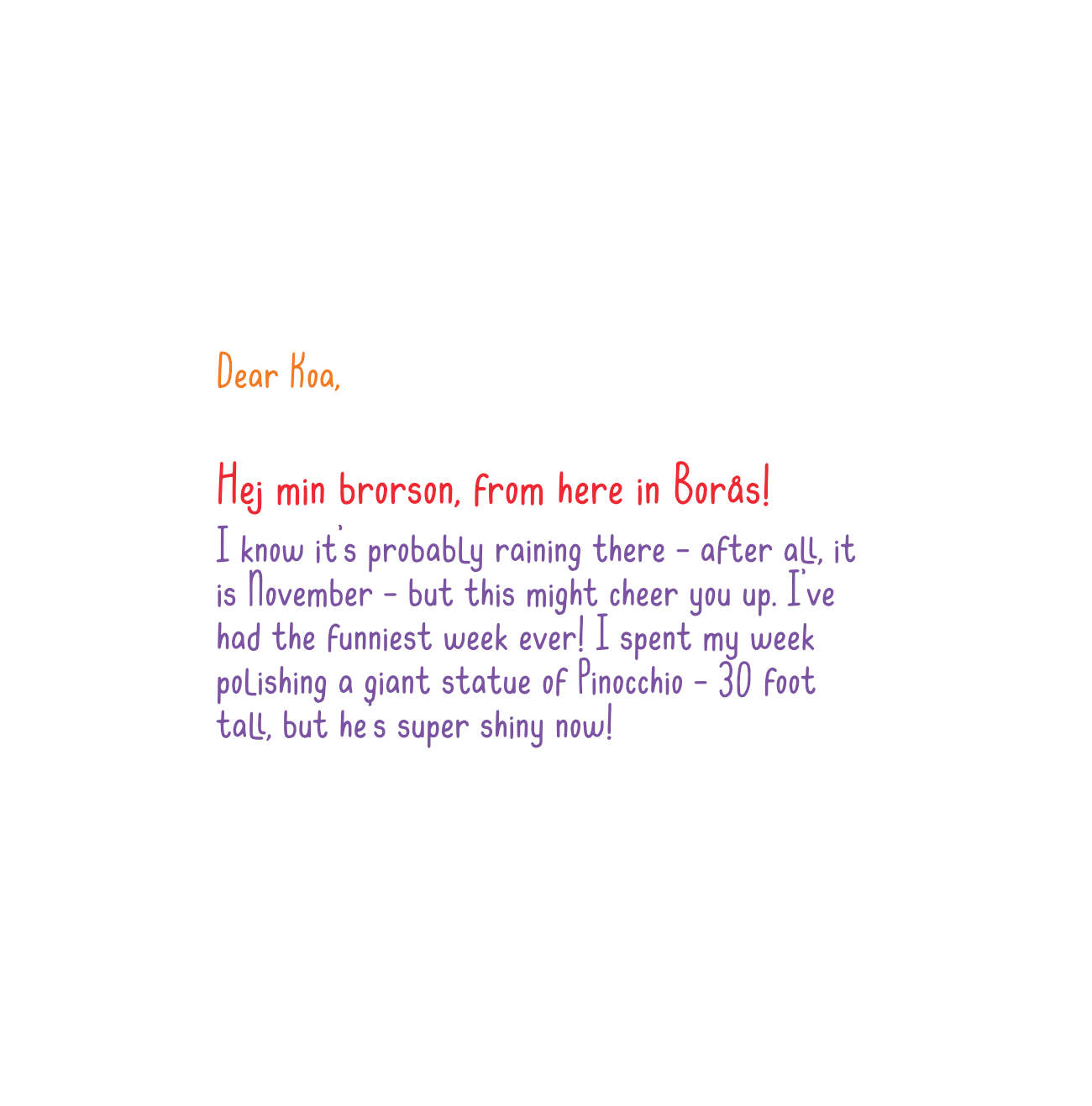
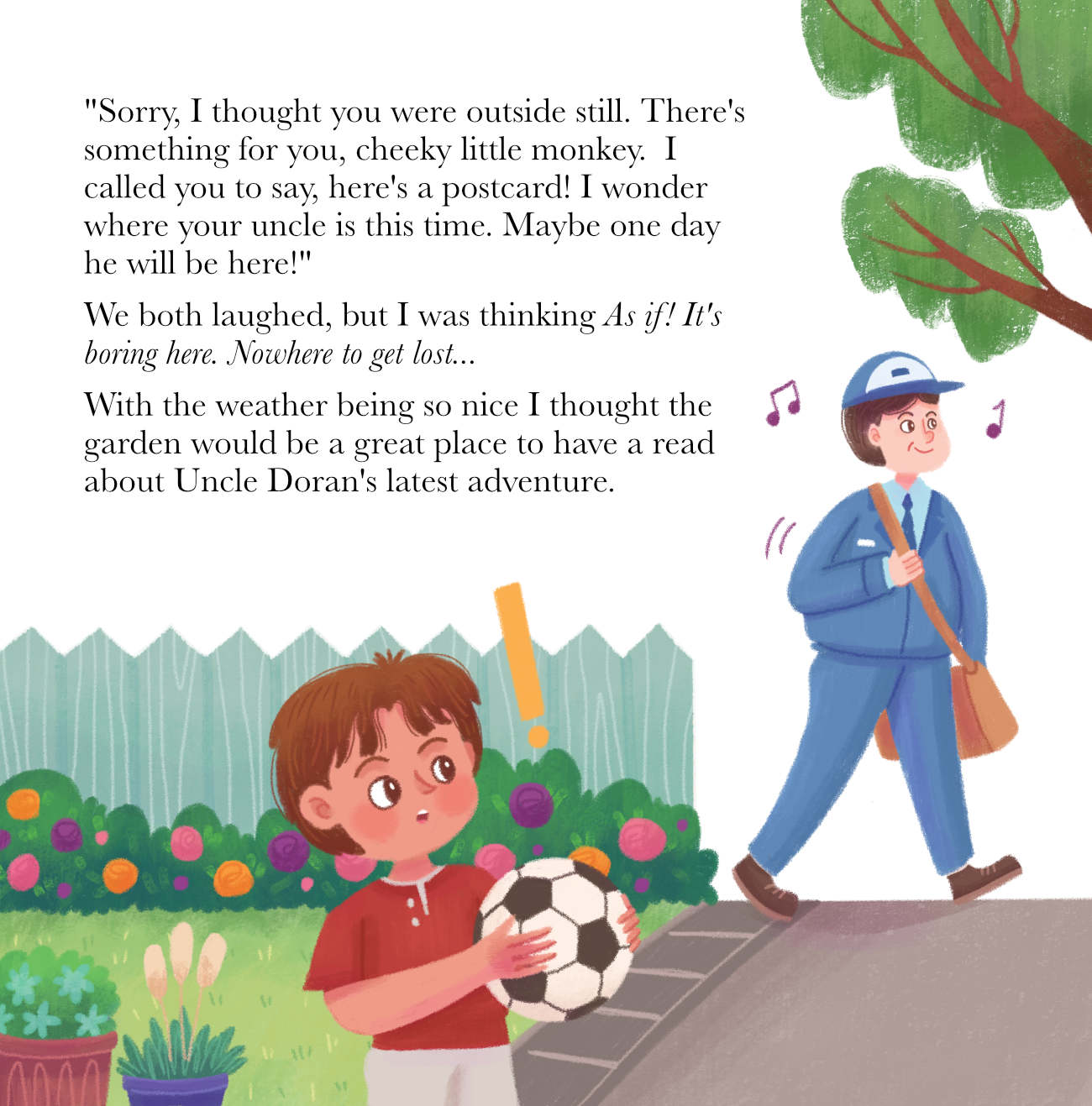
Koa loves receiving postcards from his long-lost Uncle Doran, who travels the world getting into funny and surprising adventures. This warm bedtime story for kids celebrates family, curiosity, mistakes, and the joy of staying connected.
🍓 This story has been written and illustrated by real humans. 🍓
Read along with the animated video
Listen to the audiobook
Read ‘Long Lost Uncle Doran’ online for free


© Storyberries. All rights reserved.
Let’s talk about ‘Long Lost Uncle Doran’!
Vocabulary
- Wanderer
- Someone who travels from place to place without staying long.
- Postcard
- A card sent by mail with a picture on one side and a message on the other.
- Eucalyptus
- A type of tall tree with a fresh smell, often found in Australia.
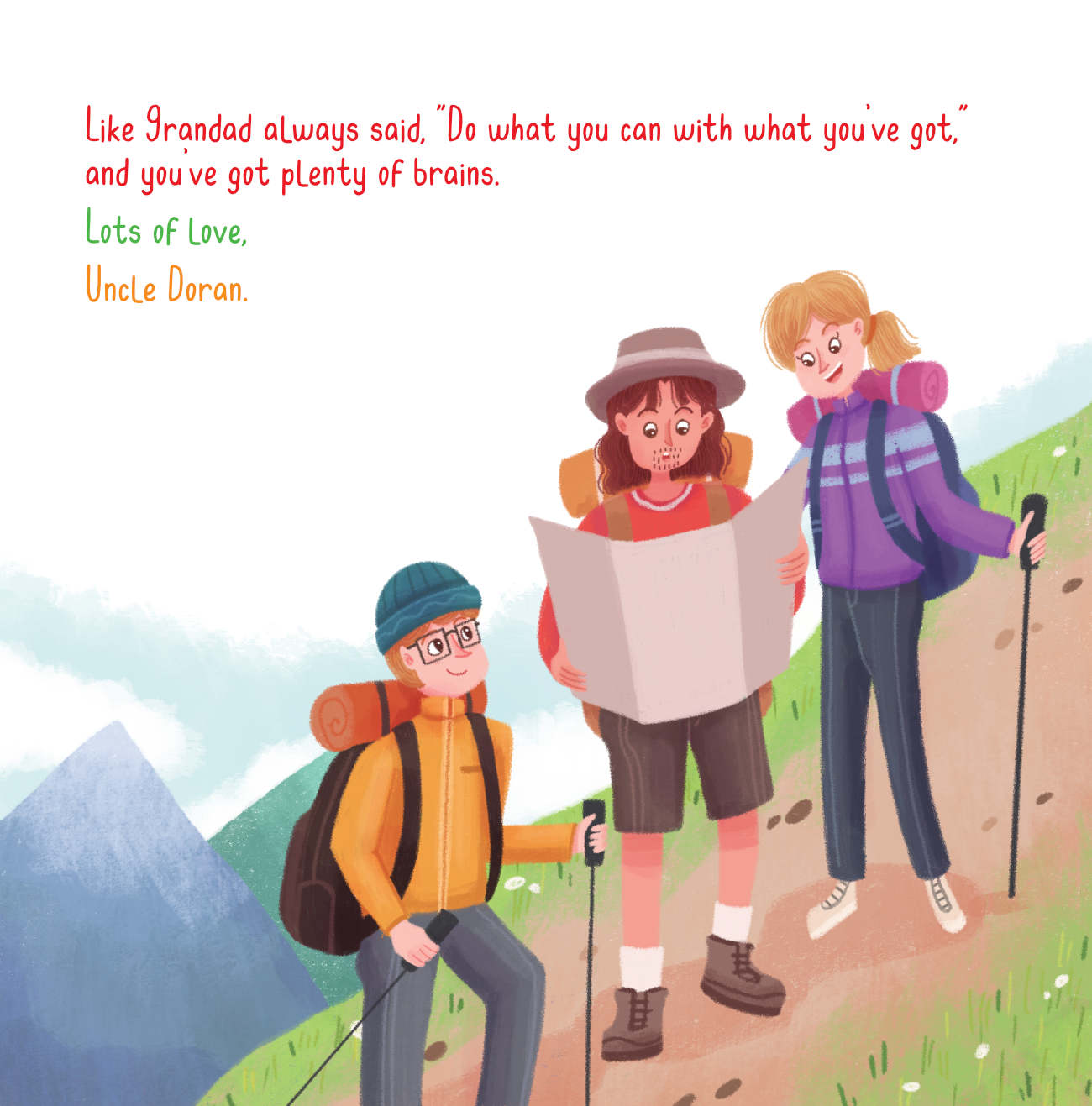
- Trekking pole
- A stick used to help people balance while walking on rough or steep ground.
- Rainforest
- A thick forest with lots of rain, plants, insects, and animals.
- Tarantula
- A very large, hairy spider.
Context
Long Lost Uncle Doran is a modern adventure story about travel, family communication, and learning from experience. The postcard structure gives children a repeated pattern to follow, while each new message introduces a different place, problem, and surprise.
The story supports early literacy by using clear sequencing, lively narration, and memorable details. It also gently introduces cultural and geographical curiosity through settings such as Türkiye, Sweden, Venezuela, and China. Uncle Doran’s mistakes help children think about problem-solving, resilience, and independence.
The learning takeaway is that mistakes can become stories, and stories can help families feel close even when they are far apart.
Discussion questions
Spark a conversation with your child and connect the story to real-life lessons.
Conversation
- Uncle Doran sends postcards instead of visiting often. How do you think that helps him stay connected with Koa?
- If you could reply to one of Uncle Doran’s postcards, what questions would you ask him?
- Why do you think sharing stories is important in a family?
Family
- How do Koa and his mum feel when they receive Uncle Doran’s postcards?
- Why do you think Uncle Doran always makes sure to stay in touch with his family?
- Can you think of a special way your family keeps in touch with each other?
Learning
- What mistakes does Uncle Doran make, and what does he learn from them?
- Why is it important to learn things like reading maps or doing homework?
- What is something new you’ve learned recently that could help you on an adventure?
Independence
- Uncle Doran often gets lost but still finds his way. What does that tell you about him?
- When have you tried something on your own and learned from it?
- Do you think it’s okay to make mistakes when you’re trying to do things independently? Why?
Mistakes, Growth Mindset
- Uncle Doran often gets things wrong. How does he keep going even when things don’t work out?
- Can you think of a time when you made a mistake but learned something important?
- Why is it okay to try again after something goes wrong?
Buy the paperback

Love the story? Own the book
Visit the Storyberries Bookstore
PS: Your support means the world to us! When you make a purchase through an Amazon link, we may earn a small commission at no additional cost to you. This helps us spread the magic of free stories to children across the globe. Thank you for being a part of the Storyberries family!
FAQs about ‘Long Lost Uncle Doran’
What is ‘Long Lost Uncle Doran’ about?
Long Lost Uncle Doran is a warm and adventurous bedtime story about a boy named Koa who receives postcards from his travelling uncle. Each postcard shares a funny and surprising story from a different place in the world. Through these short stories for kids, readers explore travel, learning, and family connections.
What themes are explored in the story?
The story explores family, communication, independence, and learning through experience. Uncle Doran’s adventures show how mistakes can still lead to discovery and growth. It also highlights the joy of staying connected, even across long distances.
What happens in Uncle Doran’s adventures?
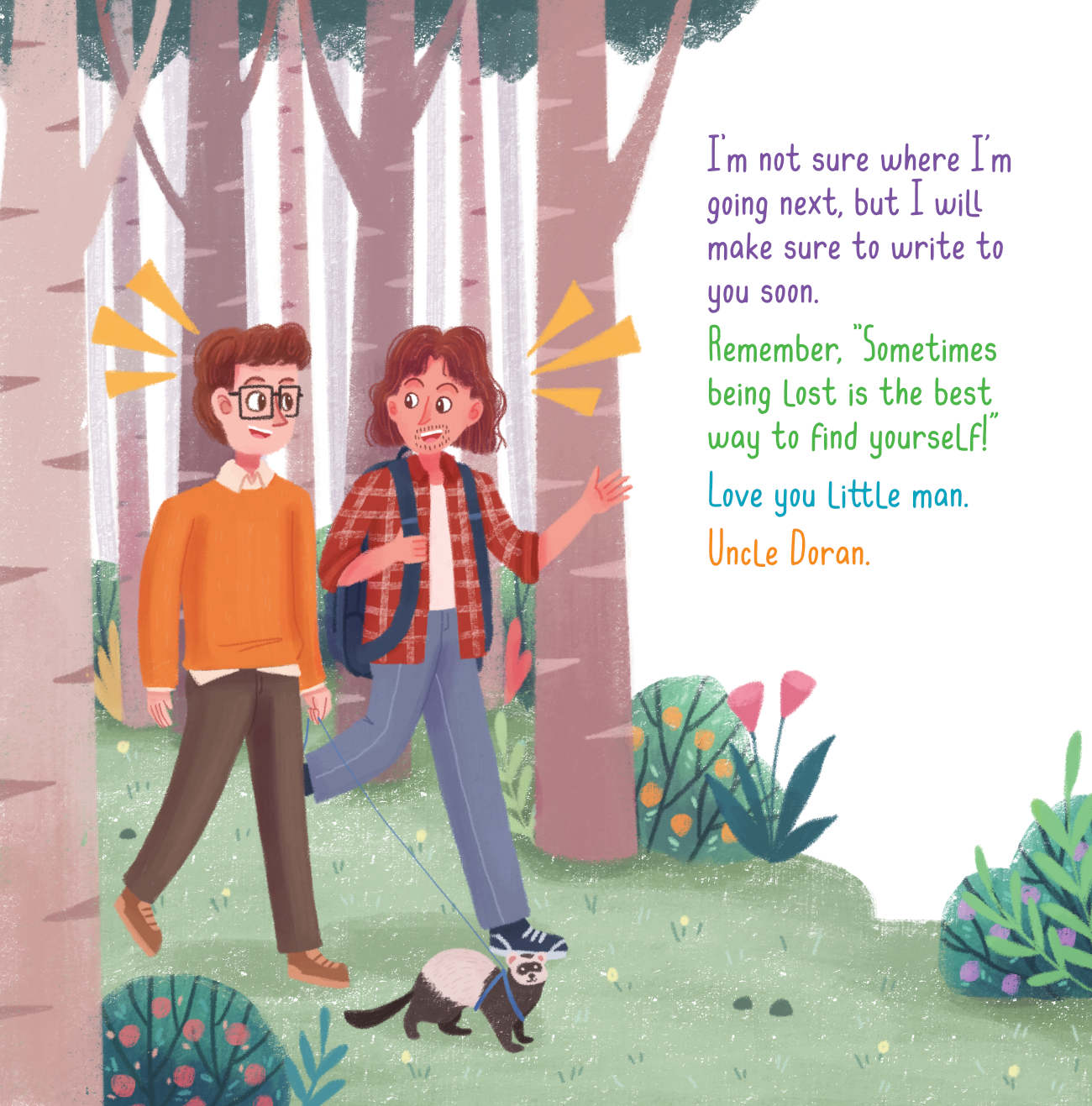
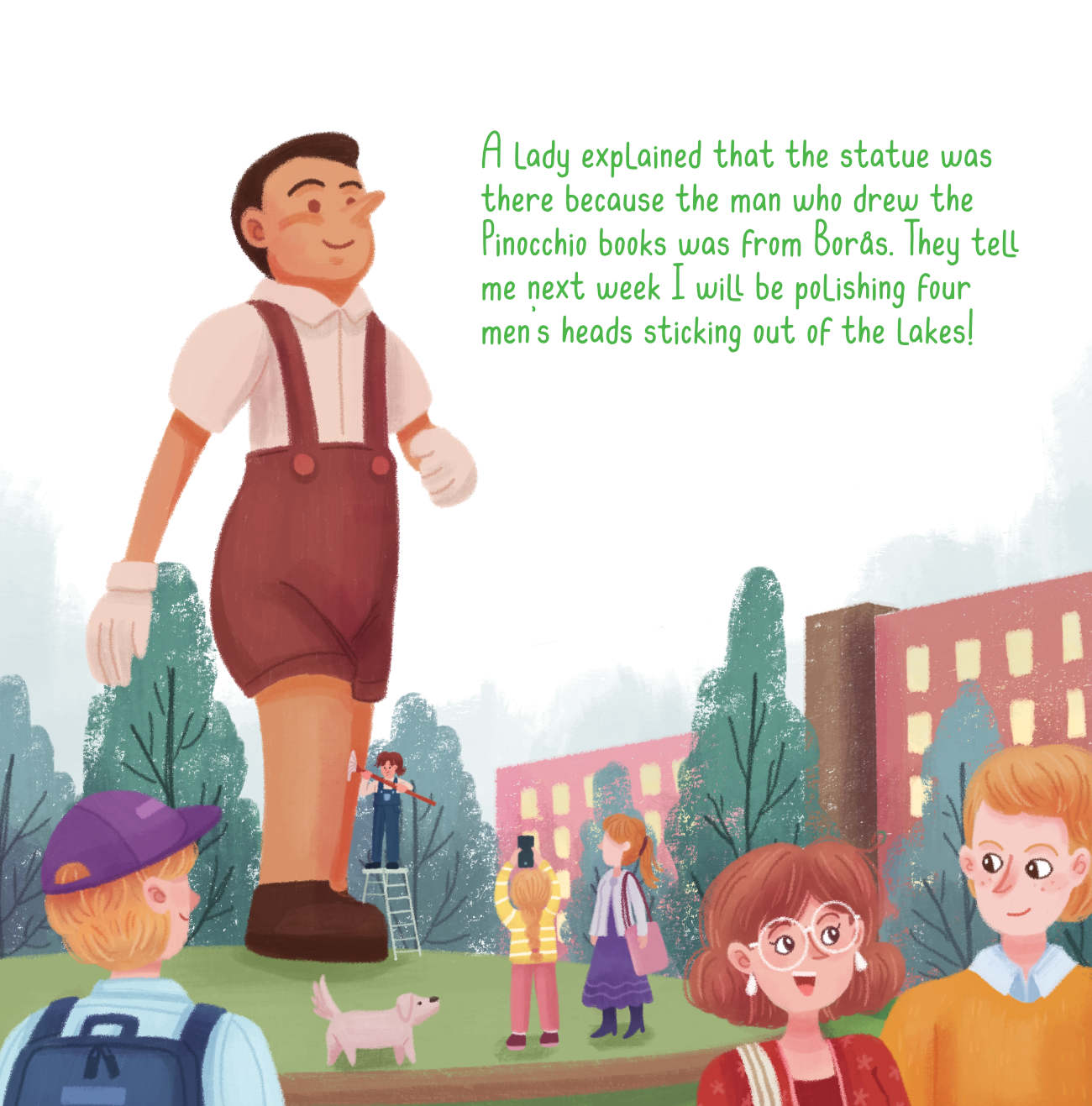
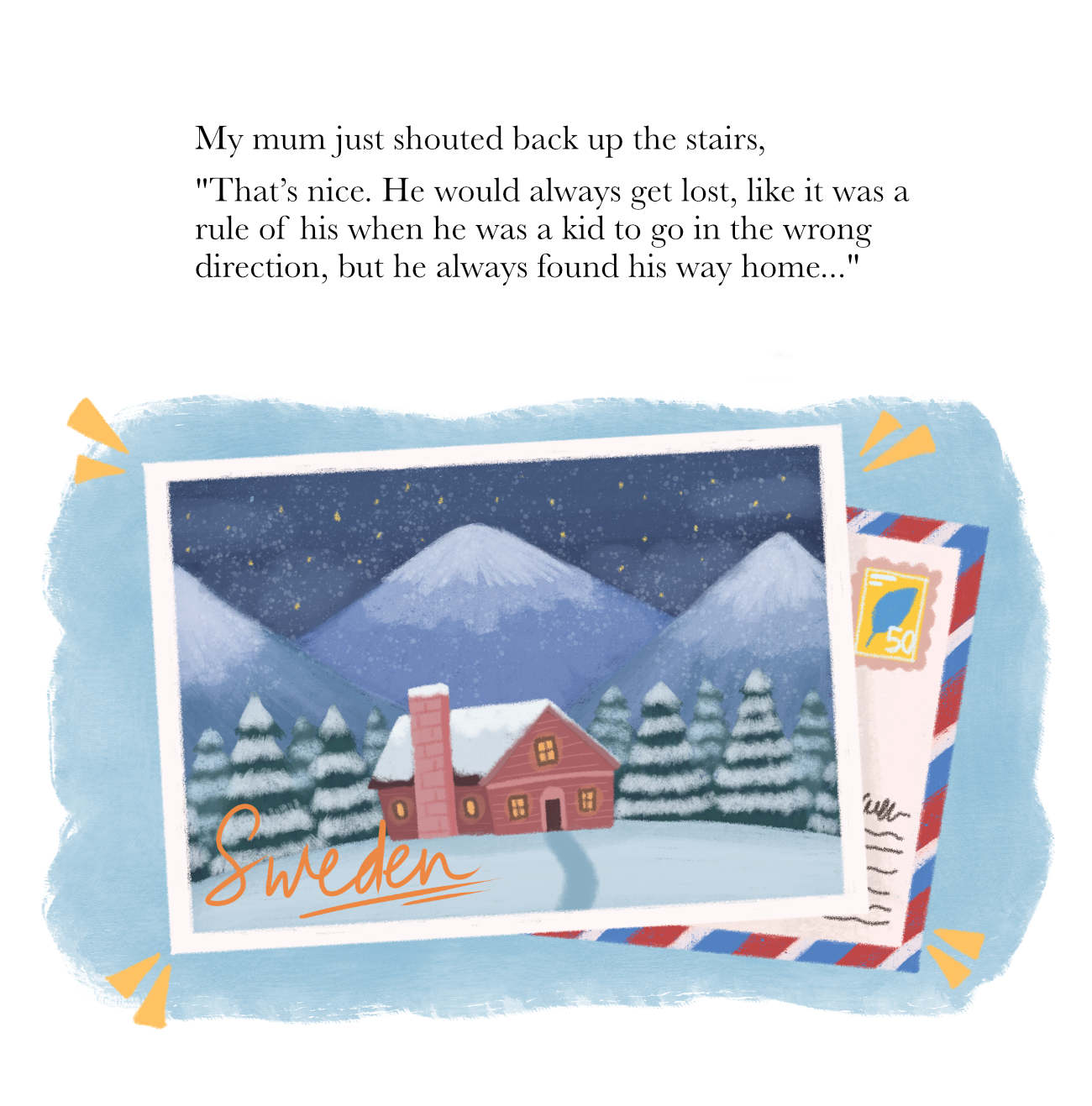
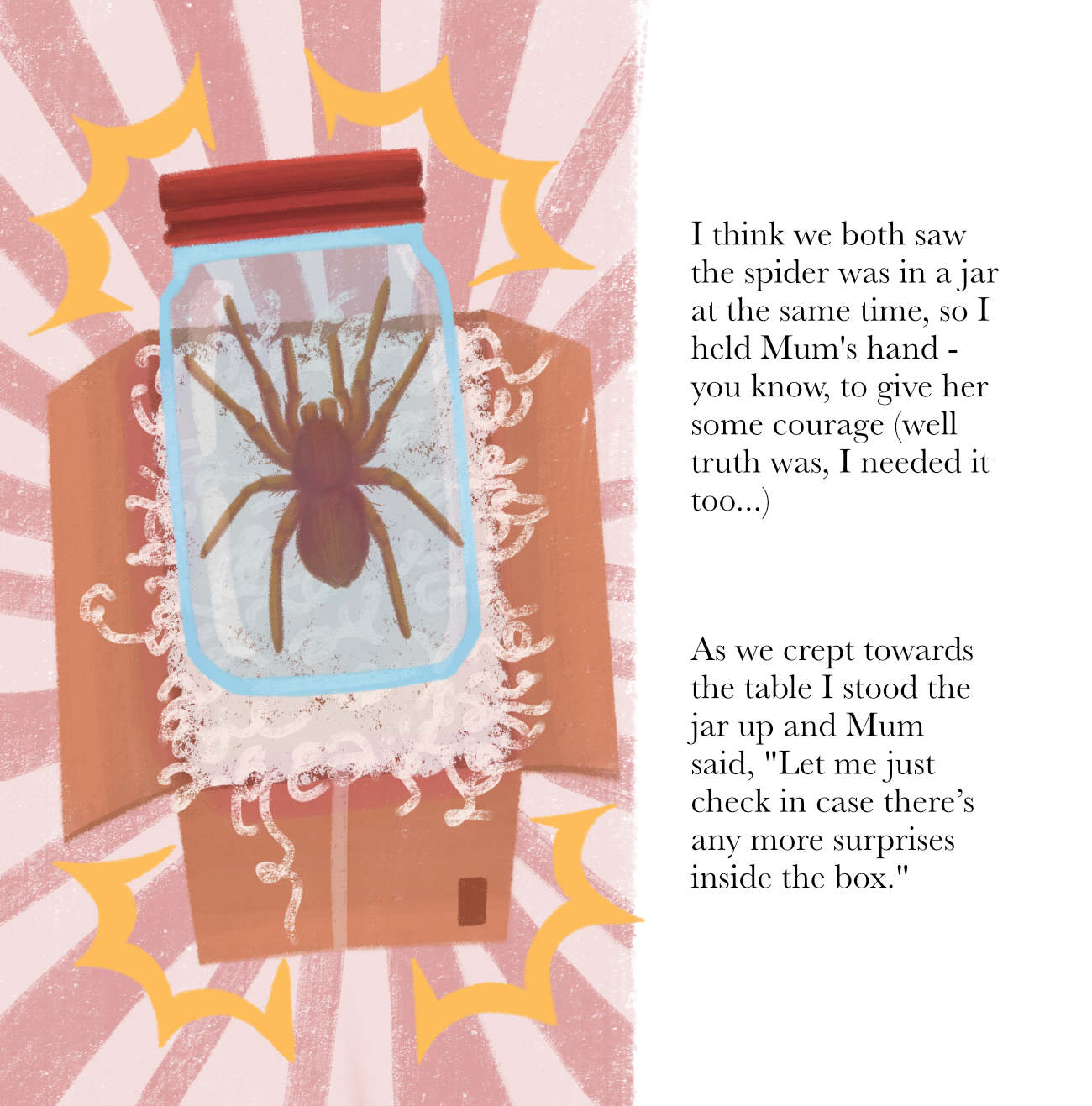
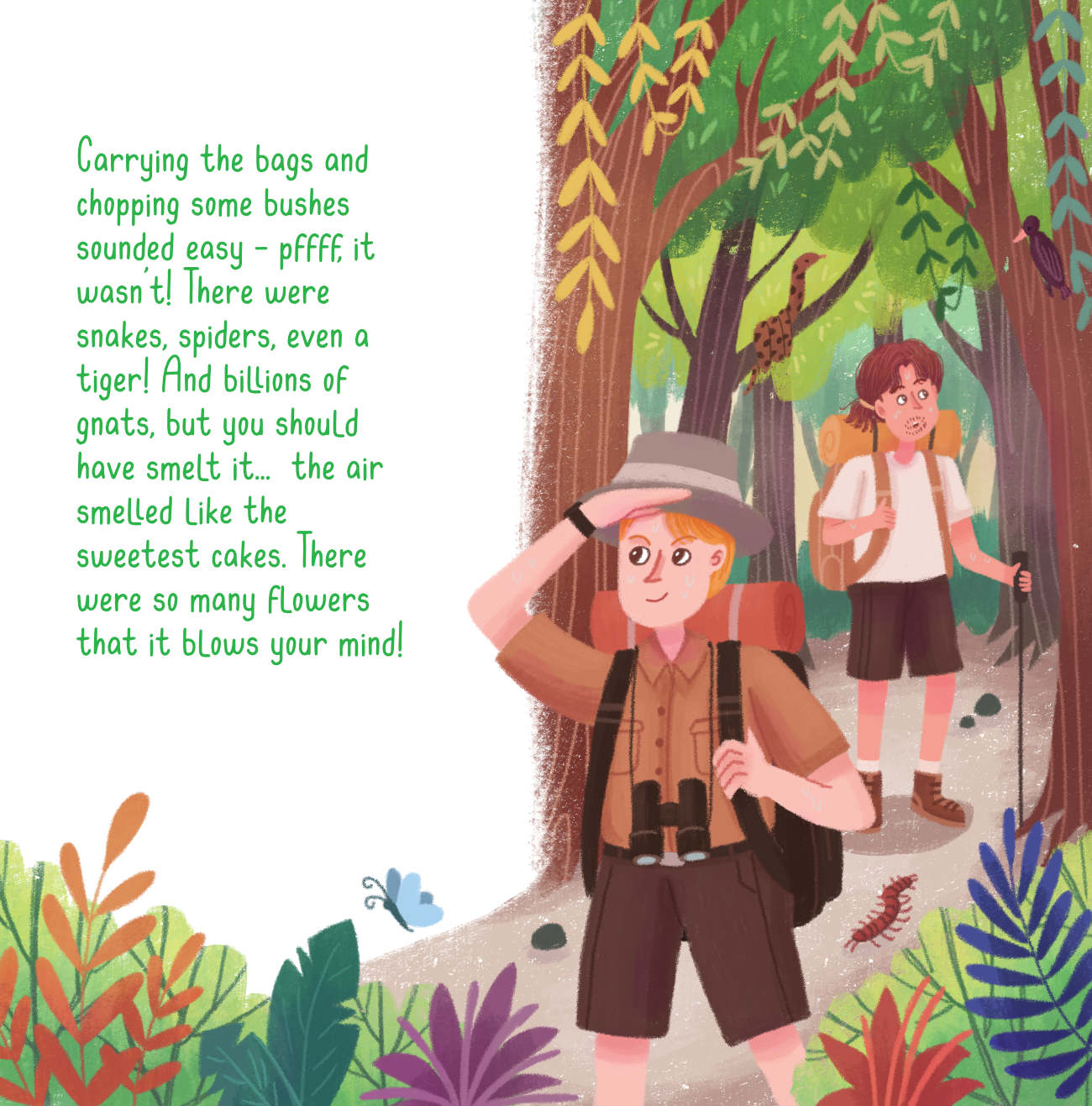
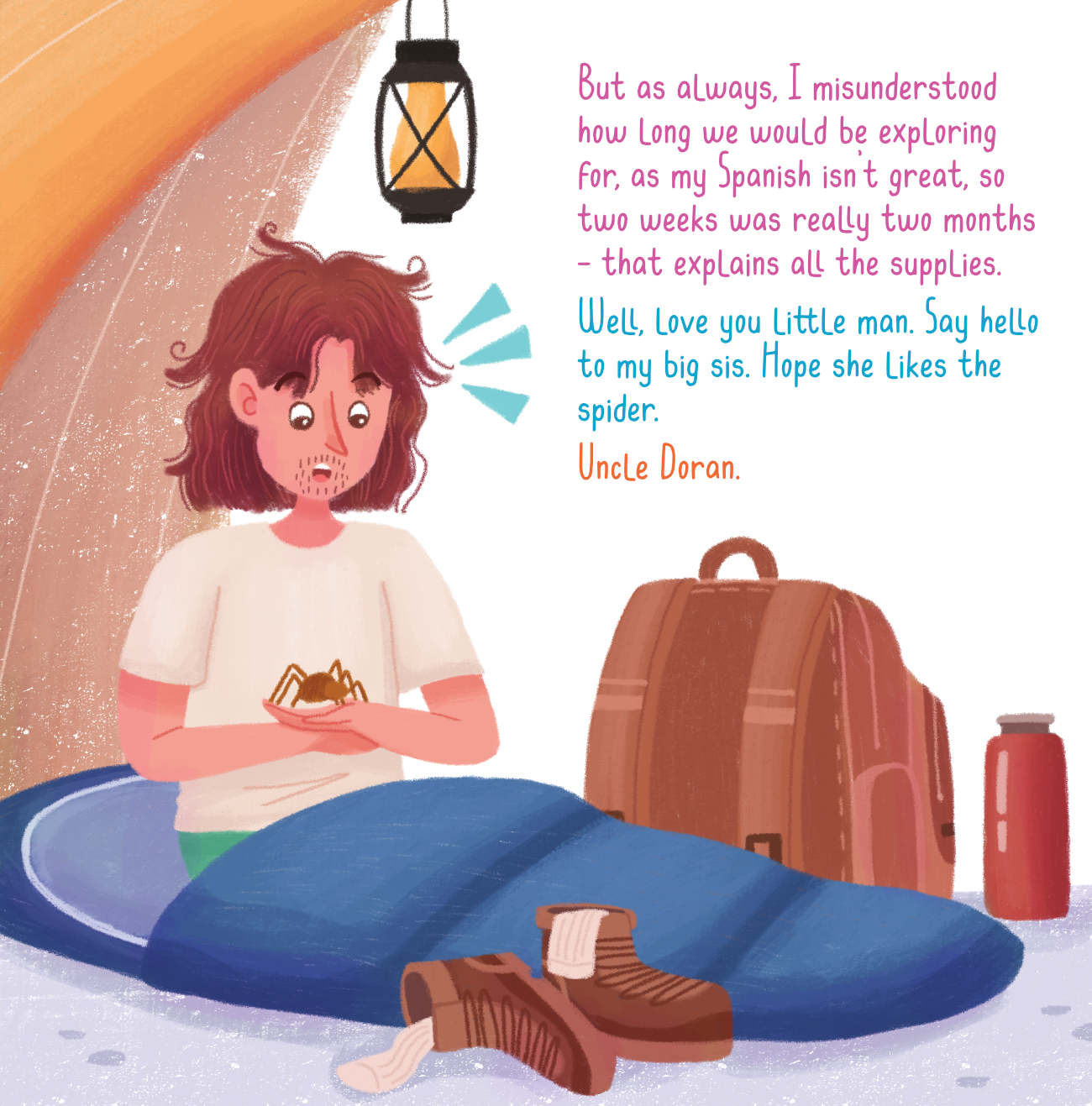
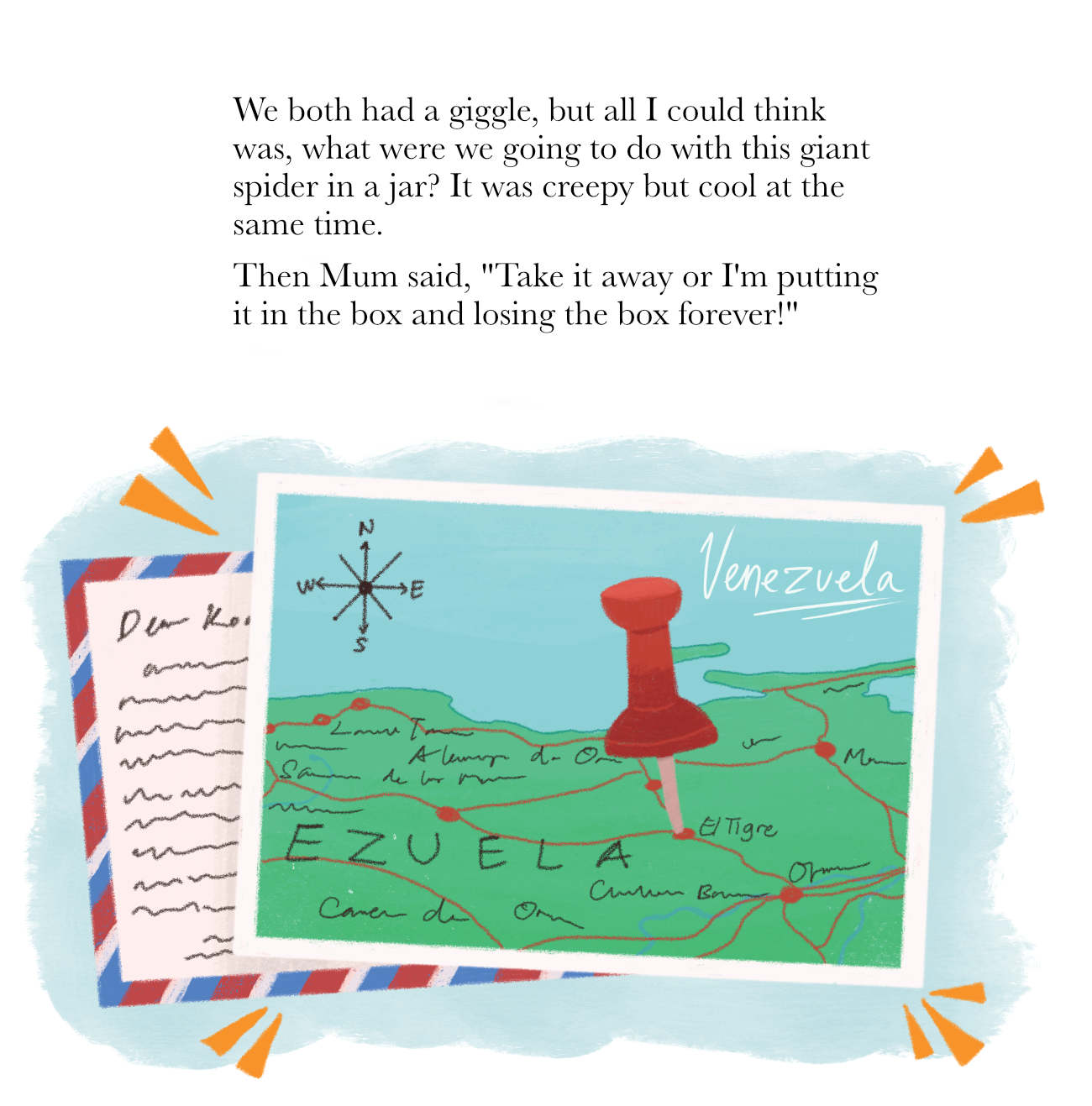
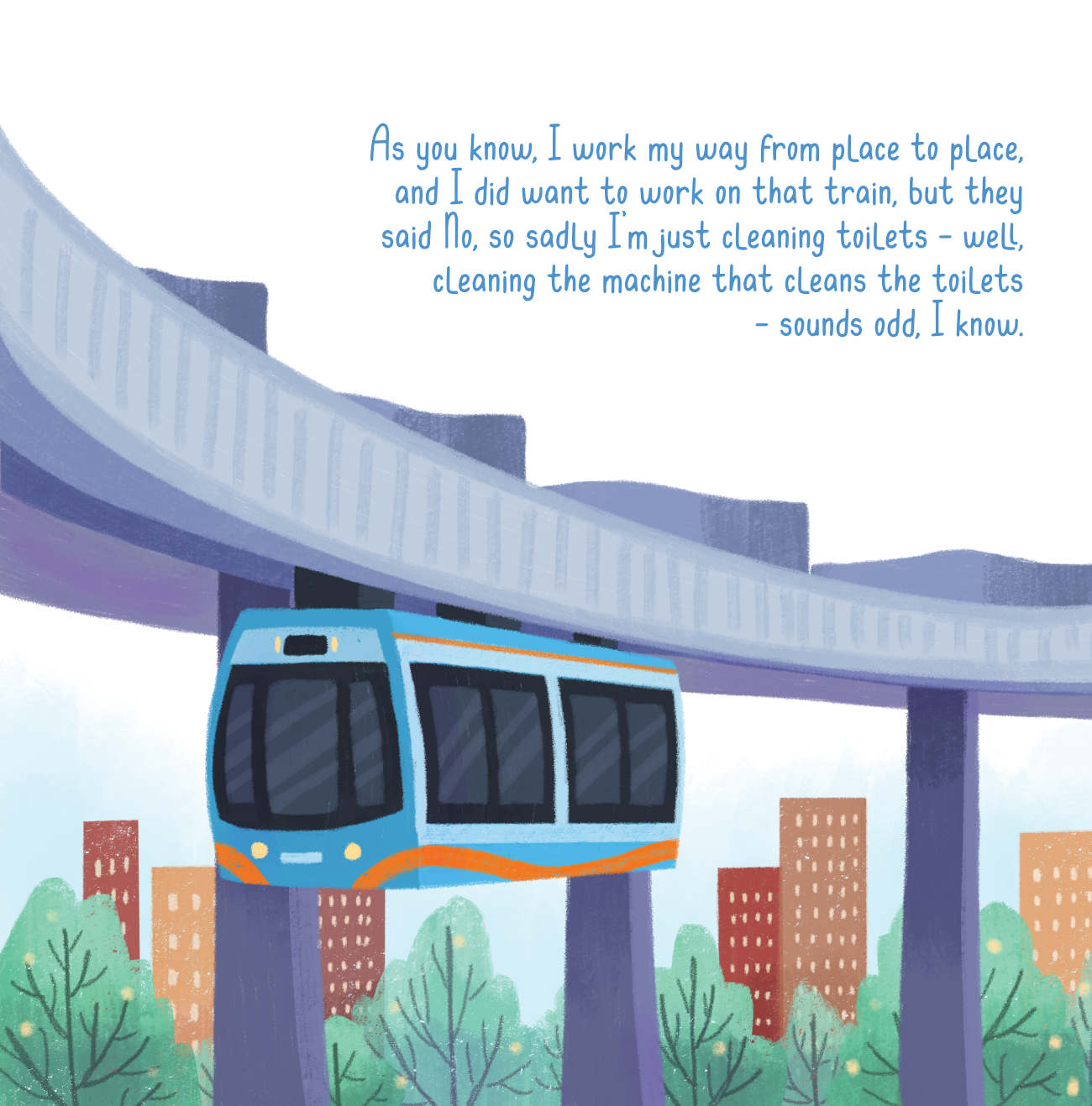
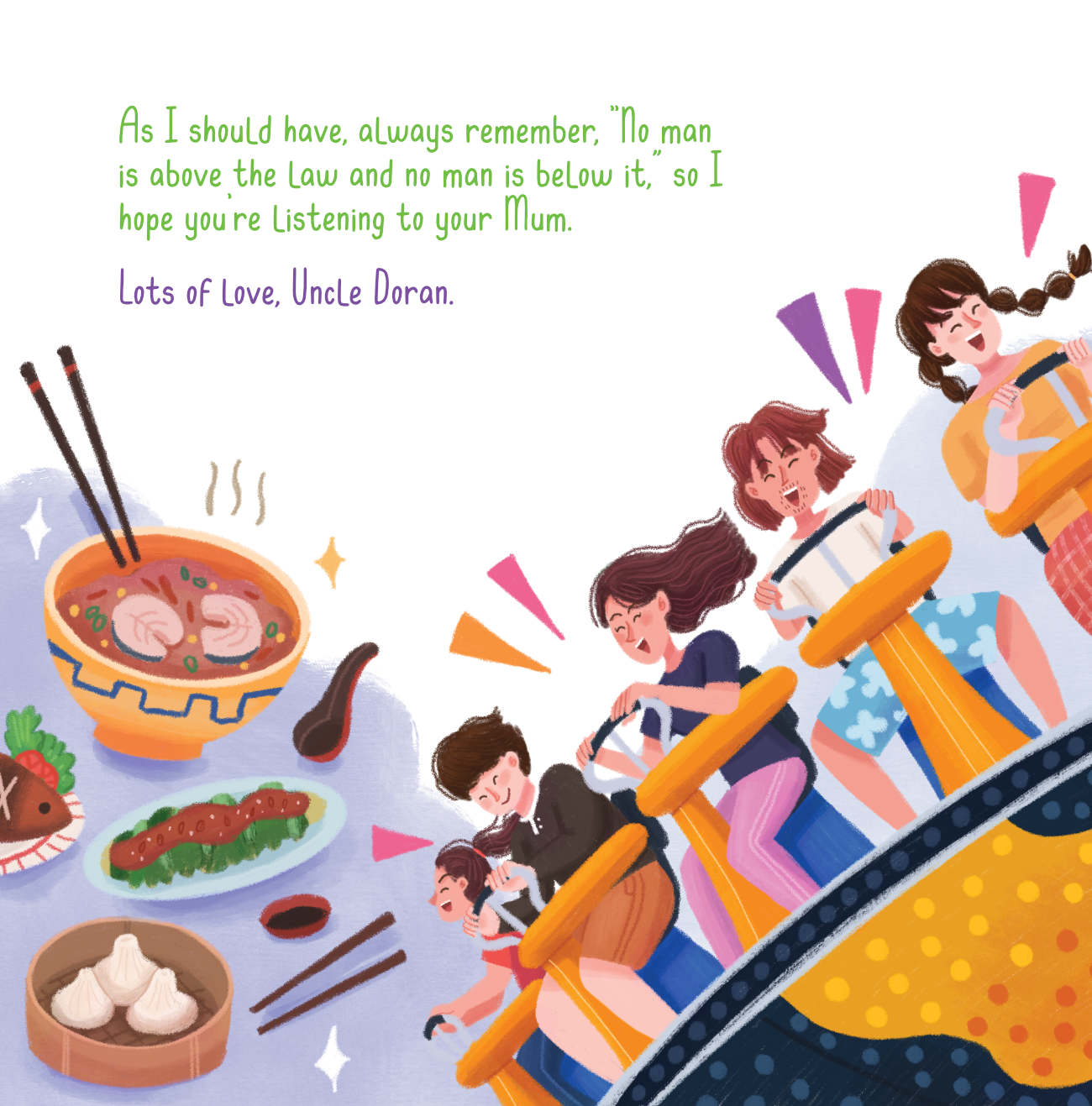
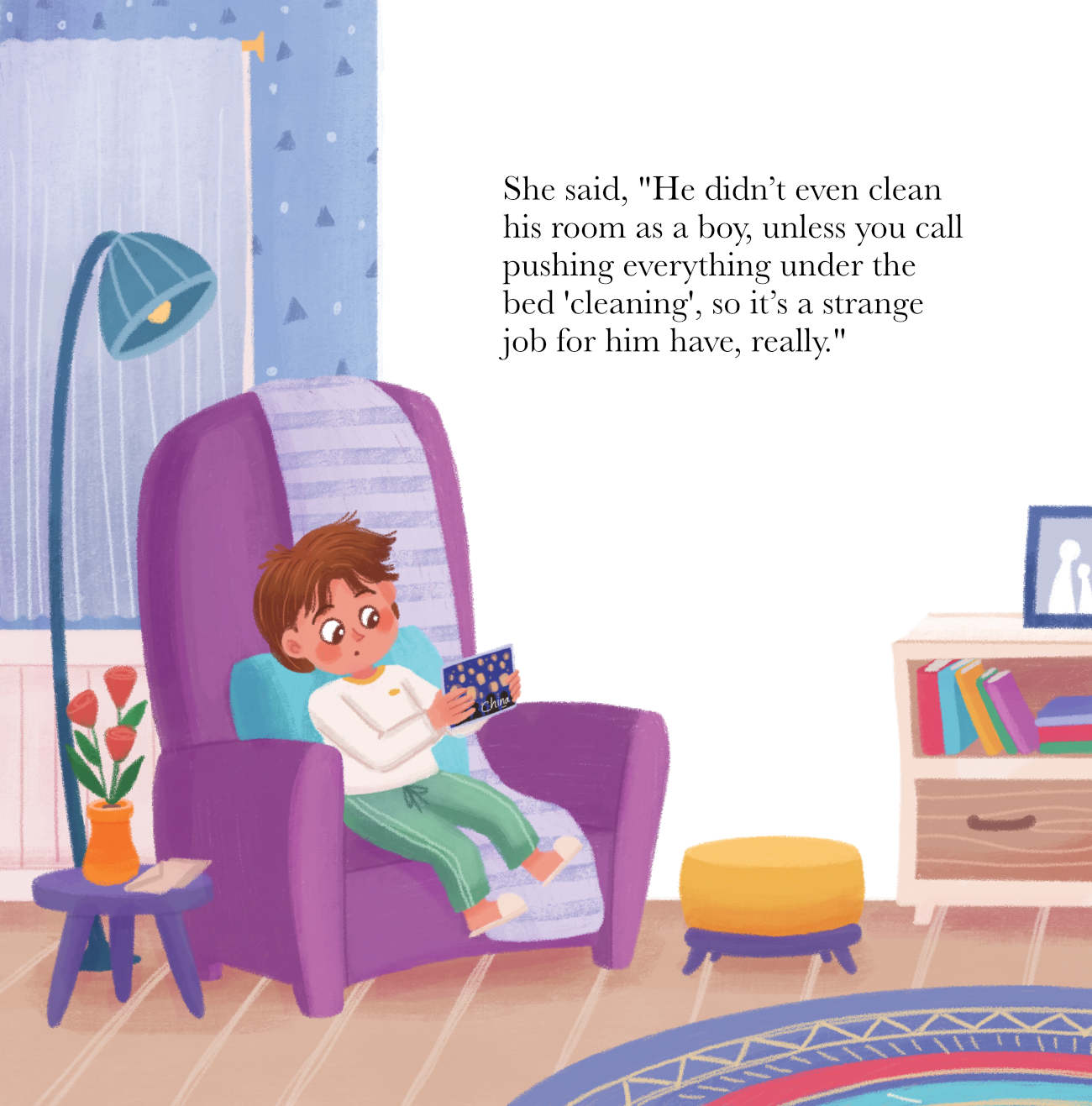
Uncle Doran travels to places like Türkiye, Sweden, Venezuela, and China, often getting into unusual situations. He gets lost, works odd jobs, and even sends Koa a giant spider in a jar. Each adventure brings a new surprise and a new lesson.
What lessons can children learn from this story?
Children learn that making mistakes is part of growing and discovering the world. The story encourages curiosity, resilience, and problem-solving. It also shows that family stories can help people feel close, even when they are far apart.
How can parents use this story at bedtime?
Parents can use this bedtime story to spark gentle conversations about travel, family, and trying new things. Children can imagine where Uncle Doran might go next or create their own postcard adventure. It works well as a cosy read-aloud before sleep.
How can teachers use this story in class?
Teachers can use the story for geography, creative writing, and literacy activities. Students might map Uncle Doran’s travels or write postcards from imaginary places. It also supports discussions about learning, mistakes, and independence.
Who are the main characters in the story?
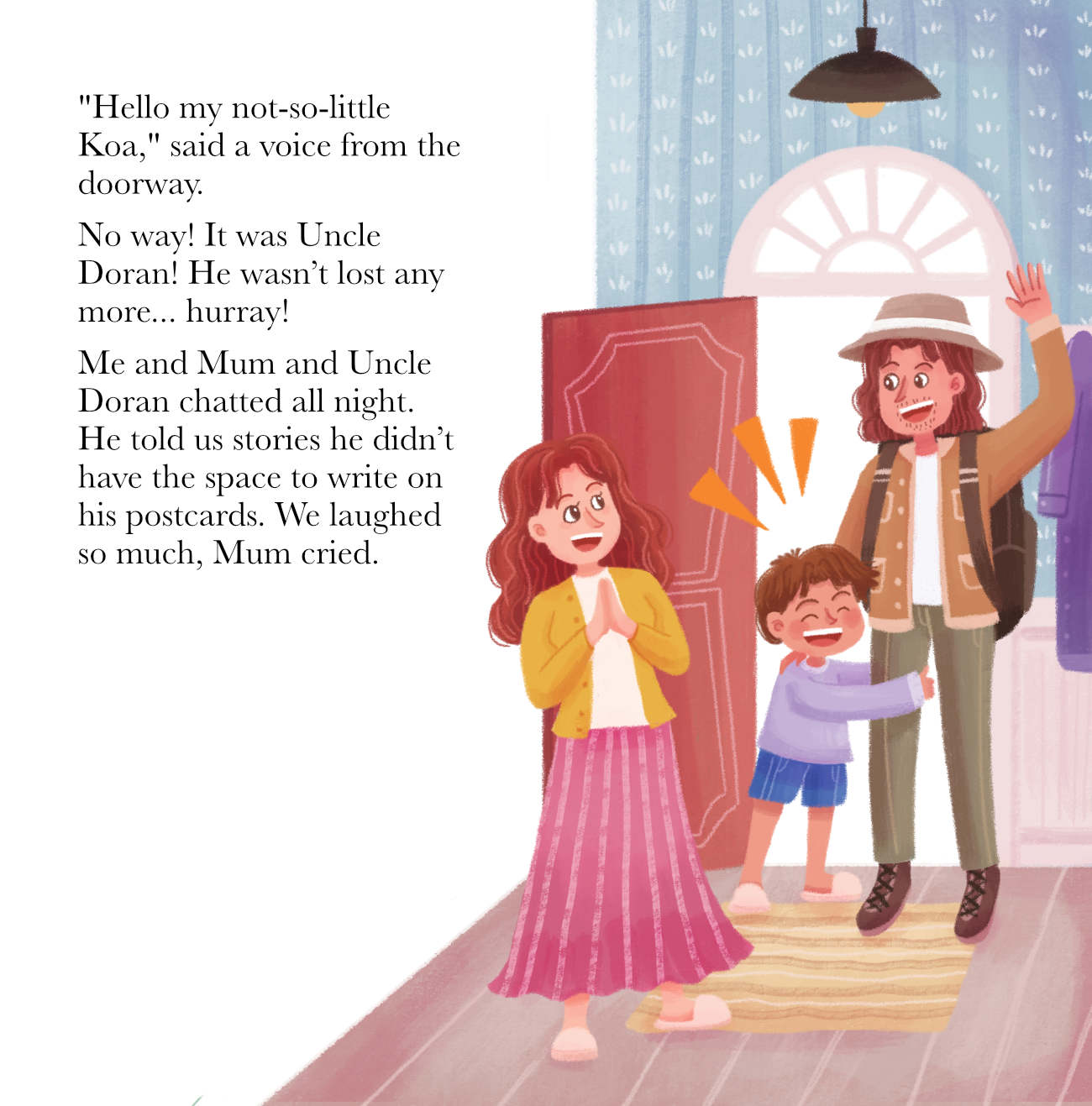
The main characters are Koa, his mum, and Uncle Doran. Koa is curious and excited by his uncle’s postcards, while Uncle Doran is adventurous, funny, and often a little lost. Koa’s mum adds warmth, humour, and family history to the story.
How does this story support early literacy?
The postcard format breaks the story into clear, engaging sections for young readers. Repeated moments, lively details, and simple sequencing help children follow the story. New words such as postcard, rainforest, and tarantula also build vocabulary in context.
What activities can children do after reading the story?
Children can draw a postcard from a place they would like to visit or write a message from an imaginary adventure. They can also map Uncle Doran’s travels or invent a new destination for him. These activities turn the story into creative learning and play.
What age group is this story best for?
This story is best suited for children aged 4–6 years. It works well as a read-aloud bedtime story and as a story for early readers with adult support. Its postcard structure, family warmth, and adventure theme make it engaging for young children.
Credits
This story was brought to life by these awesome real humans!
- Written by: David A. Miller
- Illustrated by: Clara Dee
- Music video “Two Finger Johnny”, “Hidden Wonders”, “Carefree”, “Winner Winner!”, “Ether Disco”, “Destiny Day”, “Chase Pulse Faster”, “Quasi Motion”, “Ishikari Lore”, “Fox Tale Waltz Part 1 Instrumental” and “Vivacity” by Kevin MacLeod (incompetech.com). Licensed under Creative Commons Attribution 4.0: https://creativecommons.org/licenses/by/4.0/. This music is licensed under Creative Commons: By Attribution 4.0 License.
