
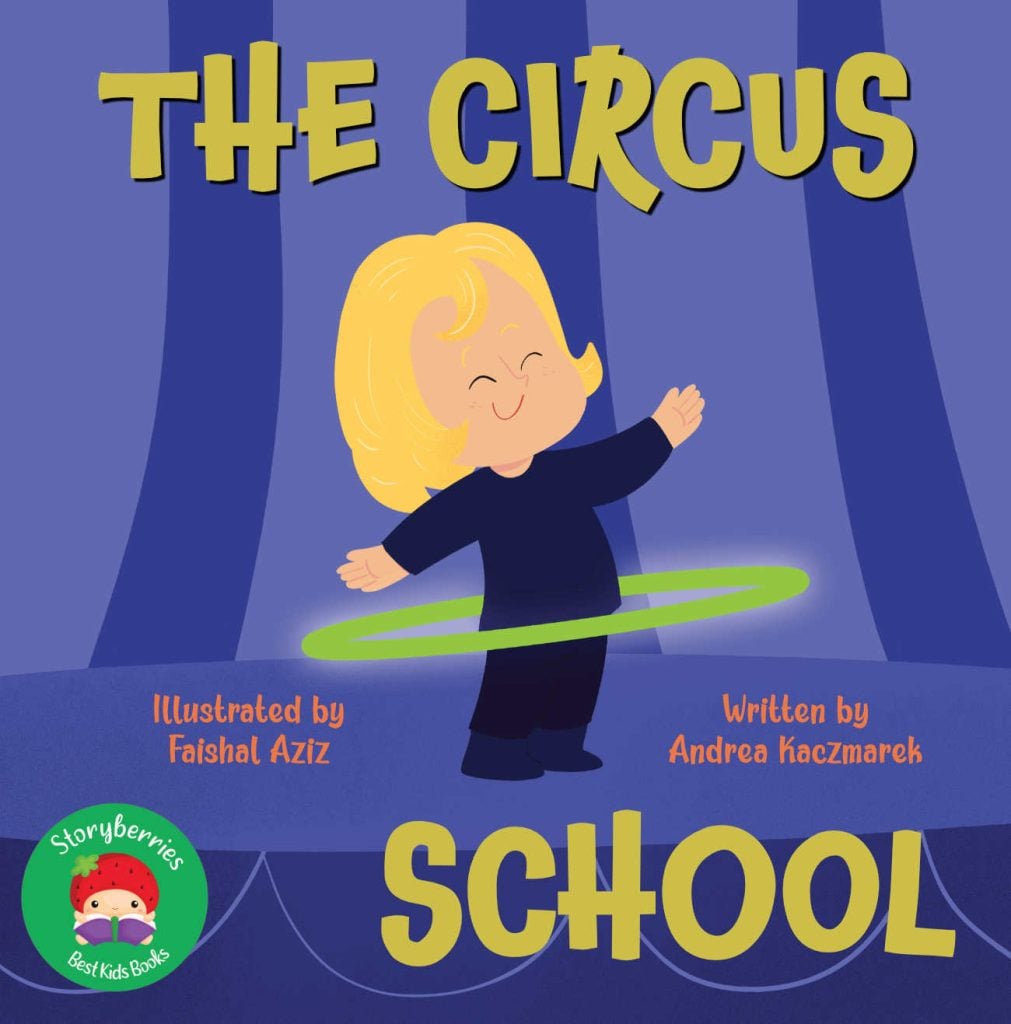
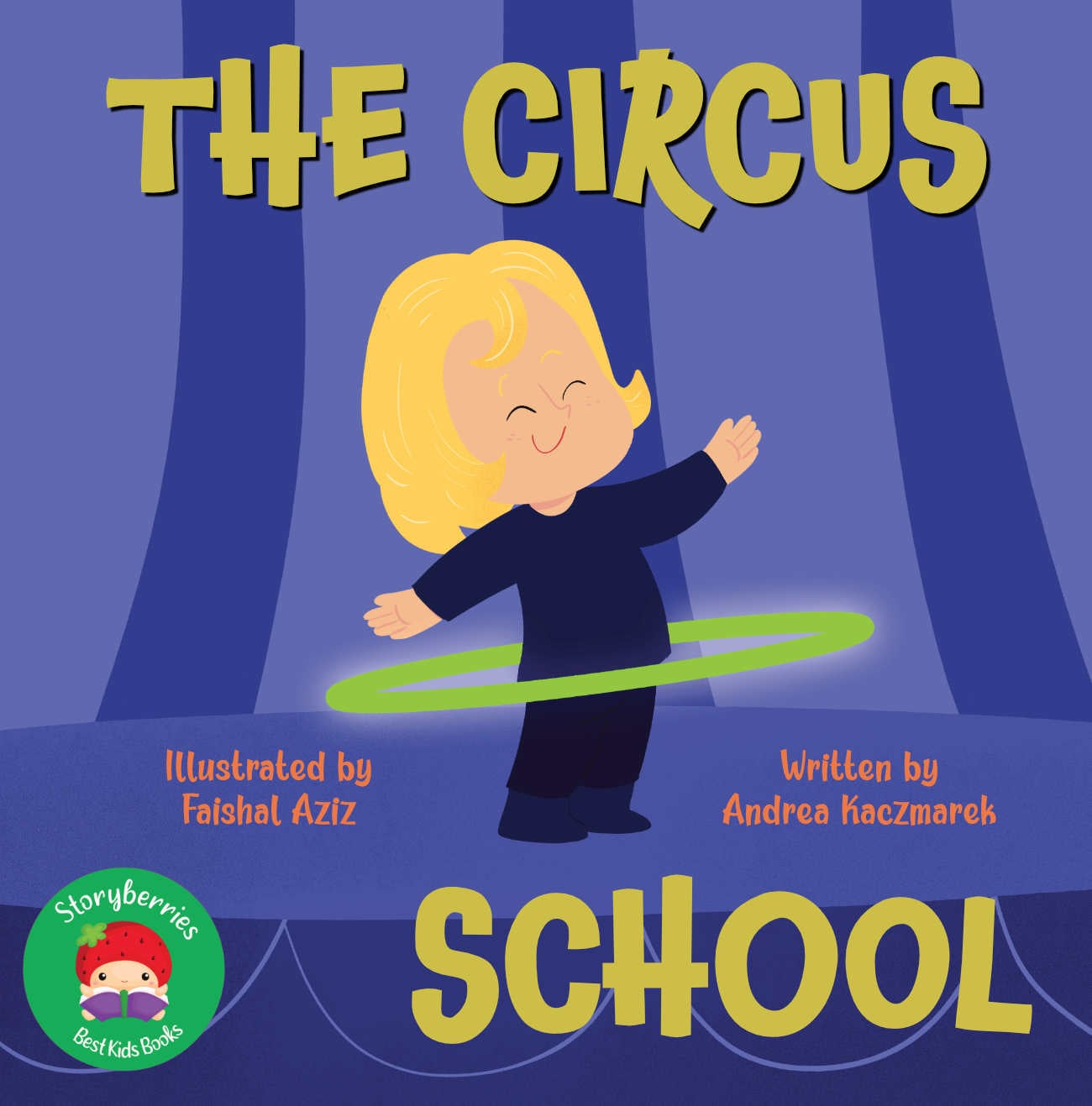
The Circus School
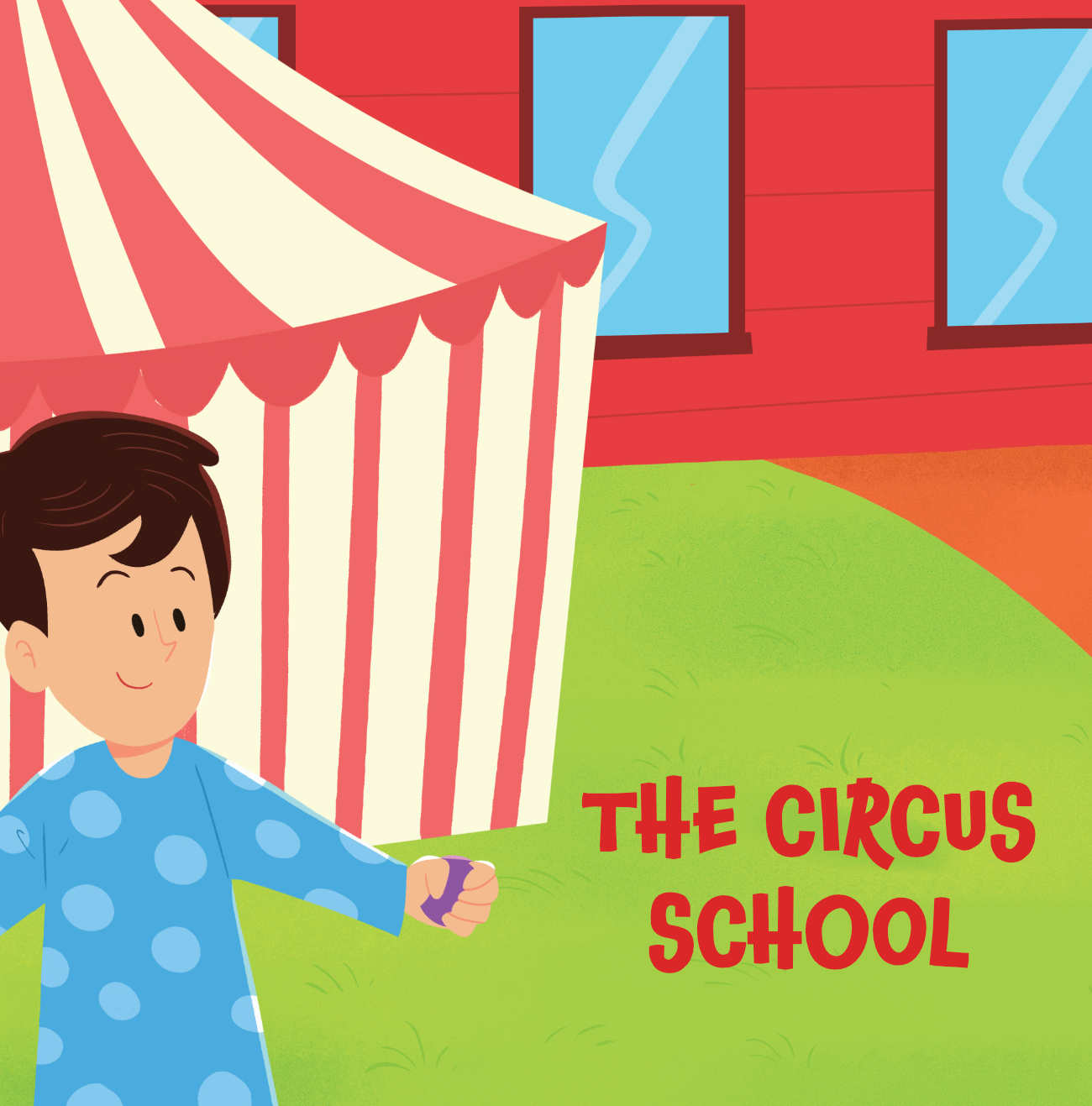
When Circus Tortellini brings its Bright Big Top to school, Leon, Mia, Emma and Noah dream of becoming circus stars. But the roles they receive are not what they expected, and a week of practice, teamwork and surprising discoveries begins in this lively short story for kids.
🍓 This story has been written and illustrated by real humans. 🍓
Read along with the animated video
Listen to the audiobook
Read ‘The Circus School’ online for free
© Storyberries. All rights reserved.
Let’s talk about ‘The Circus School’!
Vocabulary
- Ringmaster
- The person who introduces and guides the acts during a circus show.
- Big Top
- A large tent where a traveling circus performs.
- Acrobat
- A performer who uses balance, strength and skill to make special movements.
- Trapeze
- A bar hanging from ropes that circus performers swing from high above the ground.
- Unicycle
- A cycle with one wheel instead of two.
- Juggle
- To keep several objects moving through the air by throwing and catching them.
- Confetti
- Tiny pieces of colored paper thrown during a celebration.
- Tightrope
- A rope stretched high above the ground for a performer to walk across.
Context
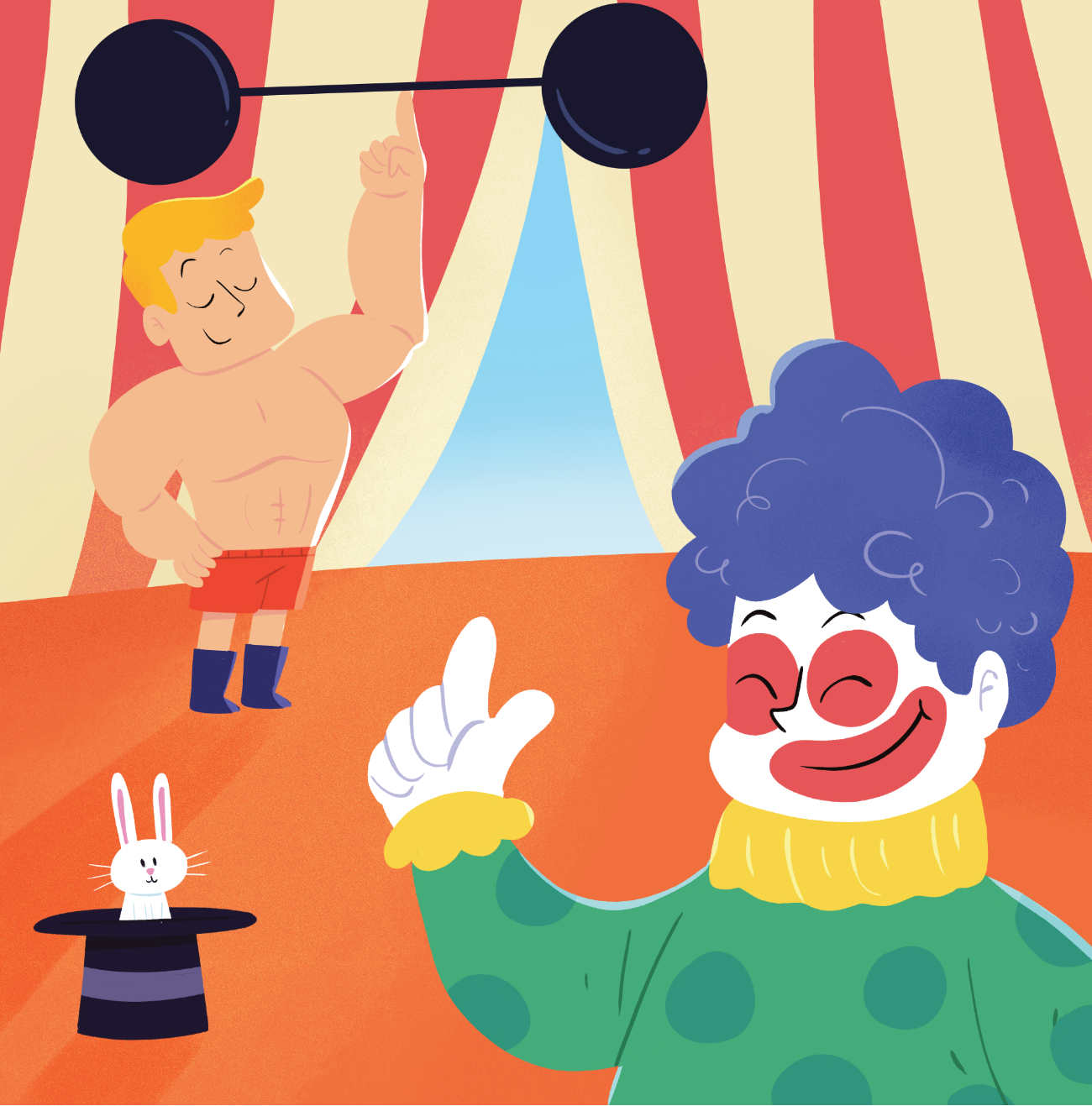
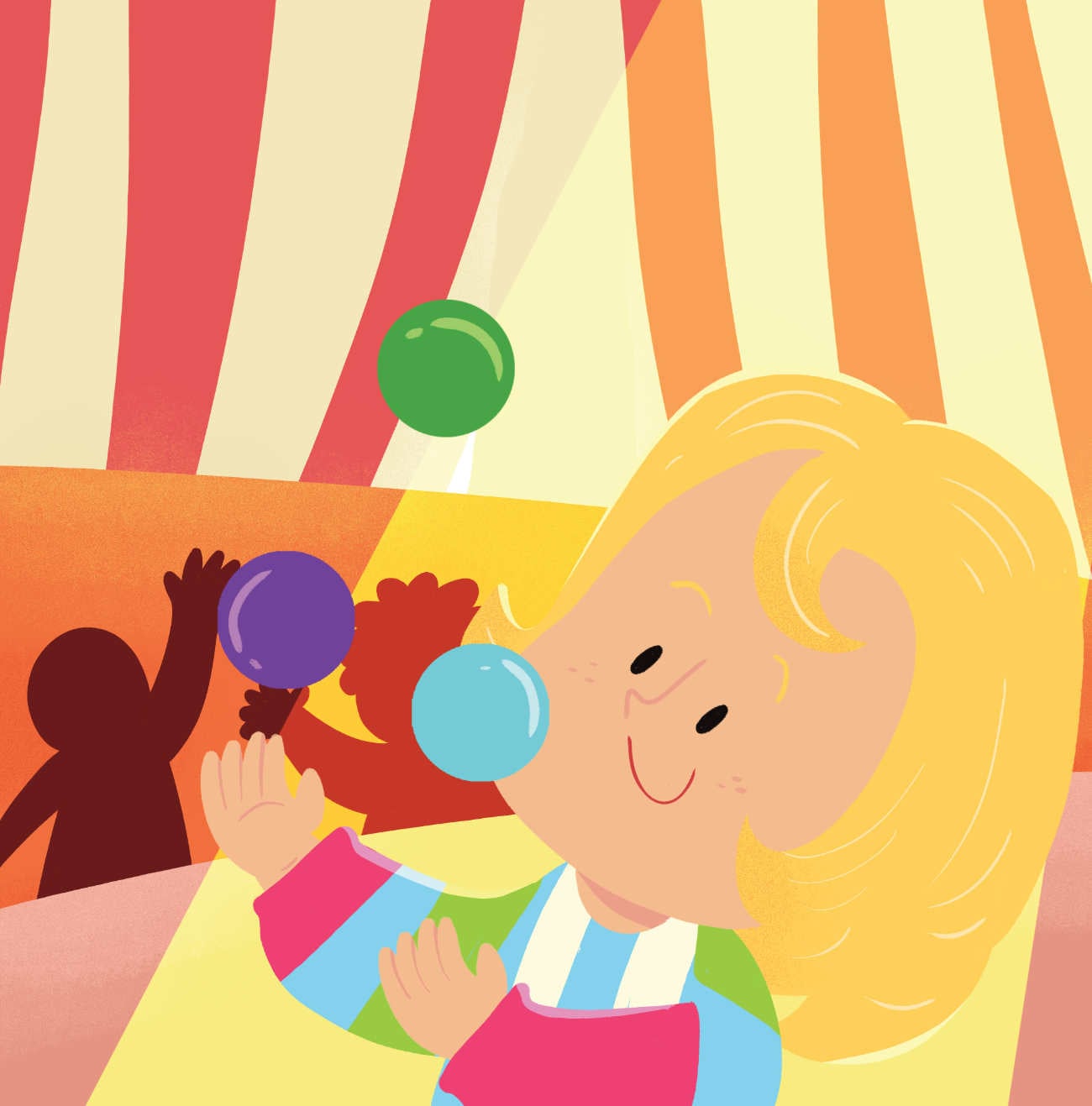
The Circus School is an illustrated story about four friends who take part in a week of circus-based learning. Its traveling circus setting introduces young readers to performers such as clowns, jugglers, acrobats and unicyclists while expanding their vocabulary.
The children initially imagine themselves performing particular acts, but their teachers identify different abilities and encourage them to try unexpected roles. This supports social-emotional learning by showing that children can discover new strengths when they remain open-minded.
The repeated practice, group preparation and final performance also encourage discussion about perseverance, cooperation and confidence. Children learn that success grows through effort, teamwork and a willingness to try something new.
Discussion questions
Spark a conversation with your child and connect the story to real-life lessons.
Learning
- Why did Franco ask the children to try many different circus activities before choosing their groups?
- What new skill did each of the four friends learn during Circus School?
- How can trying something unfamiliar help you discover what you are good at?
Teamwork
- How did the children work together to make the Grand Circus Show a success?
- Why did the clowns, jugglers, cyclists and other performers all need one another?
- What could happen during a circus performance if the performers did not listen to or help their teammates?
Working Hard
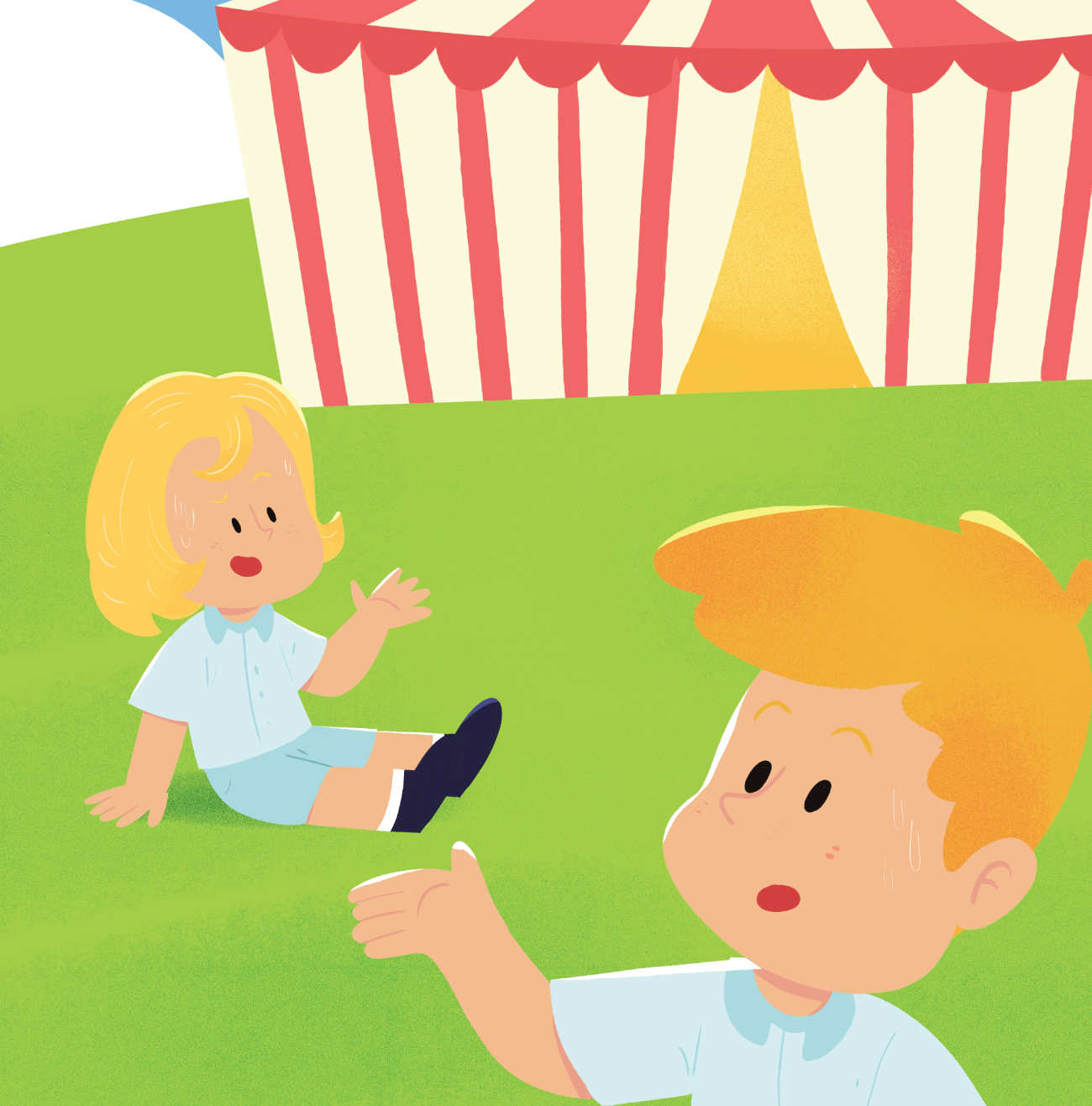
- Why were the children’s arms and legs aching after their first days at Circus School?
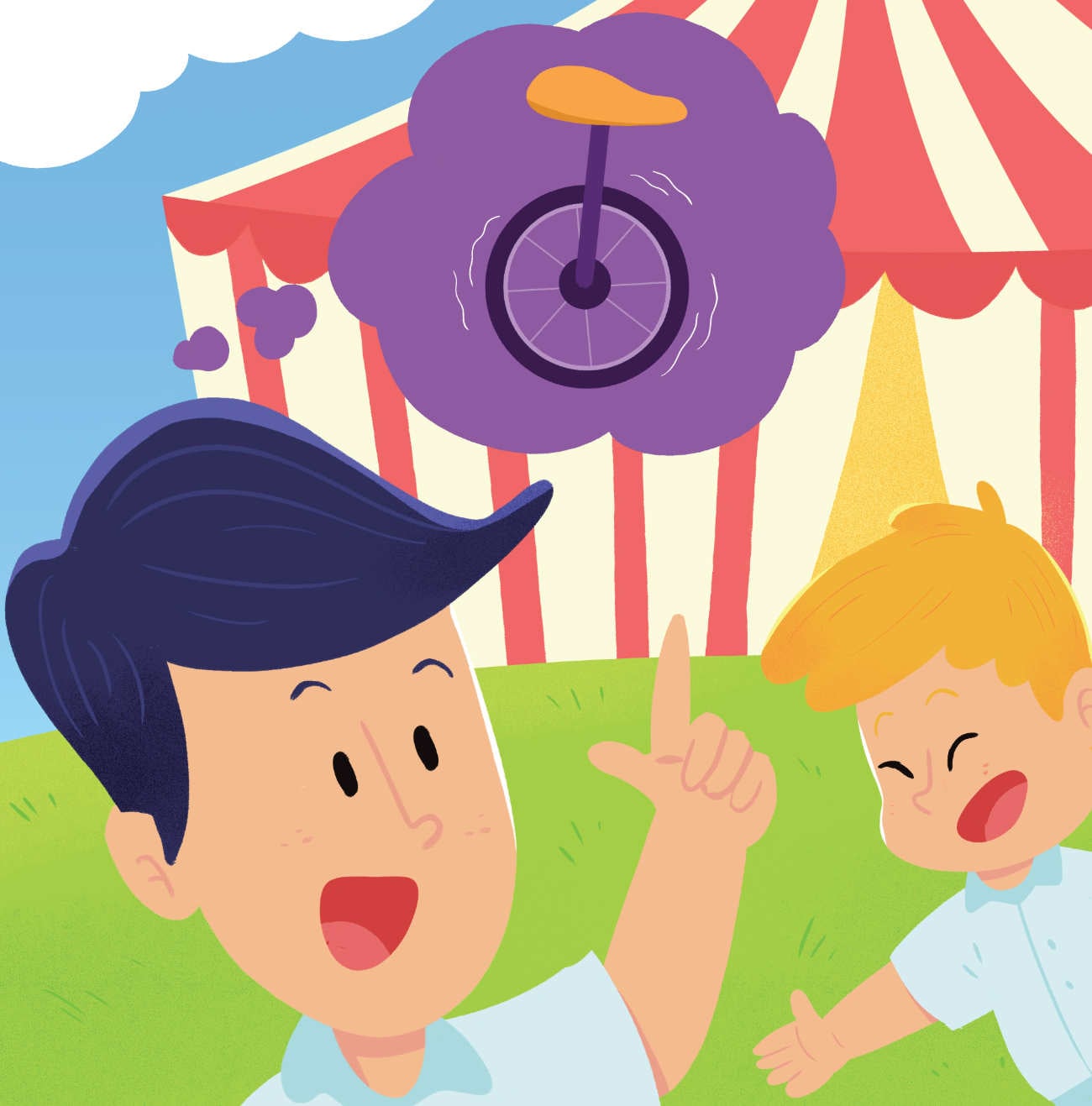
- How did practice help Noah change from wobbling on his unicycle to riding up and down ramps?
- Tell us about something that became easier for you after you practiced it.
Success
- How did Leon, Mia, Noah and Emma feel when the audience enjoyed their performance?
- Was success only about performing perfectly, or were mistakes also part of the fun? Why?
- What do you think the friends learned about themselves by the end of Circus Week?
Buy the paperback

Love the story? Own the book
Visit the Storyberries Bookstore
PS: Your support means the world to us! When you make a purchase through an Amazon link, we may earn a small commission at no additional cost to you. This helps us spread the magic of free stories to children across the globe. Thank you for being a part of the Storyberries family!
FAQs about ‘The Circus School’
What is ‘The Circus School’ about?
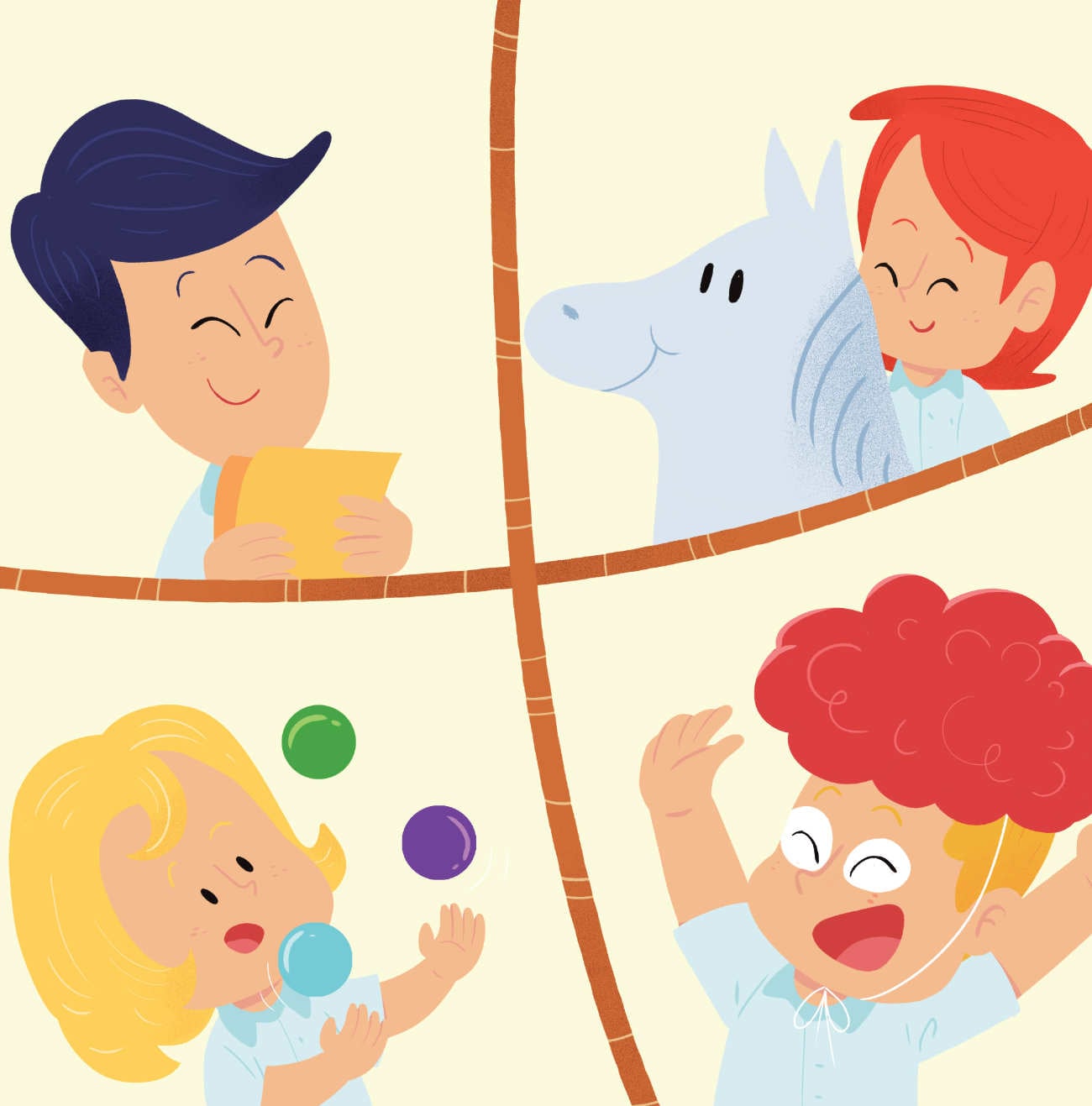
The Circus School is a children’s story about Leon, Mia, Noah and Emma, whose school is visited by the traveling Circus Tortellini. The children spend a week learning circus skills and preparing for a Grand Circus Show. Along the way, they discover that their best talents are not always the ones they expected. It is a lively story about learning, teamwork and trying new things.
What are the main themes of ‘The Circus School’?
The story explores learning, perseverance, teamwork, confidence and discovering unexpected abilities. Each child must practice a new skill and contribute to the group performance. Readers can find more kids’ books about learning and kids’ books about teamwork at Storyberries. These themes make the story useful for both enjoyment and social-emotional learning.
What happens when Circus Tortellini visits the school?
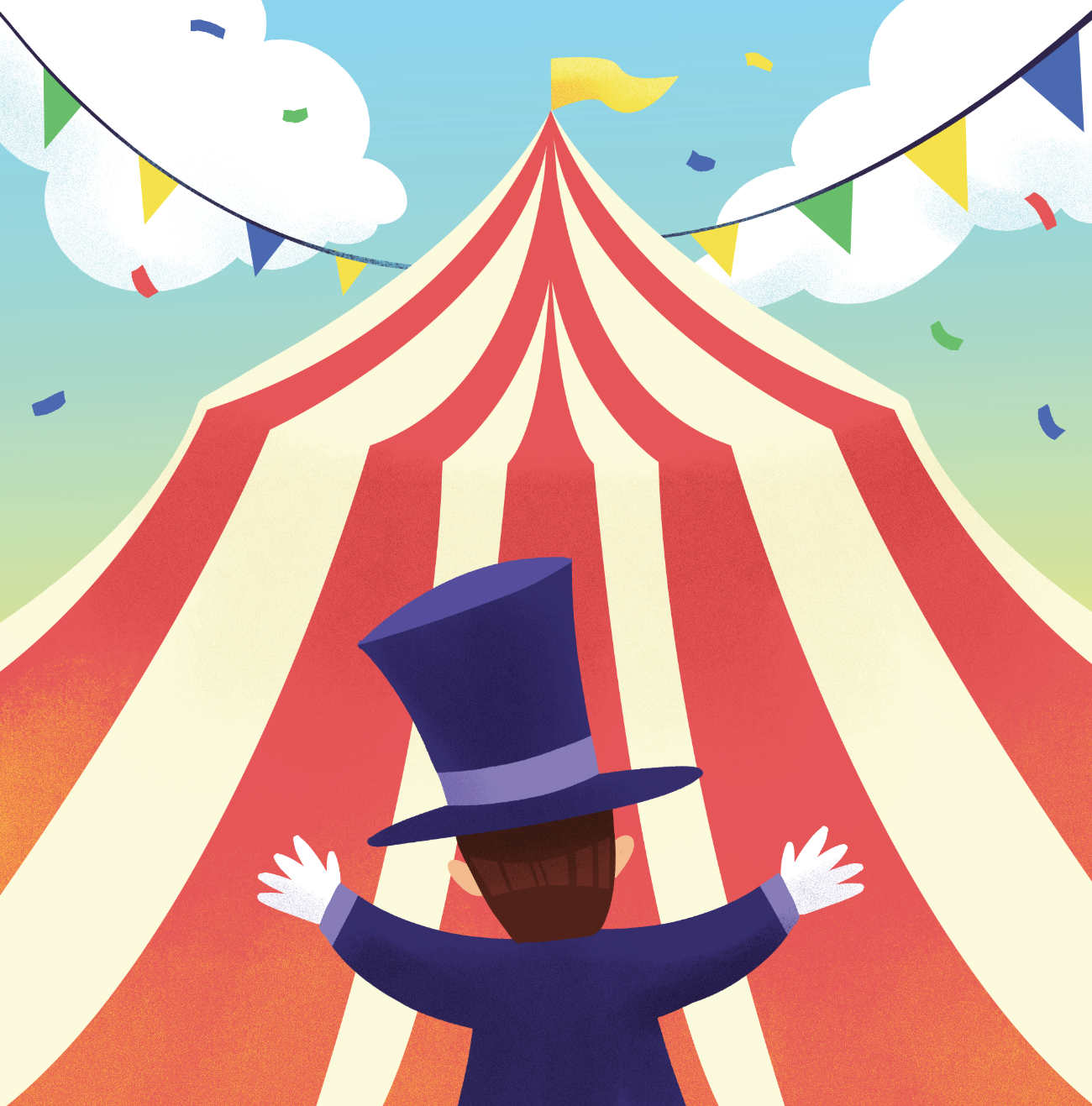
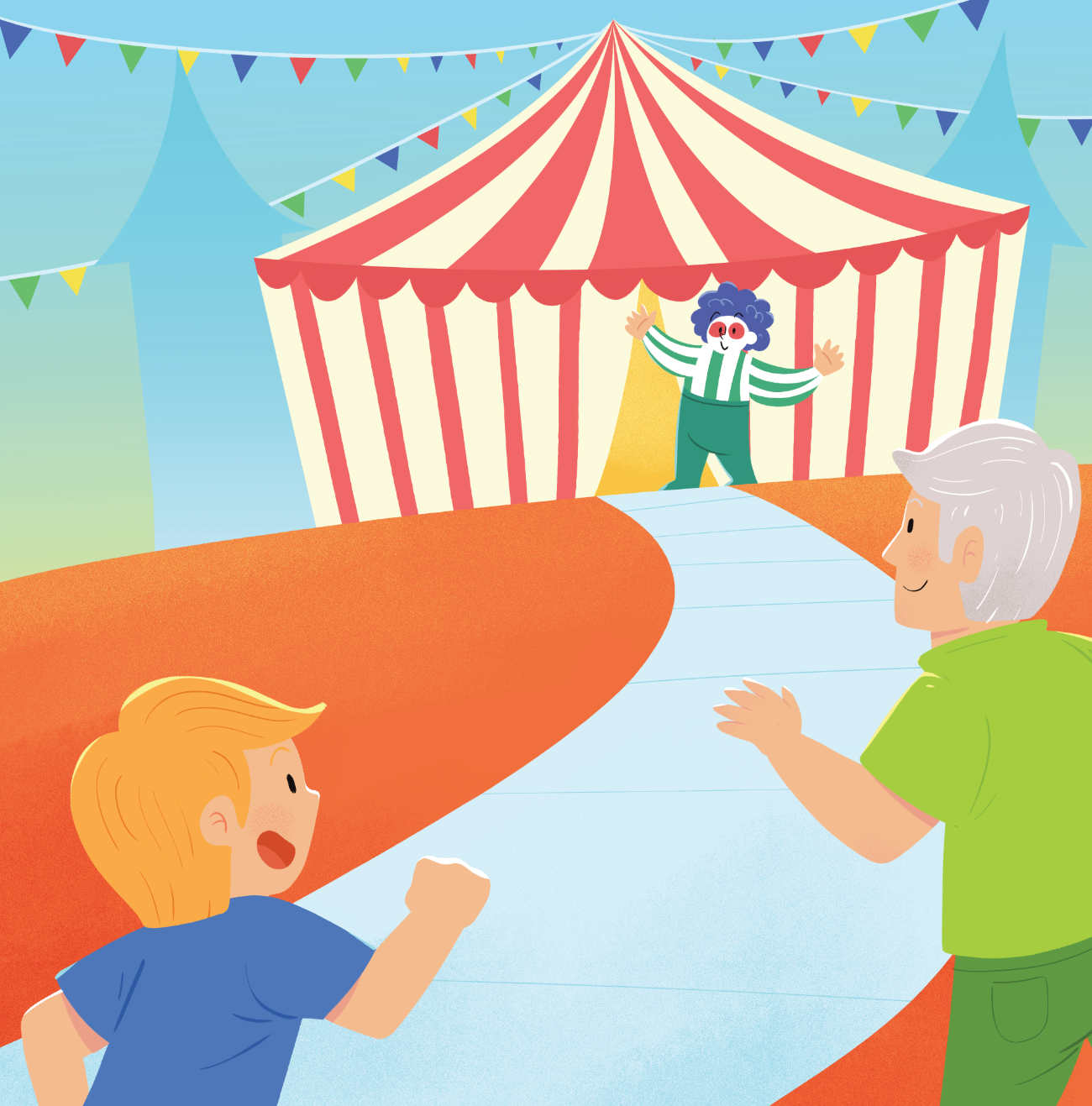
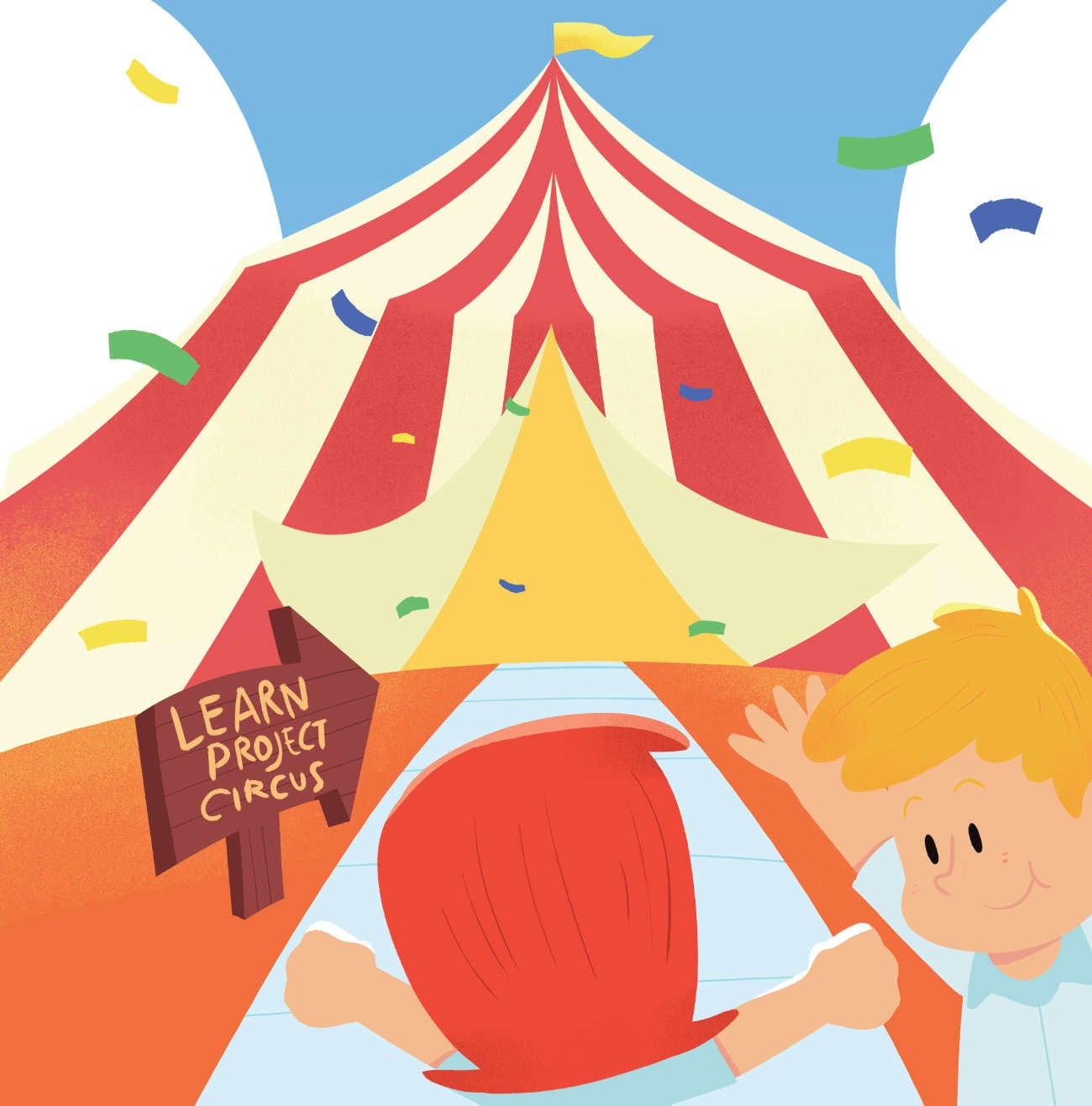
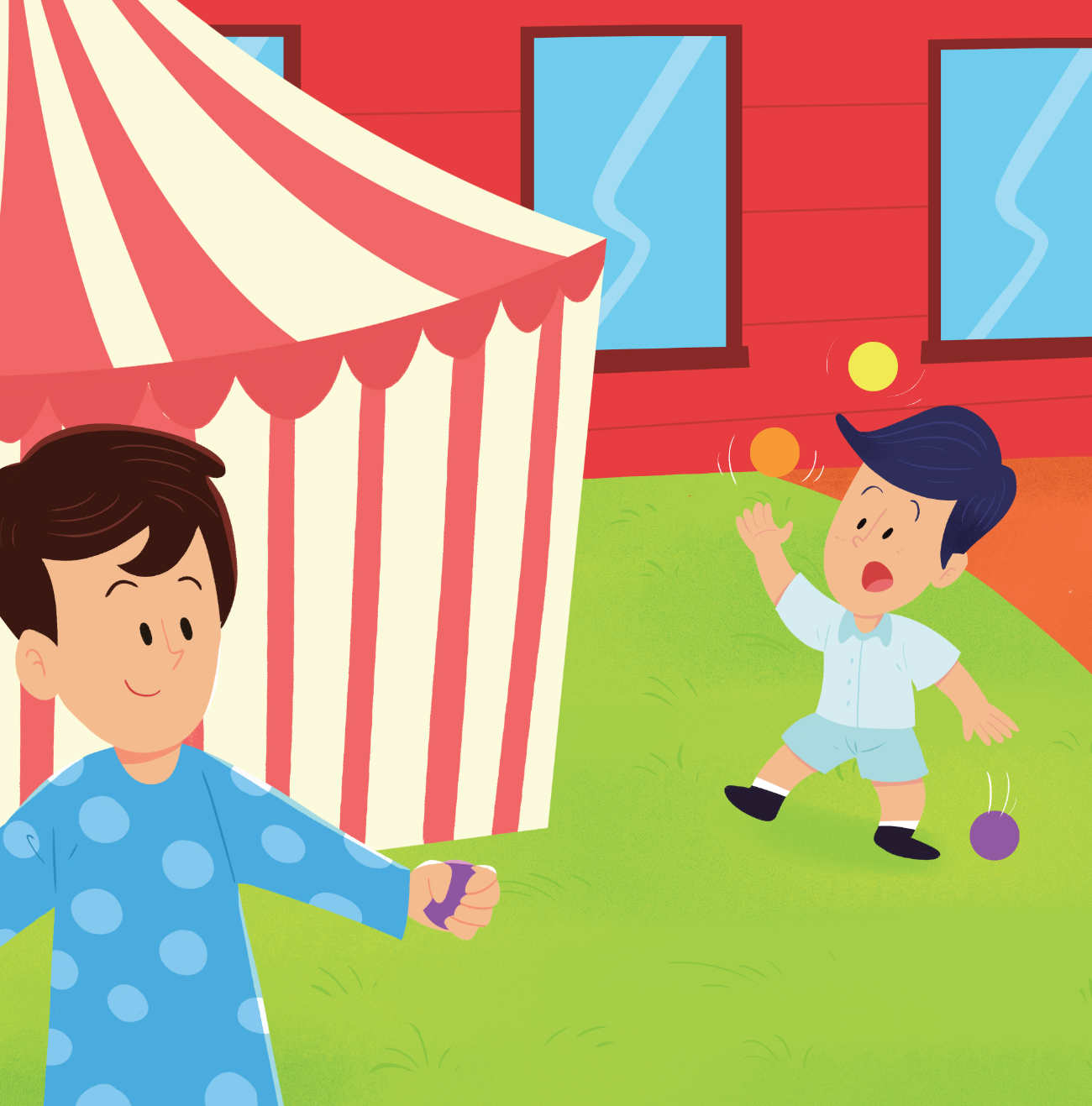
Circus Tortellini puts up its Bright Big Top beside the school and begins with an exciting performance. The performers then watch the children try balancing, climbing, skipping, bouncing and other activities. Based on what they observe, they place each child in a suitable circus group. The children spend the rest of the week practicing for their own show.
What lesson does ‘The Circus School’ teach children?
The story teaches children that learning something impressive takes time and practice. It also shows that a child may discover a talent they did not expect to have. Mistakes, wobbles and dropped objects are treated as normal parts of learning rather than reasons to give up. Families can explore more kids’ books about working hard on Storyberries.
How can parents use this story at home?
Parents can read the story before bedtime and ask children which circus skill they would most like to try. They might also discuss a time when the child learned something difficult through practice. A simple home circus can be created with scarves for juggling, a line of tape for balancing or a pretend ticket booth. Activities should be adapted to the child’s age and supervised carefully.
How can teachers use ‘The Circus School’ in the classroom?
Teachers can use the story to introduce vocabulary connected with circuses, movement and performance. Children could match performers to their equipment, design circus posters or write about the act they would choose. The story also supports classroom conversations about cooperation and giving everyone an important role. More stories about school are available at Storyberries.
How do the four friends change during the story?
At first, Leon, Mia, Noah and Emma have strong ideas about which circus acts they want to perform. Their assigned roles are different, and some skills initially feel difficult or confusing. Through practice, each friend becomes more capable and confident. By the end, they are proud of their performances and eager to keep learning together.
How can the story support early literacy?
The story introduces descriptive action words such as wobble, balance, bounce, twist and juggle. Adults can pause to explain these words or invite children to act them out. The repeated circus vocabulary helps children connect new words with memorable actions and images. It is especially suitable for children who enjoy illustrated bedtime stories.
What circus activities can children try after reading?
Children can practice tossing and catching lightweight scarves, balancing along a line on the floor or creating a funny clown walk. They could also make paper tickets, decorate a circus hat or invent names for their own circus acts. A family or classroom might finish by presenting a short pretend circus show. All physical activities should be simple, age-appropriate and supervised by an adult.
What age group is ‘The Circus School’ suitable for?
The Circus School is recommended for children aged 4–6 years. Younger children may enjoy hearing it read aloud, while early readers can explore the story with adult support. The circus setting, humor and energetic action are likely to appeal to children beginning school. Families can discover more books for early readers aged 4–6 at Storyberries.
Credits
This story was brought to life by these awesome real humans!
- Written by: Andrea Kaczmarek
- Illustrated by: Faishal Aziz
- Music video from “Gold Rush” Kevin MacLeod (incompetech.com), “Batty McFaddin” Kevin MacLeod (incompetech.com), “Breaktime” Kevin MacLeod (incompetech.com), “Merry Go” Kevin MacLeod (incompetech.com), “Wagon Wheel” Kevin MacLeod (incompetech.com). Licensed under Creative Commons: By Attribution 4.0 License, http://creativecommons.org/licenses/by/4.0/
