

The Three Billy Goats Gruff
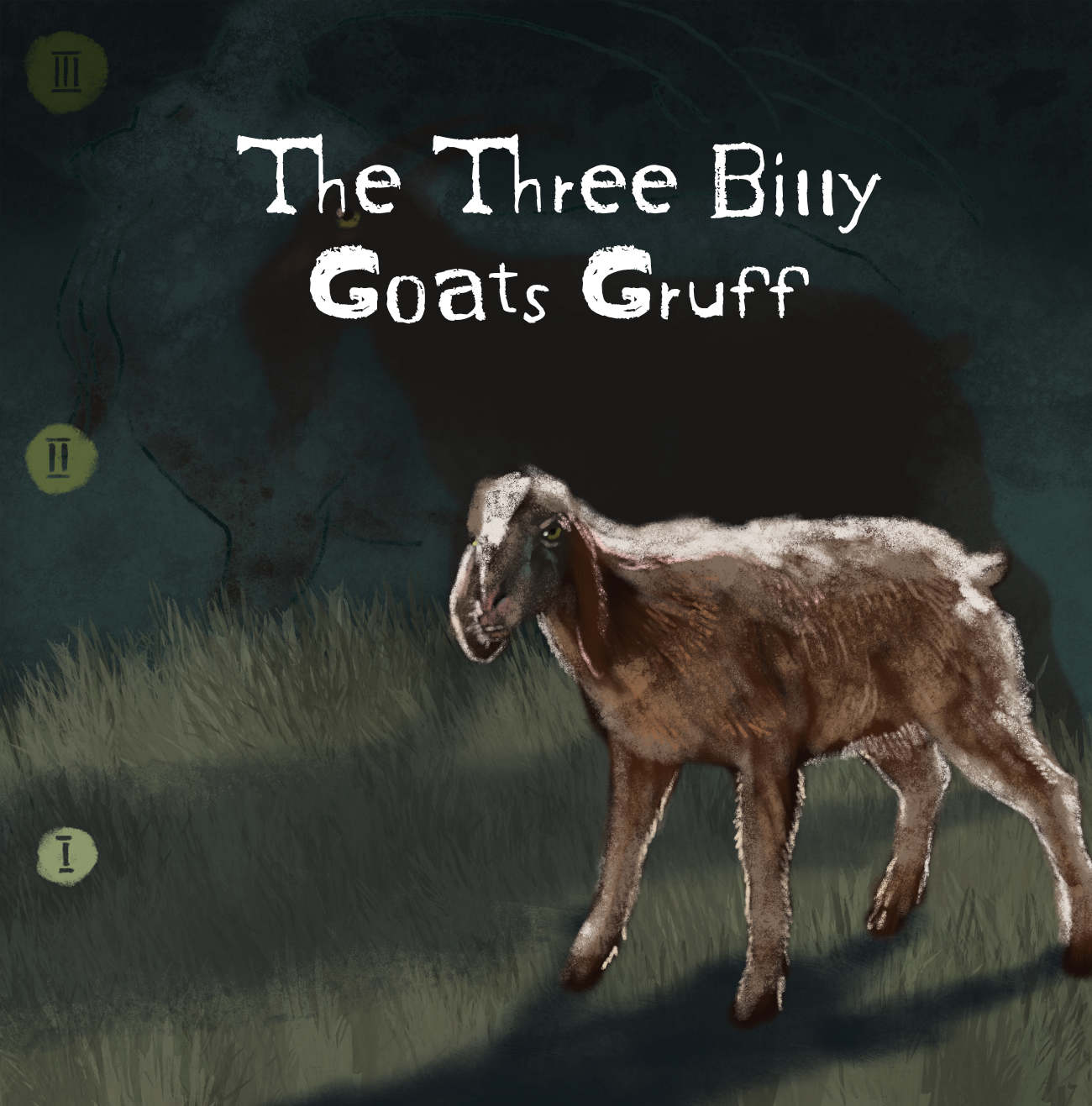
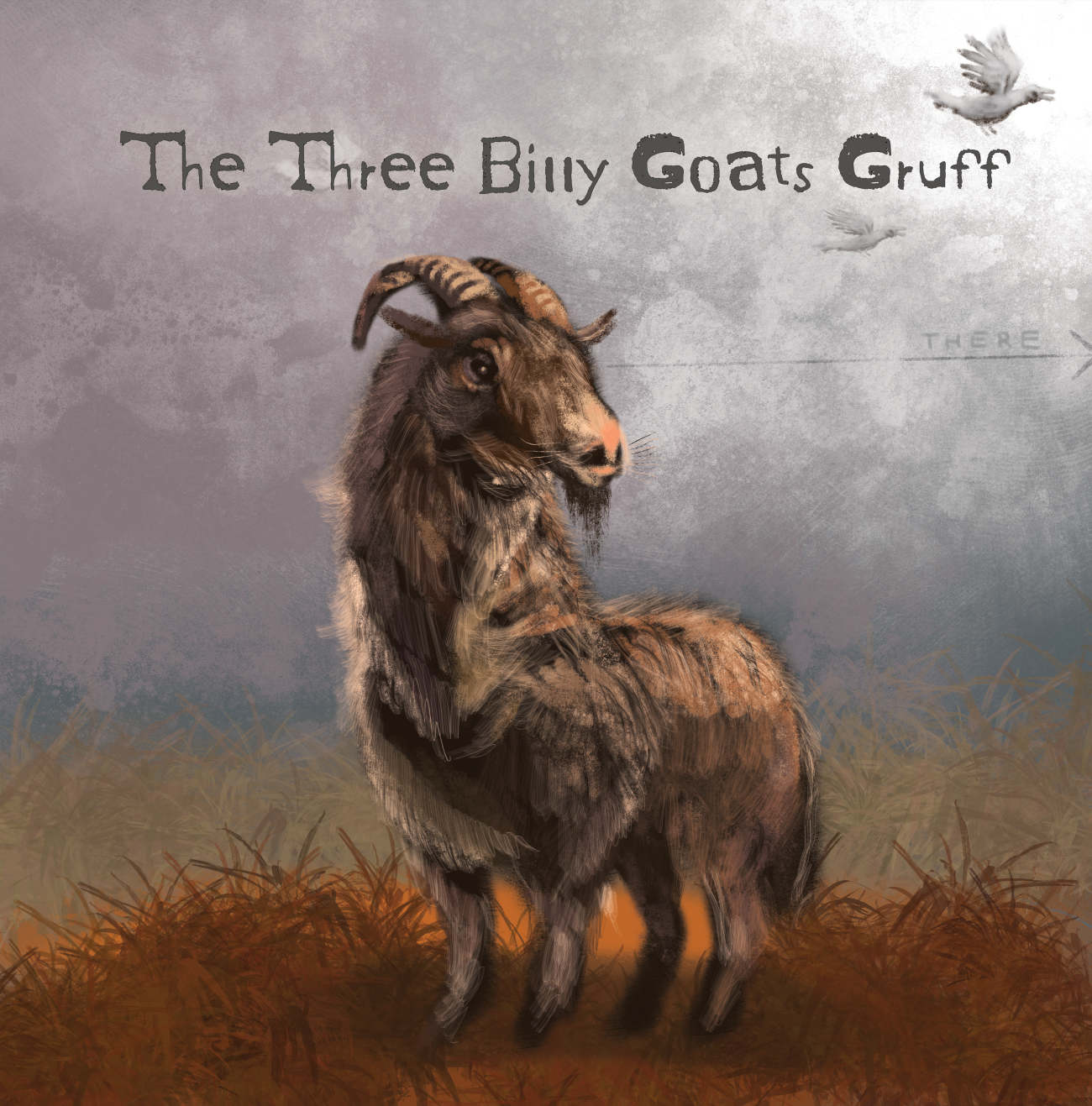
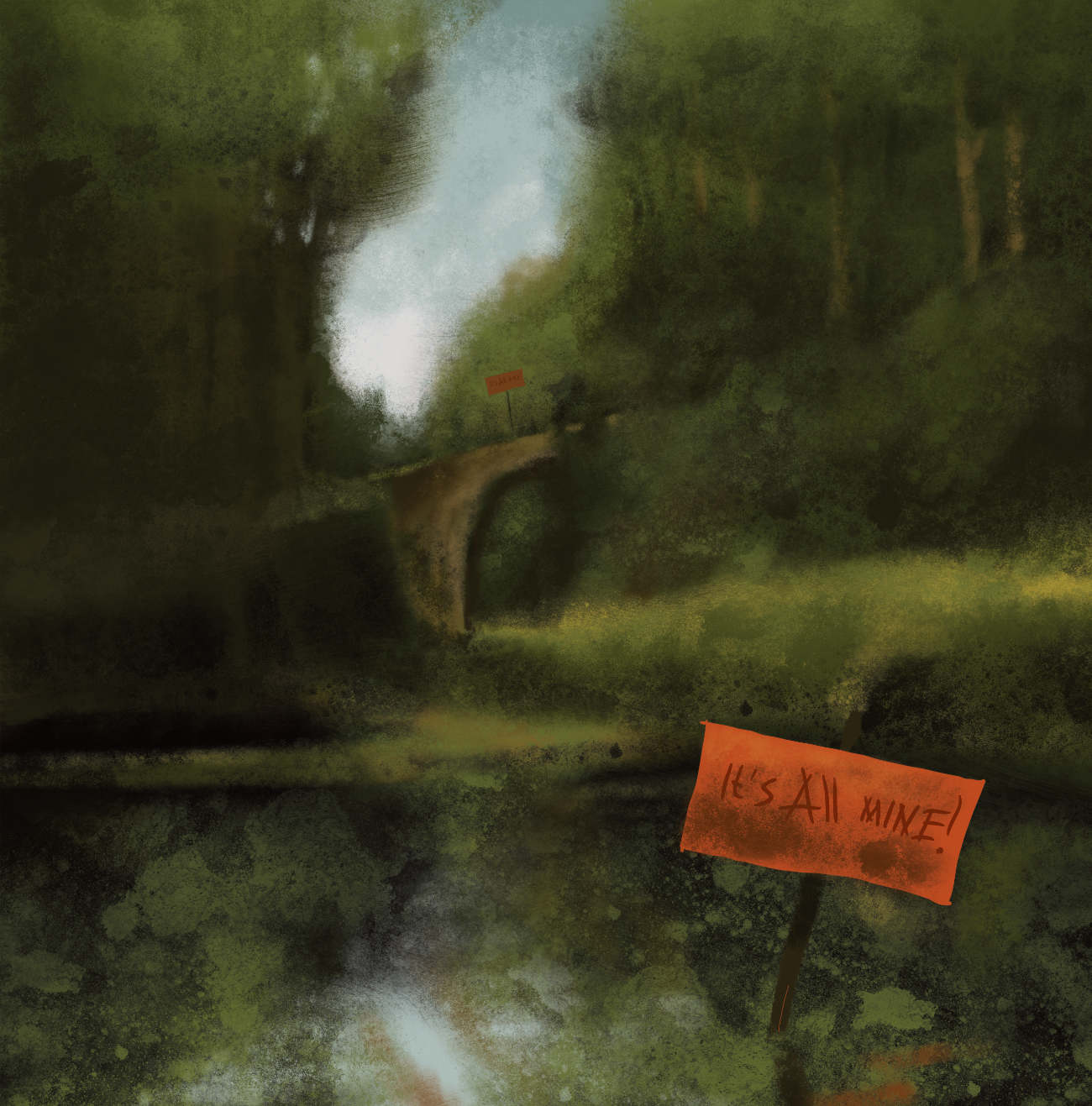
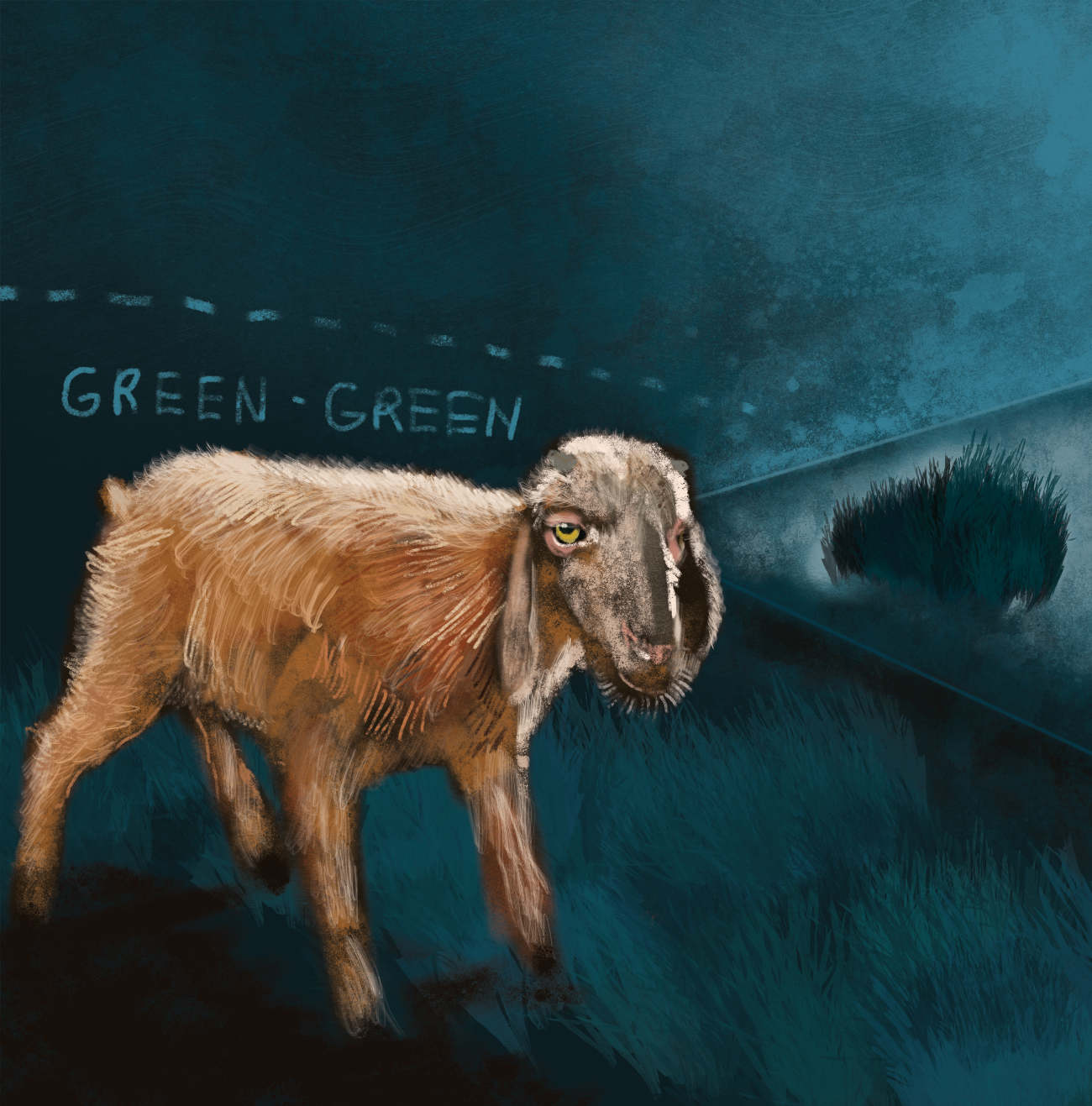
Three hungry goats dream of reaching a lush green hill, but a greedy troll is guarding the bridge. This classic fairy tale for kids is full of suspense, rhythm, and a playful lesson about fairness and sharing.
🍓 This story has been written and illustrated by real humans. 🍓
Read along with the animated video
Listen to the audiobook
Read ‘The Three Billy Goats Gruff’ online for free

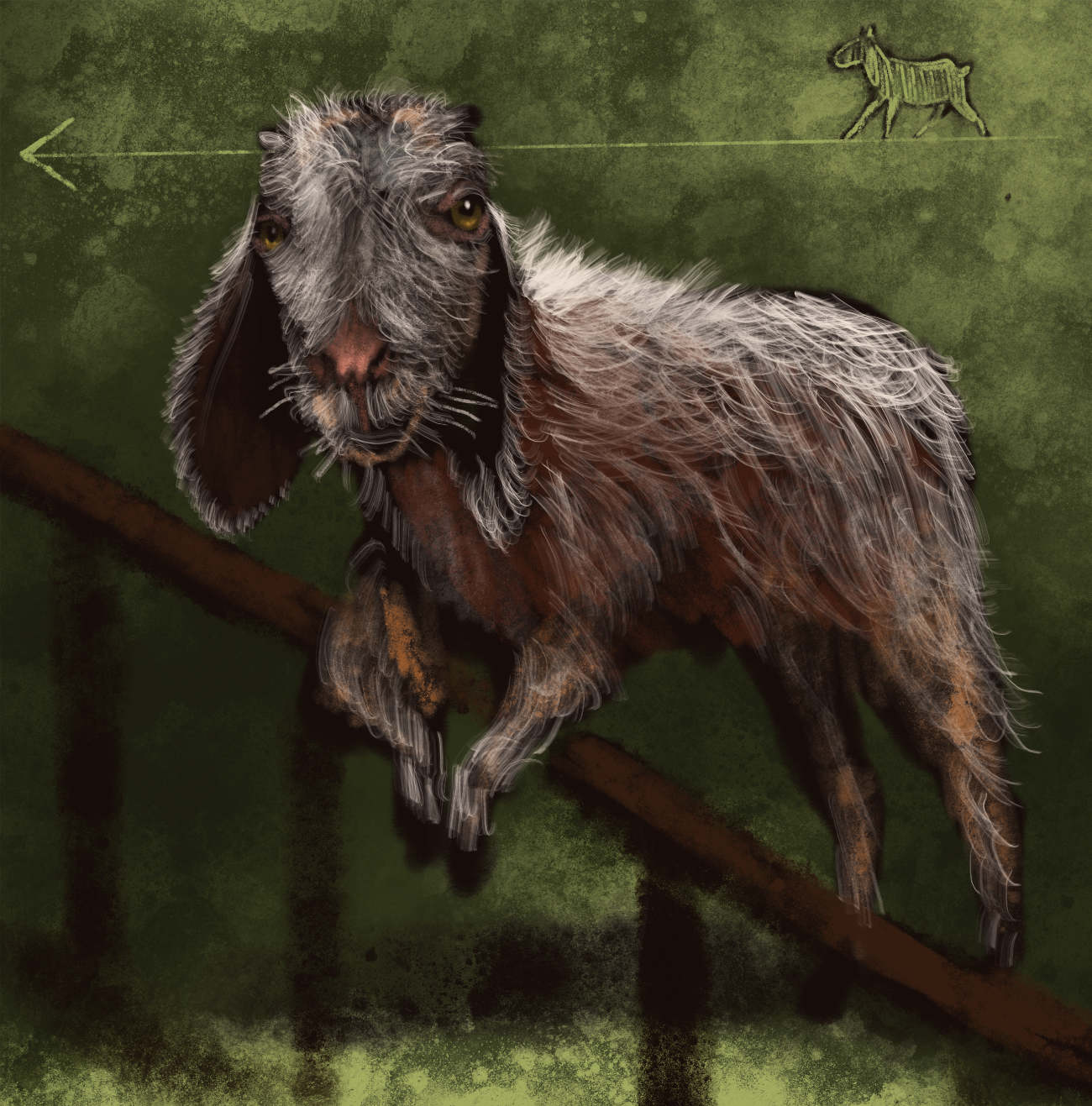
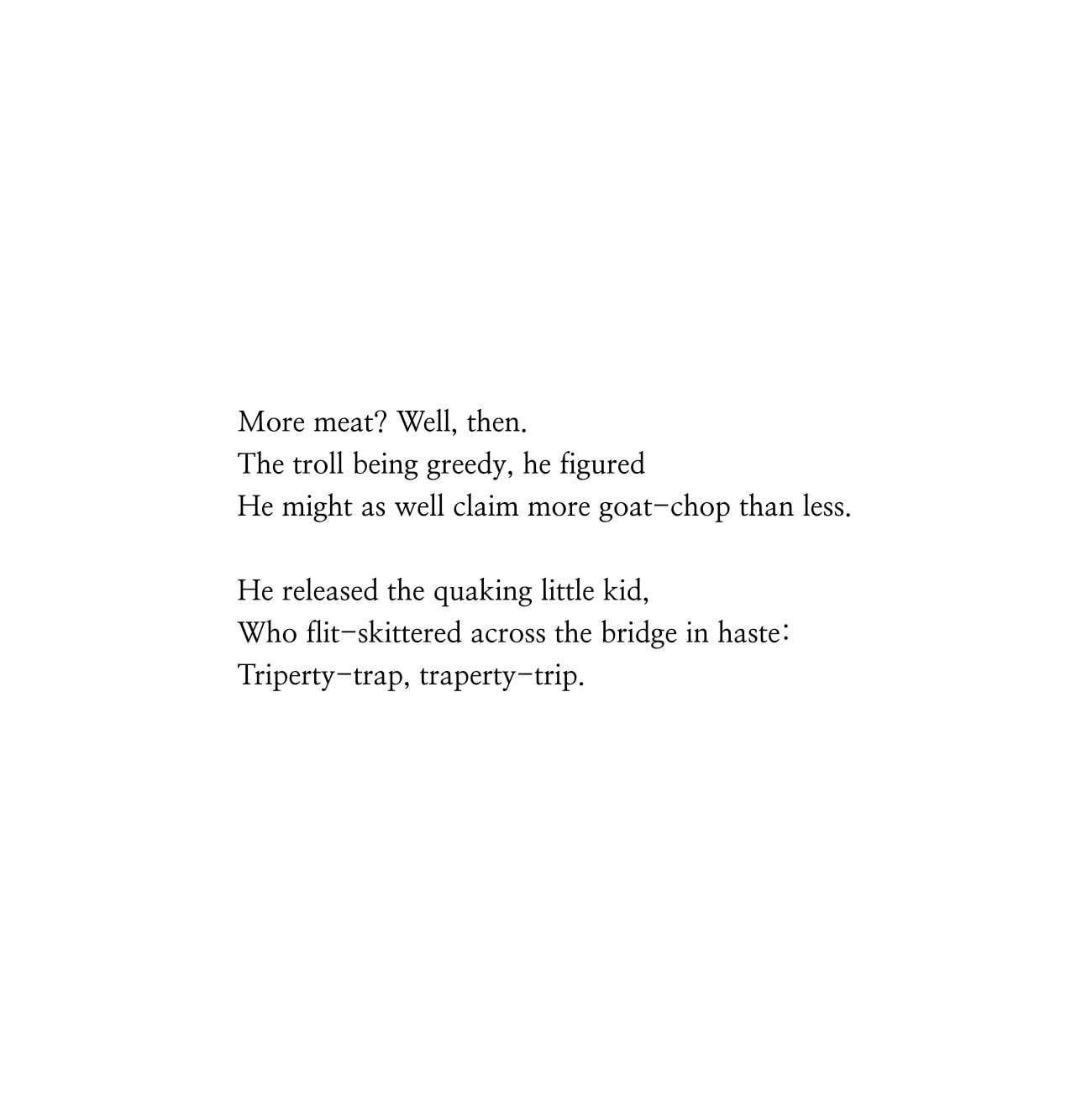
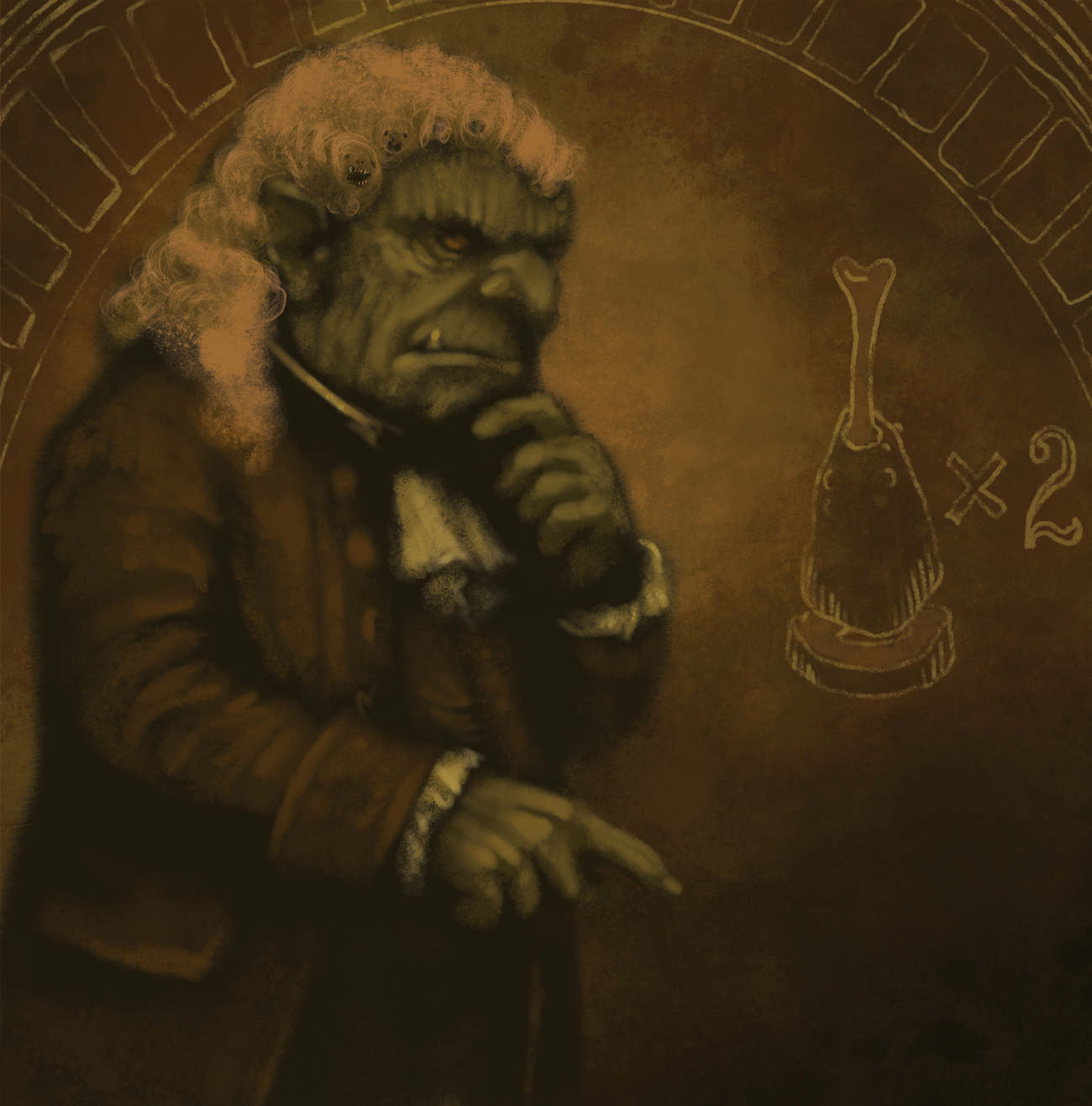
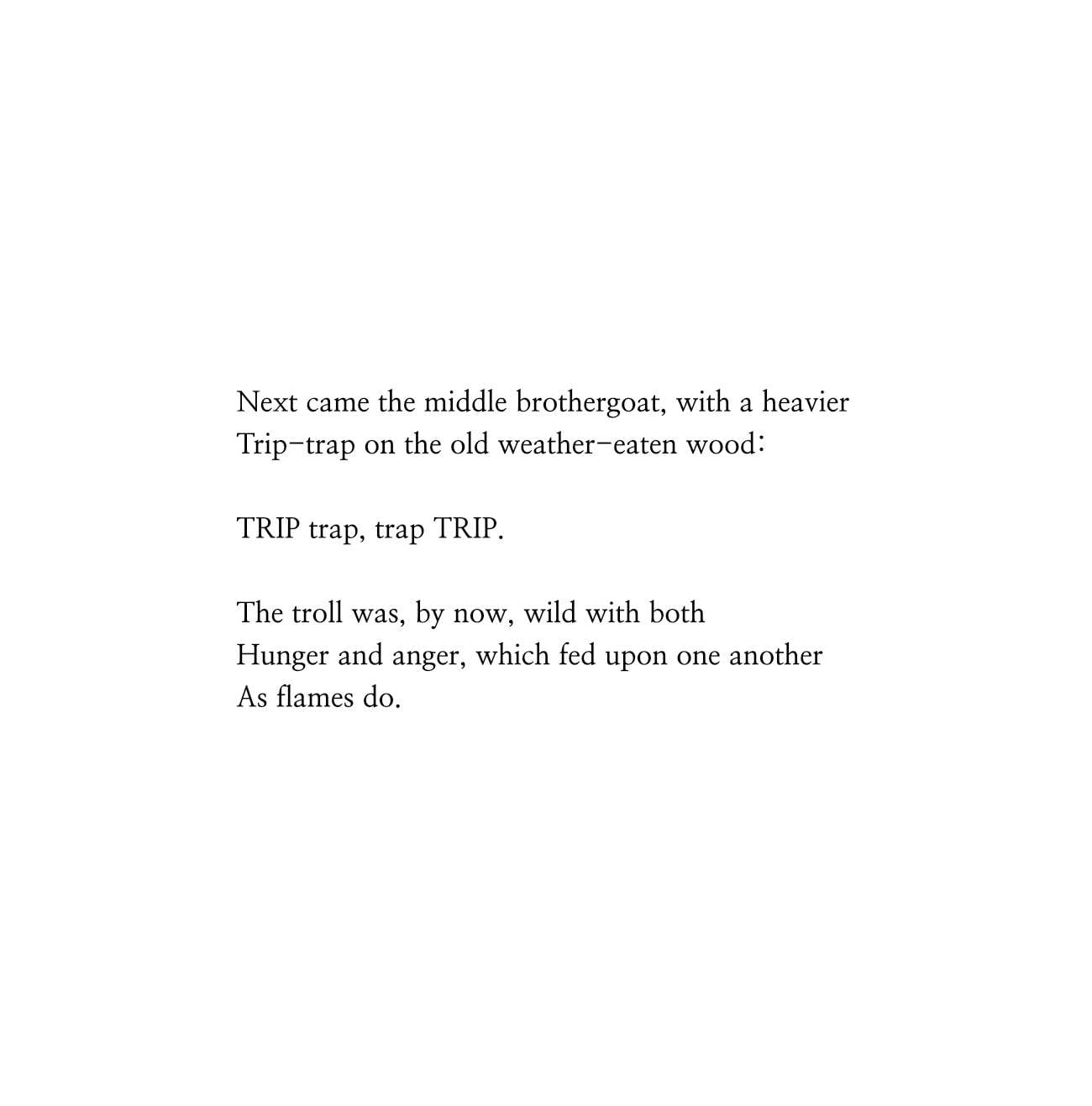

© Storyberries. All rights reserved.
Let’s talk about ‘The Three Billy Goats Gruff’!
Vocabulary
- Meek
- Gentle, quiet, and not very bold.
- Lush
- Thick, green, and healthy, especially when describing plants or grass.
- Hillock
- A small hill.
- Rickety
- Wobbly, weak, and likely to shake or fall apart.
- Famished
- Extremely hungry.
- Grotesque
- Strange, ugly, or unpleasant in a way that feels exaggerated.
- Gluttonous
- Greedy for food and wanting much more than is needed.
- Livid
- Very angry.
Context
The Three Billy Goats Gruff is a classic fairy tale with animal characters, a repeated bridge-crossing pattern, and a threatening troll who tests the goats’ courage and cleverness. The story uses rhythmic sound words such as “trip-trap” to build suspense and help children notice repeated language.
Its simple structure, with the littlest, middle, and eldest goats each taking a turn, supports sequencing, prediction, and oral storytelling. The troll’s greed and anger create opportunities to discuss fairness, sharing, and problem-solving.
The goats’ journey also helps children think about power, courage, and how smaller characters can use quick thinking to survive. Children come away with a clear moral lesson: greed can leave a person with less, while fairness helps everyone thrive.
Discussion questions
Spark a conversation with your child and connect the story to real-life lessons.
Fairness
- Why do you think the goats felt the green hillock should belong to everyone, not just the troll?
- Was it fair for the troll to block the bridge and claim all the grass for himself? Why or why not?
- Have you ever seen someone try to take more than their fair share? What happened?
Sharing
- The eldest Billy Goat Gruff invites the troll to join them for dandelions. Why do you think he offers to share, even after the troll has been greedy?
- What might have happened if the troll had agreed to share the grass instead of trying to eat the goats?
- Can you think of a time when sharing made a problem easier to solve?
Siblings
- How do the three Billy Goats Gruff help one another, even when each goat crosses the bridge alone?
- Why do you think the littlest and middle goats both mention their bigger brother?
- How can brothers, sisters, or friends look after each other when something feels scary?
Conflict Resolution
- The littlest goat tries to talk to the troll first. Why is talking sometimes a good first step when there is a problem?
- Why does the troll’s anger make the problem worse instead of better?
- What could the troll have done differently if he wanted food without frightening the goats?
Buy the paperback

Love the story? Own the book
Visit the Storyberries Bookstore
PS: Your support means the world to us! When you make a purchase through an Amazon link, we may earn a small commission at no additional cost to you. This helps us spread the magic of free stories to children across the globe. Thank you for being a part of the Storyberries family!
FAQs about ‘The Three Billy Goats Gruff’
What is ‘The Three Billy Goats Gruff’ about?
The Three Billy Goats Gruff is a classic fairy tale about three hungry goats who want to cross a bridge to reach a field of fresh green grass. Under the bridge lives a greedy troll who claims the land as his own and tries to stop them. This playful story for kids builds suspense with repeated “trip-trap” sounds and a satisfying lesson about greed.
What are the main themes of ‘The Three Billy Goats Gruff’?
What happens in the story?
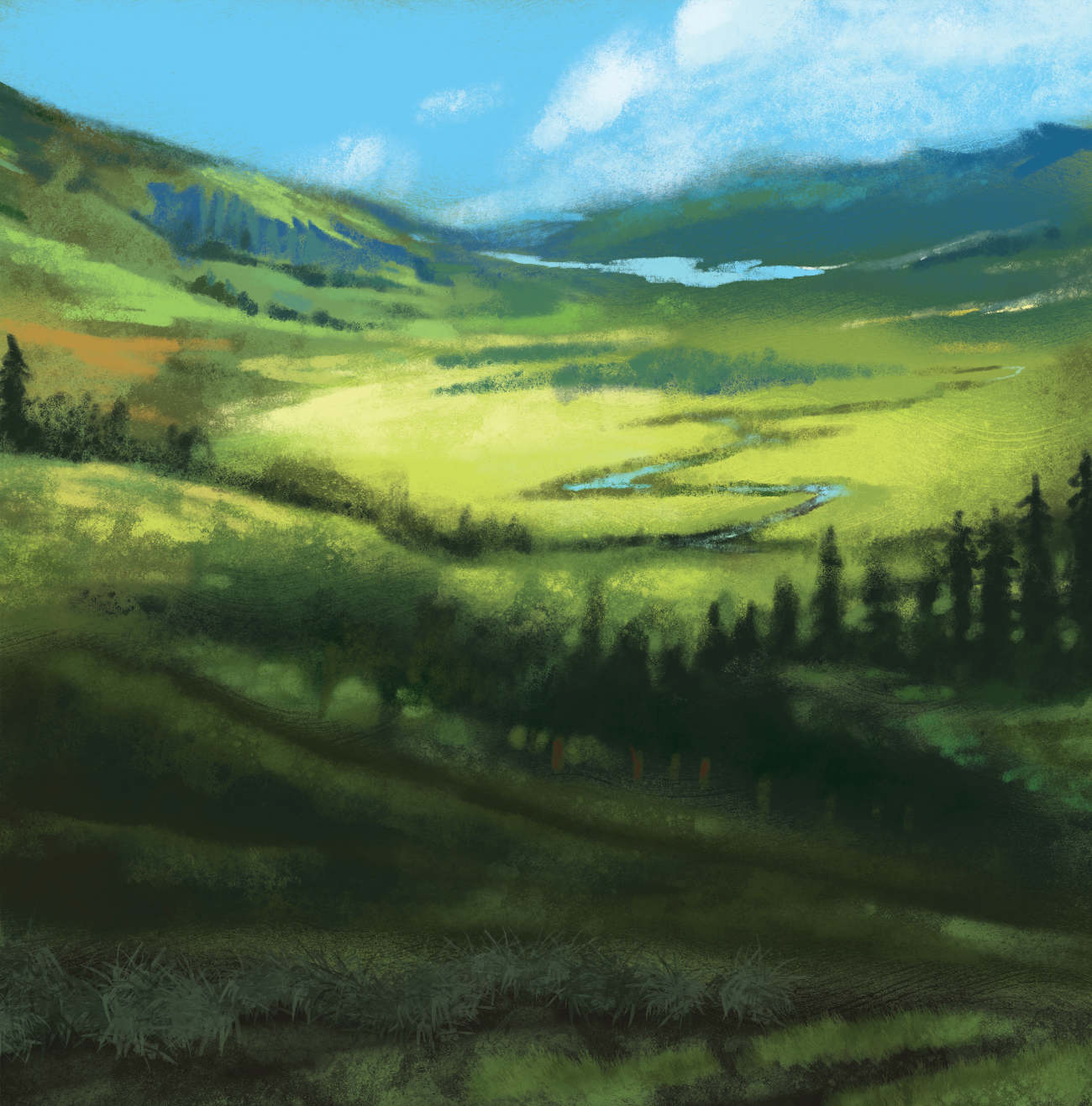
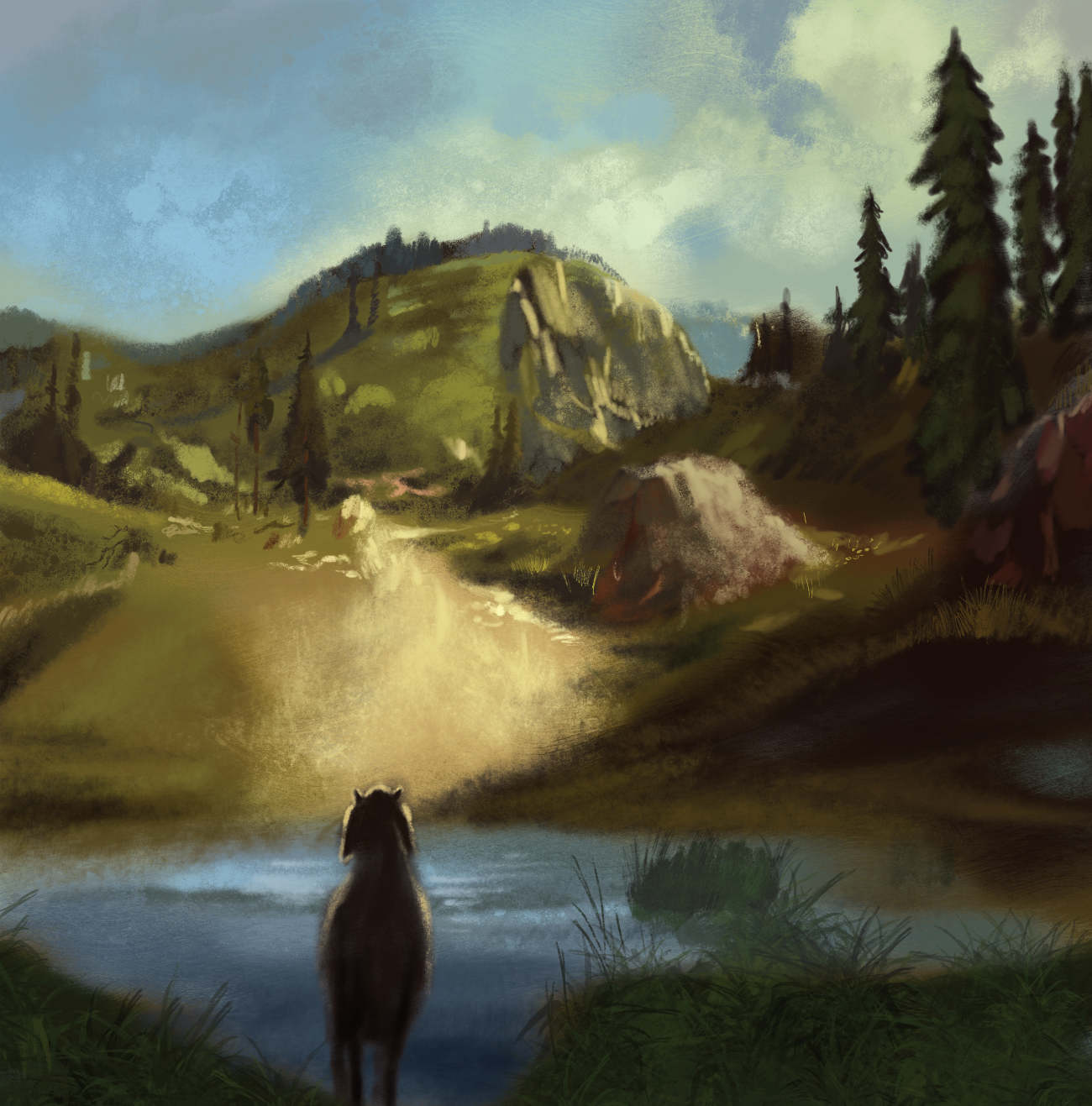
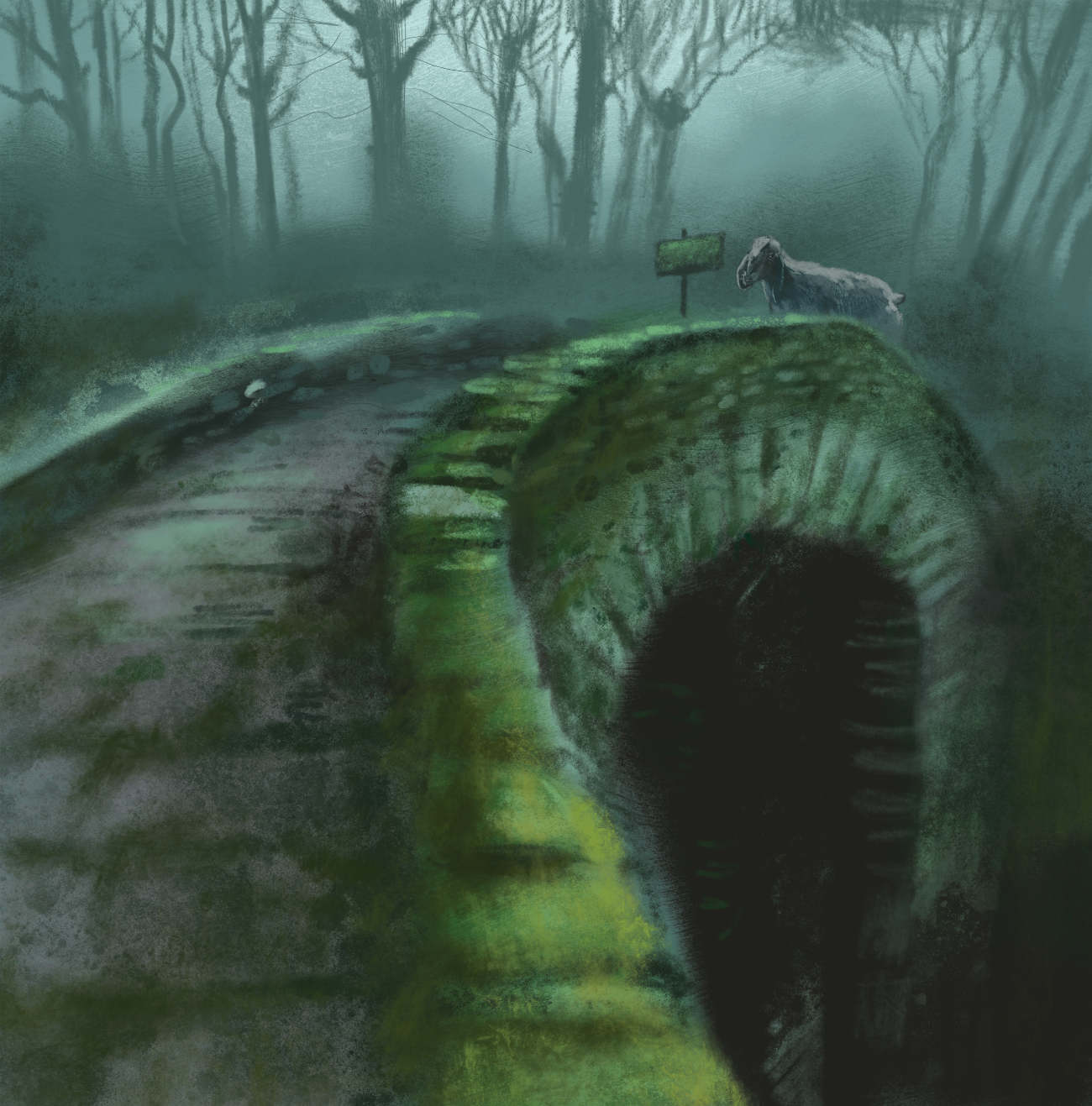
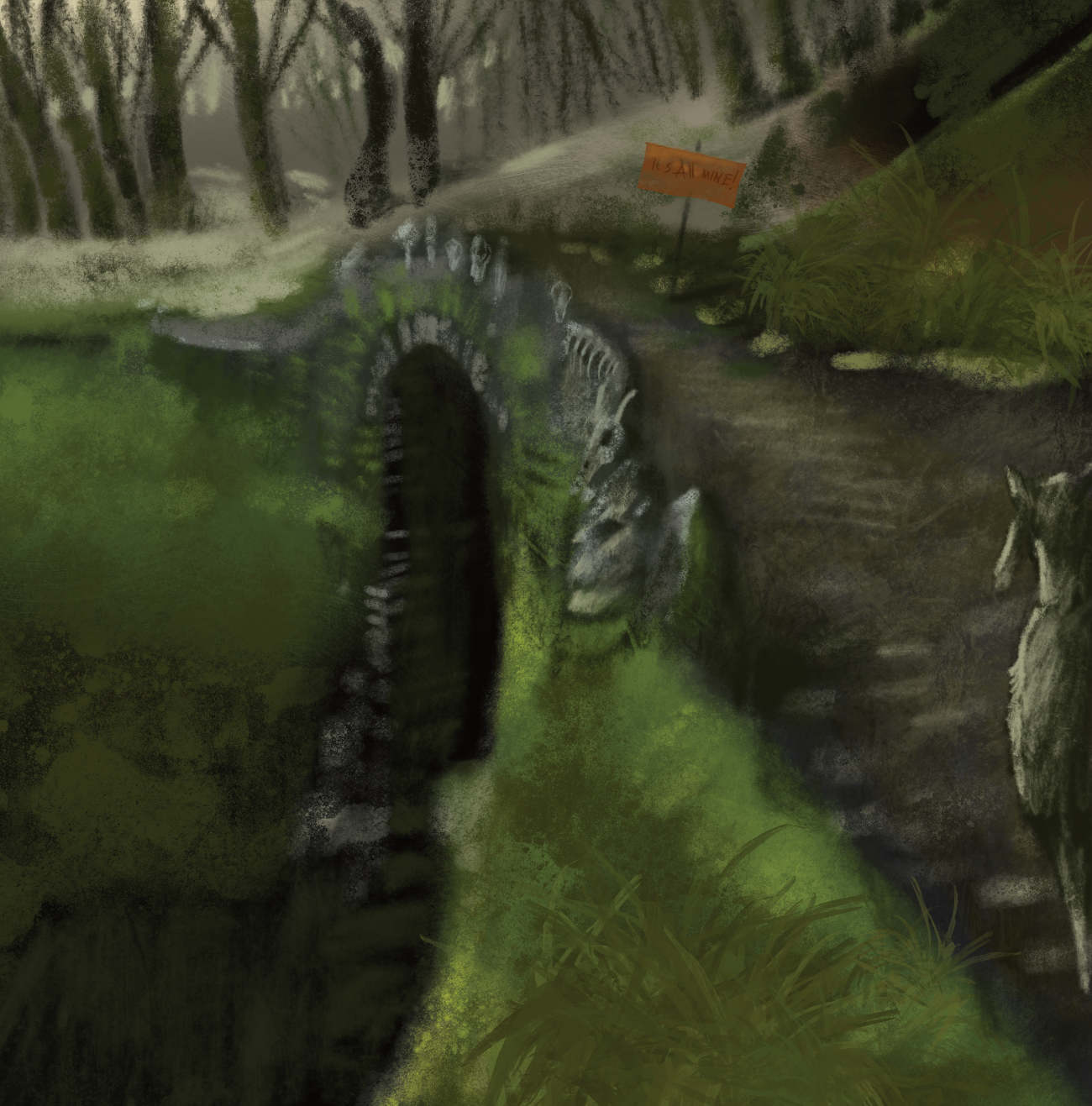
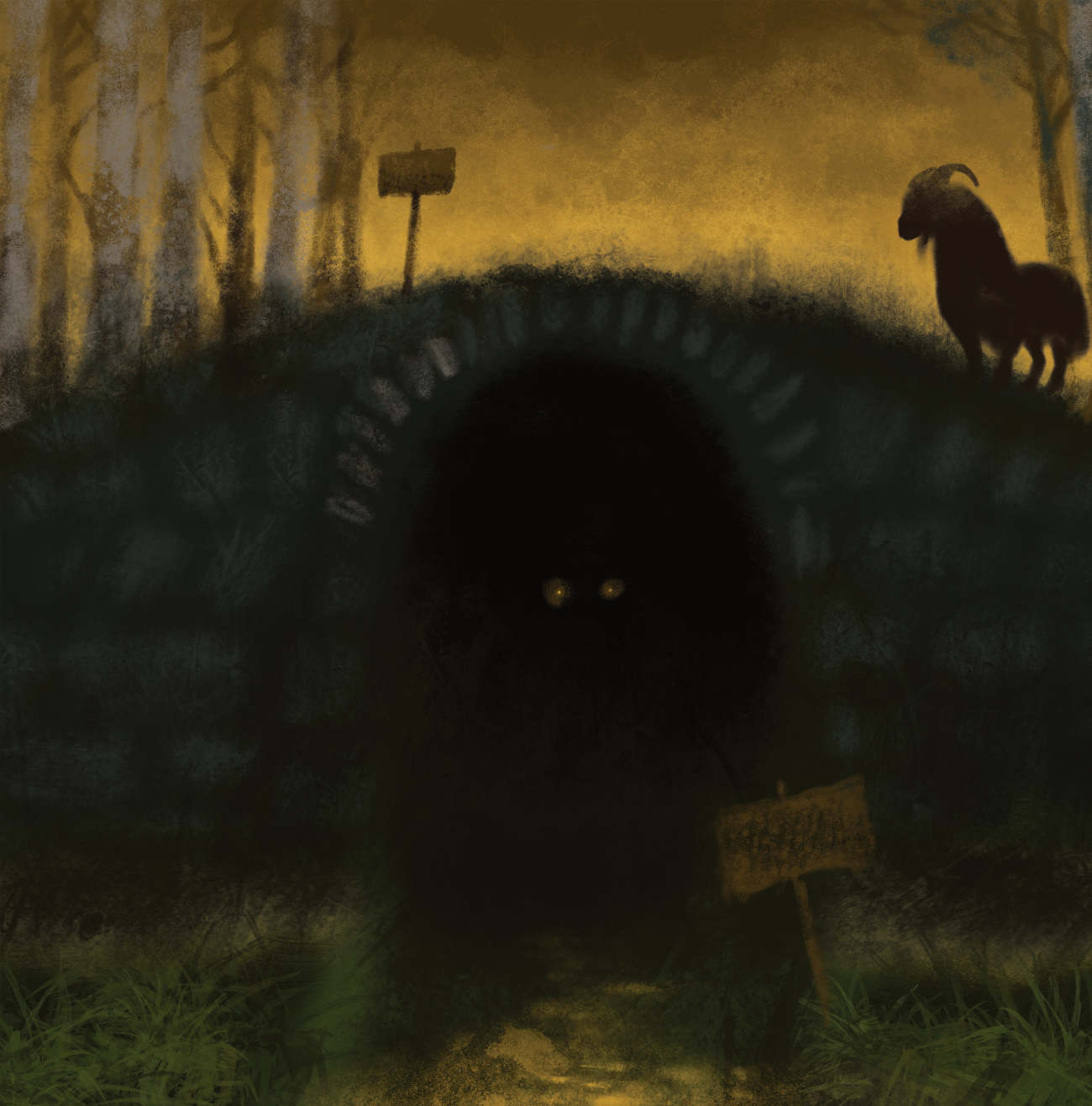
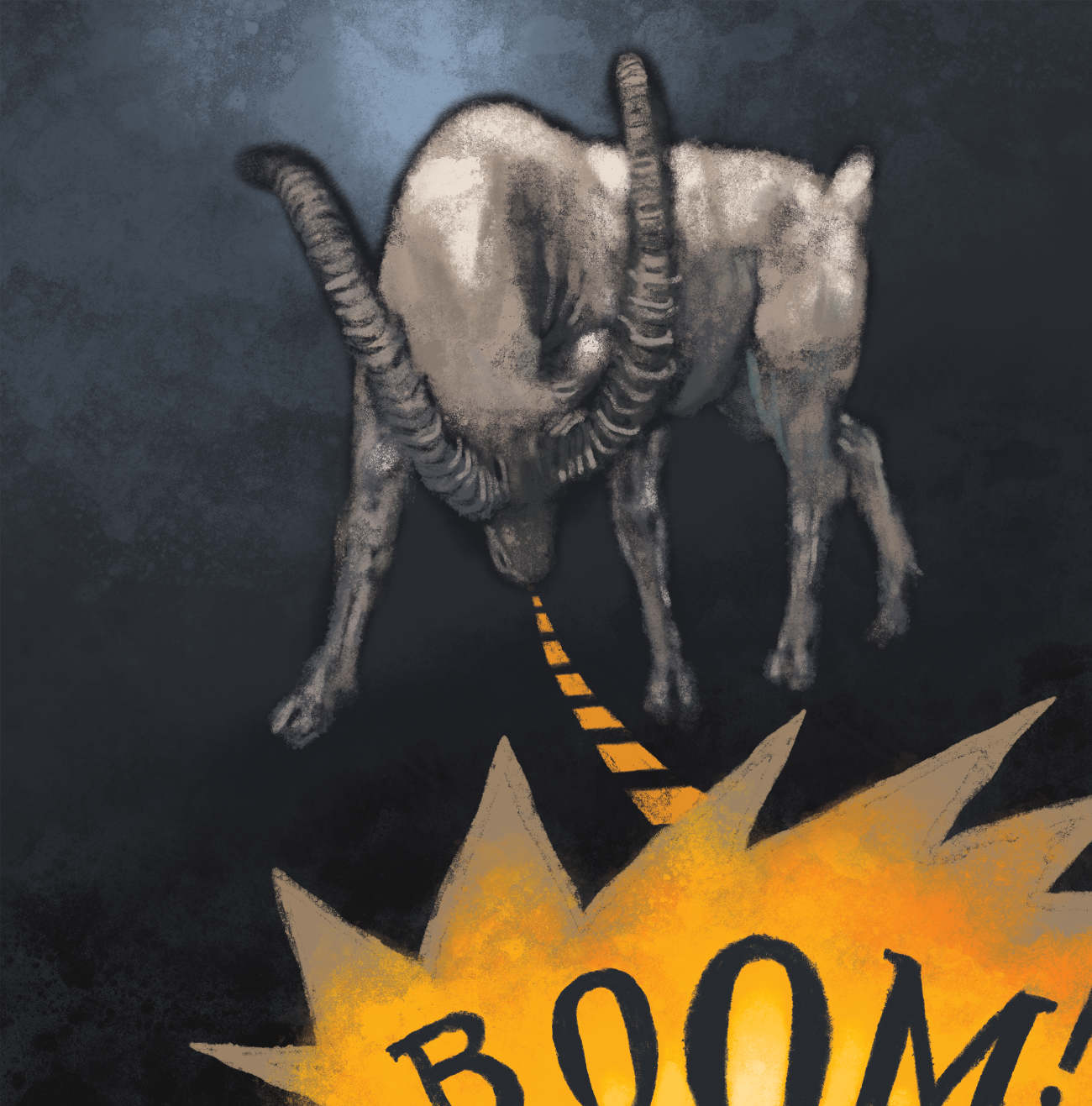
Three goats see a lush green hillock across a bridge, but a troll underneath the bridge blocks the way. The littlest and middle goats trick the troll into waiting for a bigger goat. When the eldest Billy Goat Gruff arrives, he is strong enough to defeat the troll and join his brothers in the grass.
What lesson does ‘The Three Billy Goats Gruff’ teach children?
The story teaches that greed does not lead to happiness or success. The troll wants more and more, but his greed causes him to lose everything. It is a simple and memorable bedtime story with morals, especially for children learning about fairness and self-control.
Is ‘The Three Billy Goats Gruff’ a good bedtime story?
Yes, it works well as a short bedtime story, especially for children who enjoy fairy tales with suspense and repetition. The “trip-trap” rhythm makes it fun to read aloud. Parents can soften the troll’s scarier moments with playful voices and a reassuring ending.
How can teachers use ‘The Three Billy Goats Gruff’ in class?
Teachers can use this story to teach sequencing, repeated phrases, character motivation, and moral lessons. Children can act out the three goats crossing the bridge, compare the goats’ choices, or discuss the troll’s behavior. It also fits well with fairy tales and animal stories for kids.
Who are the main characters in ‘The Three Billy Goats Gruff’?
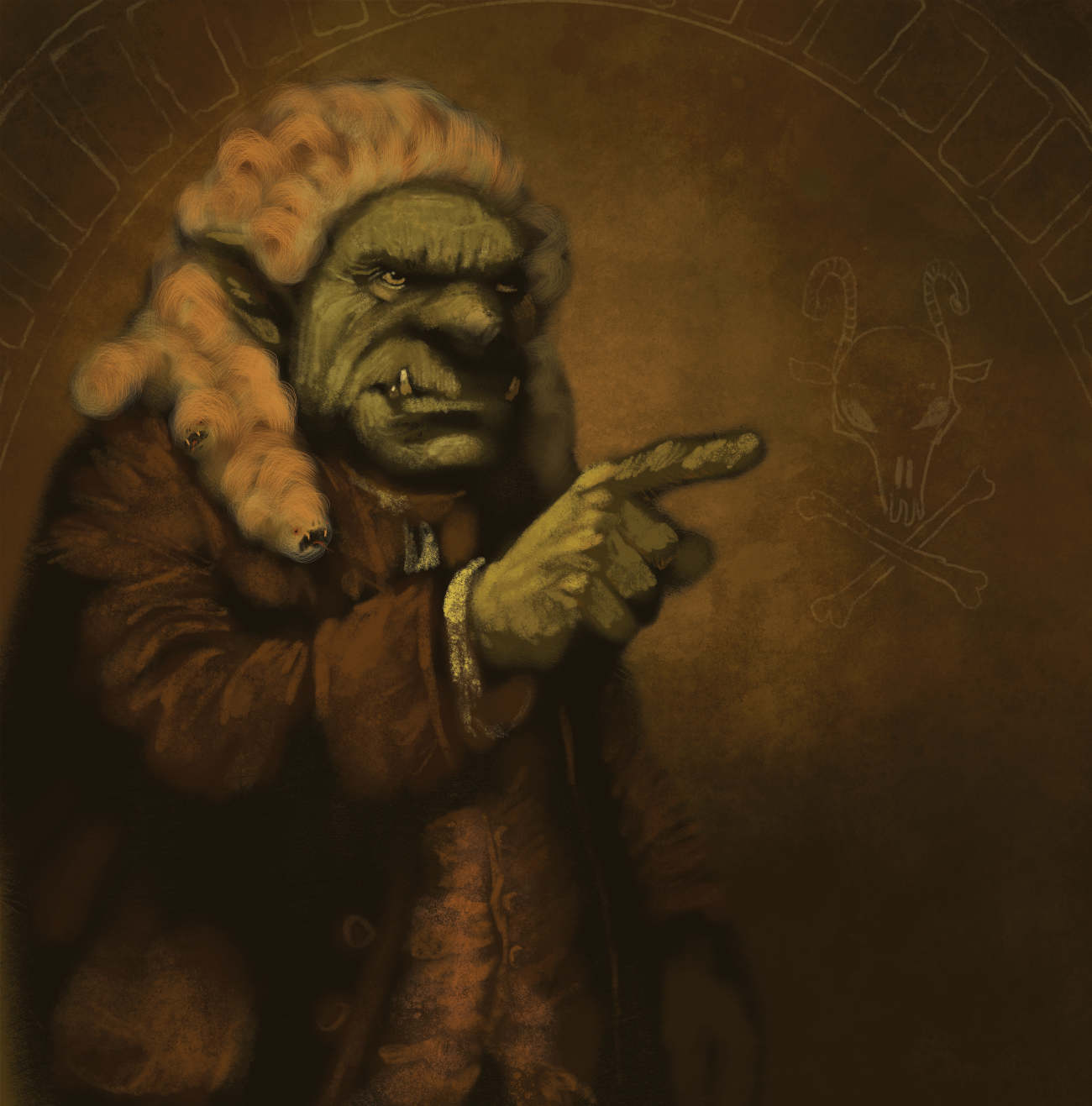
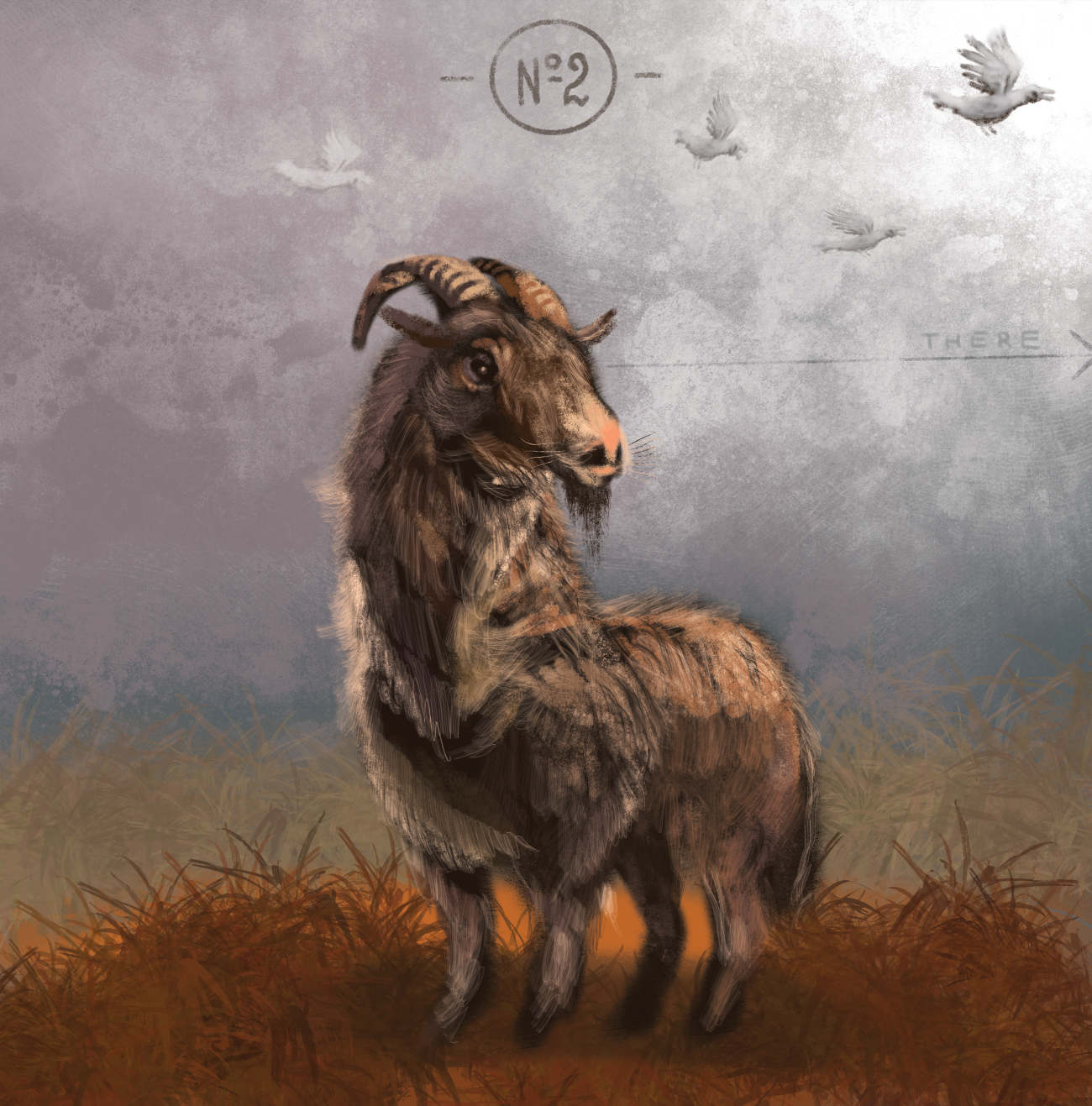
The main characters are the littlest, middle, and eldest Billy Goats Gruff, along with the troll under the bridge. Each goat has a different role in the story: the younger goats are vulnerable and quick-thinking, while the eldest goat is calm and strong. The troll is greedy, angry, and unwilling to share.
What age group is ‘The Three Billy Goats Gruff’ best for?
This version is best suited to older kids aged 7–12 because of its rich vocabulary and dramatic descriptions. It can also be enjoyed by confident younger listeners when read aloud by an adult. The Storyberries age category would best fit Books for Older Kids.
What activities can children do after reading this story?
Children can build a simple bridge from blocks or cardboard and retell the story with toy animals. They can draw the troll under the bridge, make sound effects for each goat’s footsteps, or write a new ending where the troll learns to share. These activities support creativity, comprehension, and oral storytelling.
How is this dark retelling different from Katharine Pyle’s classic version of The Three Billy Goats Gruff?
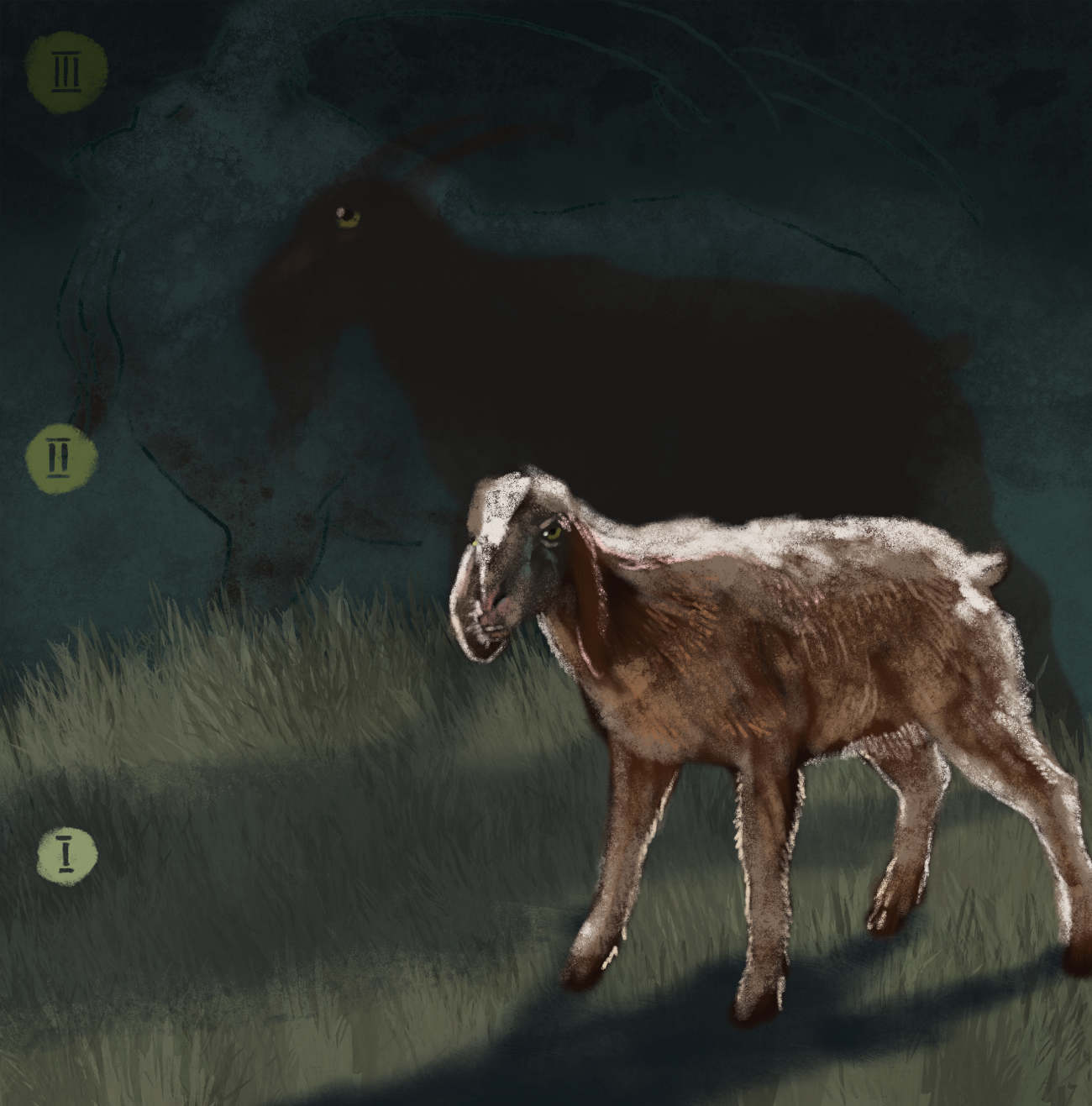
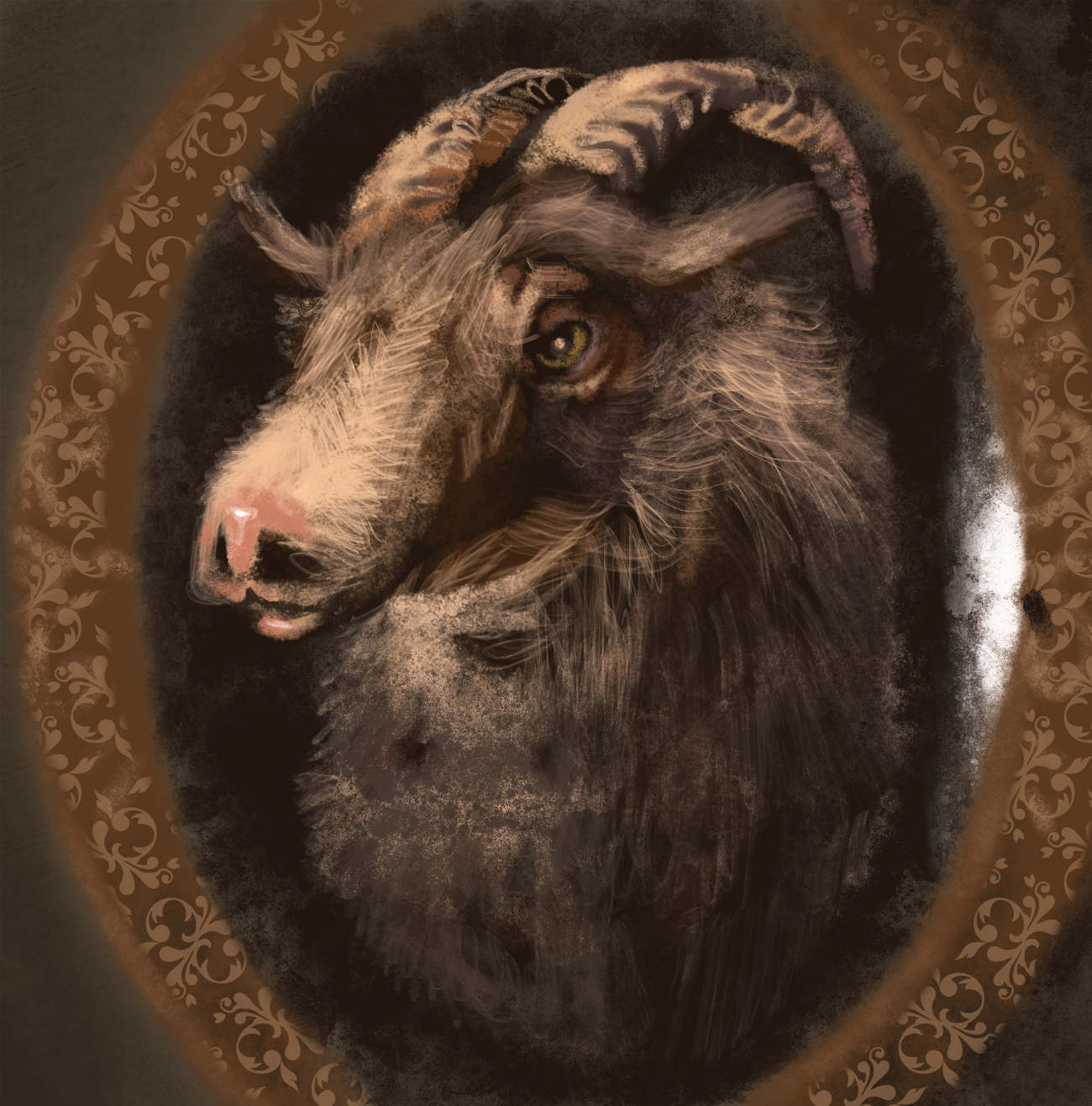
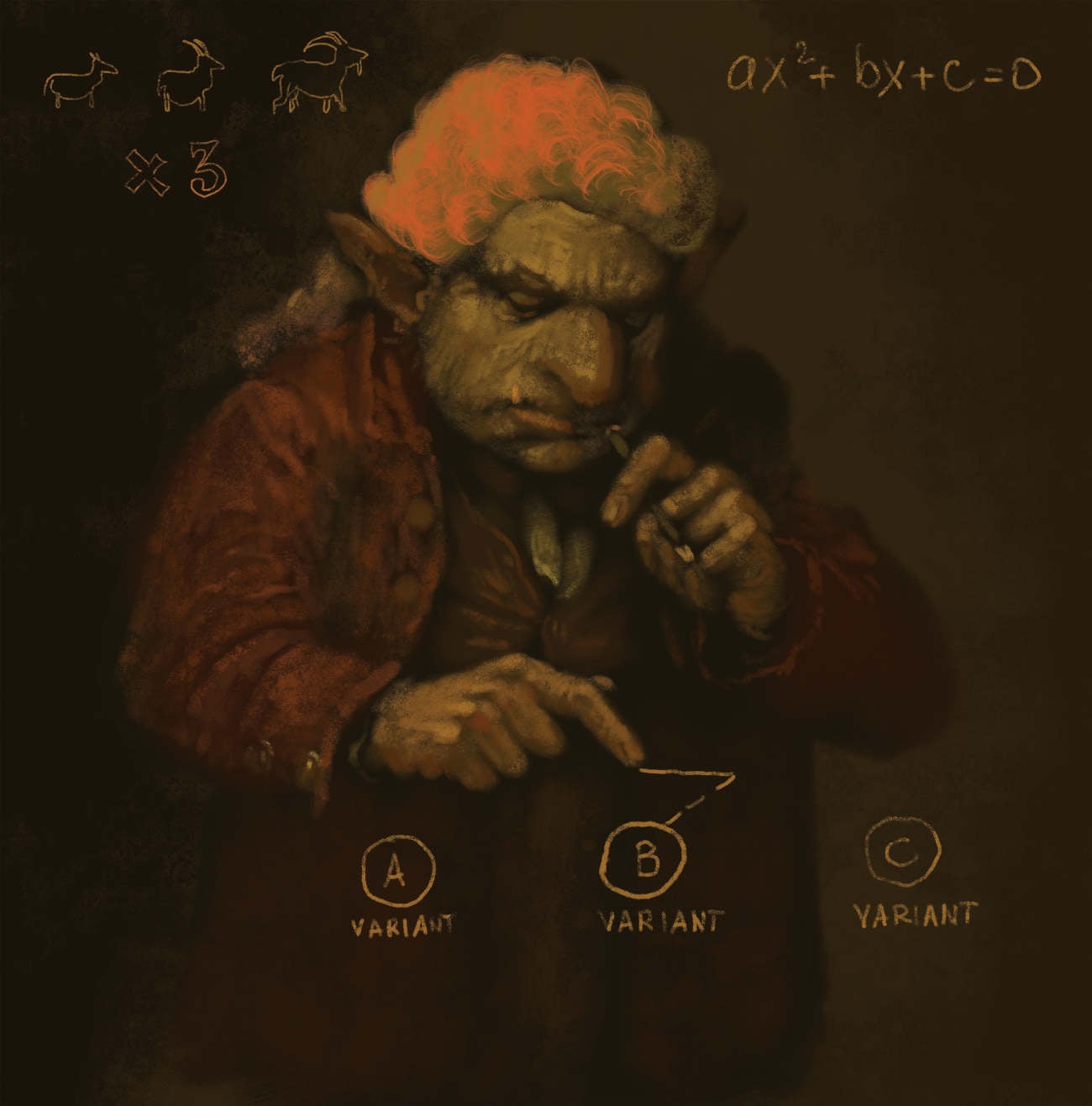
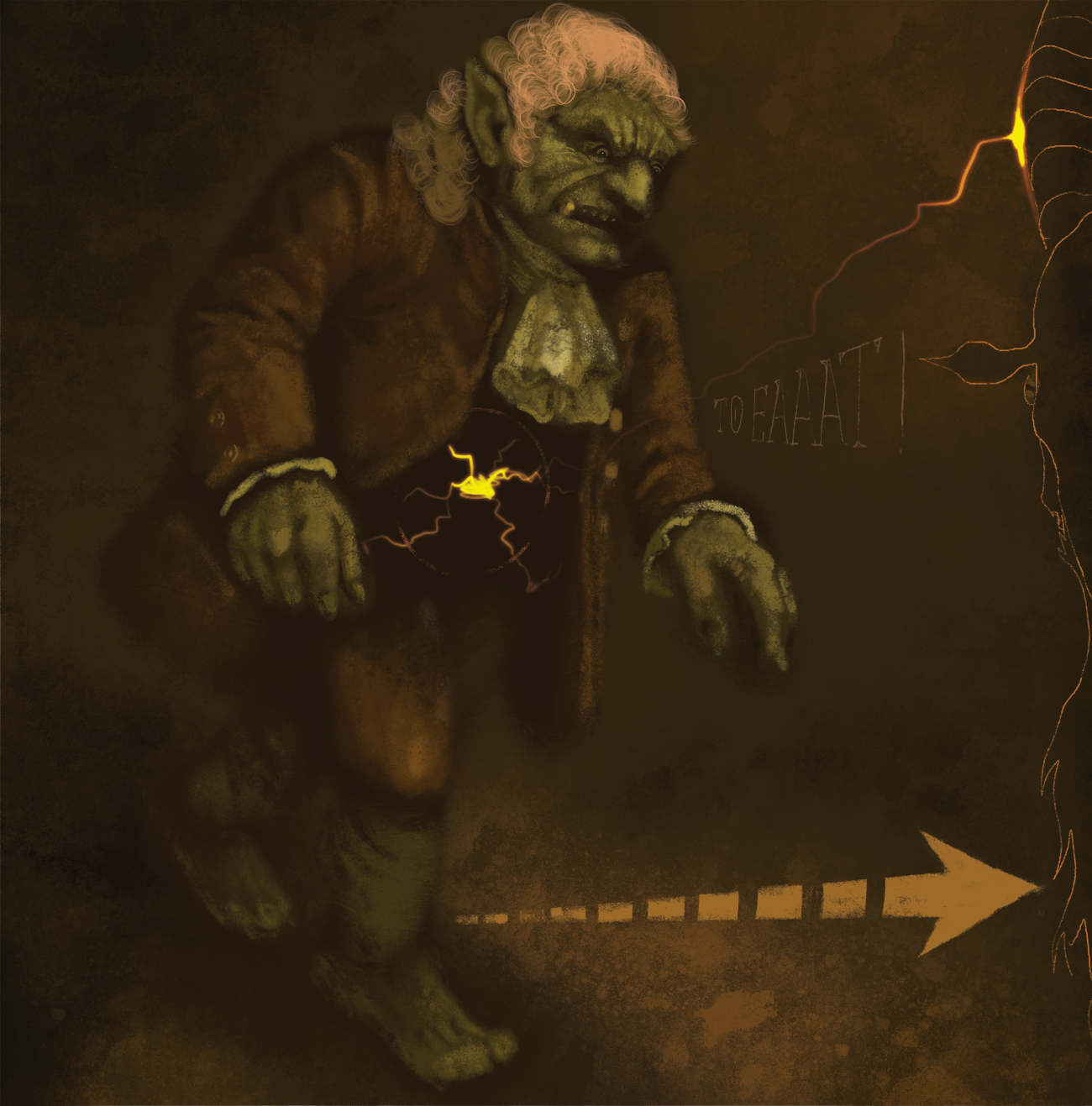
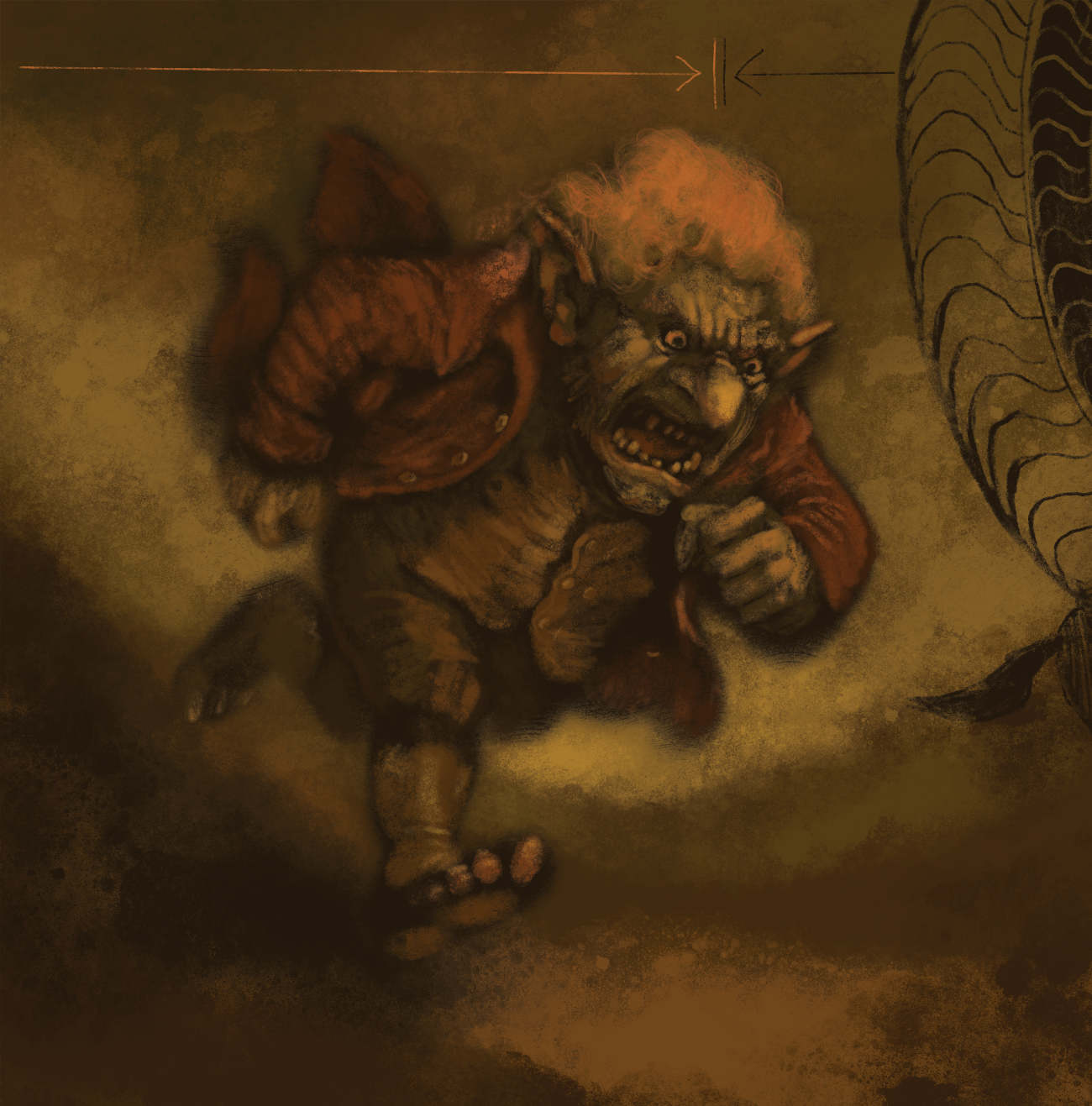
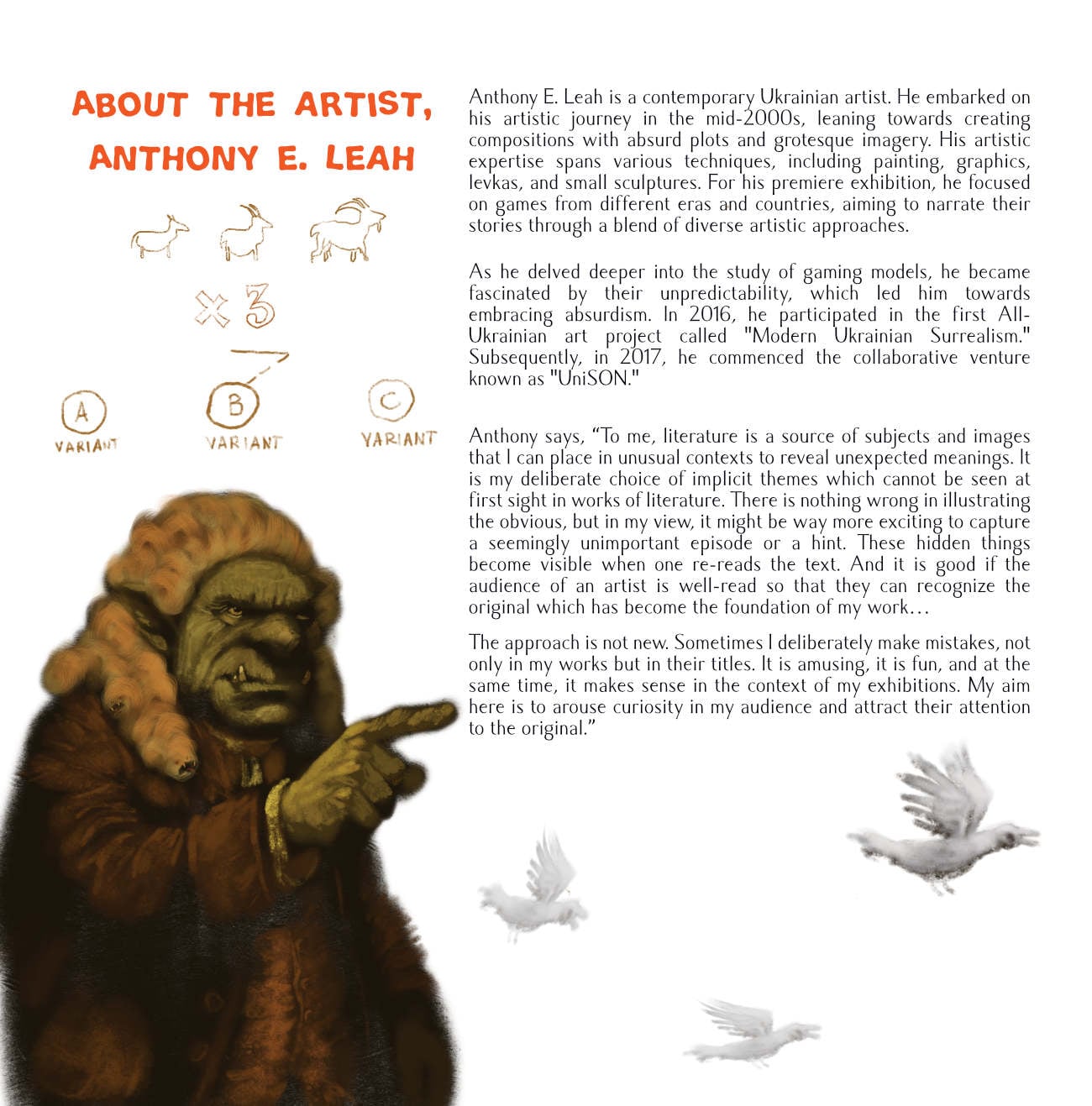
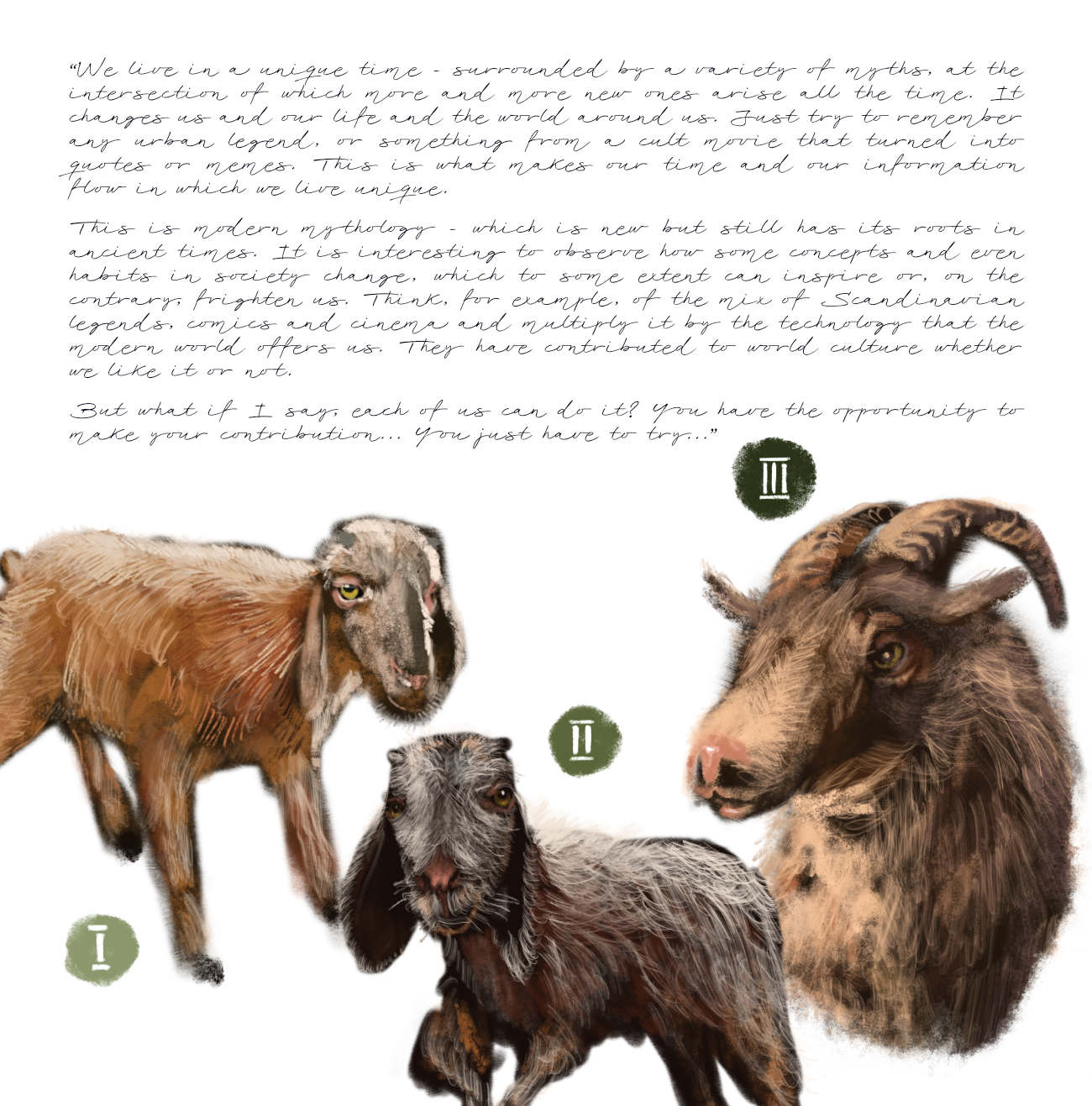
This page presents Storyberries’ dark retelling of The Three Billy Goats Gruff, written by Jade Maitre and illustrated by Anthony E. Leah. It is a separate creative interpretation of the traditional tale, using new language, a darker atmosphere and extensive illustrations to reshape the mood, characters and tension.
For the traditional reading experience, visit Katharine Pyle’s classic version of The Three Billy Goats Gruff. Pyle’s version is a prose telling built around repeated bridge crossings, recurring dialogue and the memorable changes in the goats’ footsteps — from tip-tap, to trap-trap, to the Big Billy Goat’s heavy klumph-klumph.
Reading the two versions together makes it easy to compare how different writers and formats can transform the same familiar fairy tale. The classic version emphasises traditional storytelling rhythm and repetition, while the dark retelling uses newly written language and artwork to create a more atmospheric, mature interpretation.
Credits
This story was brought to life by these awesome real humans!
- Written by: Jade Maitre
- Illustrated by: Anthony E. Leah
- Music video from “Evening” Kevin MacLeod (incompetech.com), “Dhaka” Kevin MacLeod (incompetech.com), “Birch Run” Kevin MacLeod (incompetech.com), “All This” Kevin MacLeod (incompetech.com), “Angevin B” Kevin MacLeod (incompetech.com), “Medusa” Kevin MacLeod (incompetech.com), “Morning” Kevin MacLeod (incompetech.com). Licensed under Creative Commons: By Attribution 4.0 License, http://creativecommons.org/licenses/by/4.0/
