

Find a Fairy Tale
Find an old favourite or discover a fairy tale you haven’t read before. Browse the collections below by author or country, or choose between feel-good stories for young kids and darker tales for older readers.
Famous Fairy Tales
Enjoy famous fairy tales children have loved for generations, including timeless stories of courage, magic, adventure and wonder.
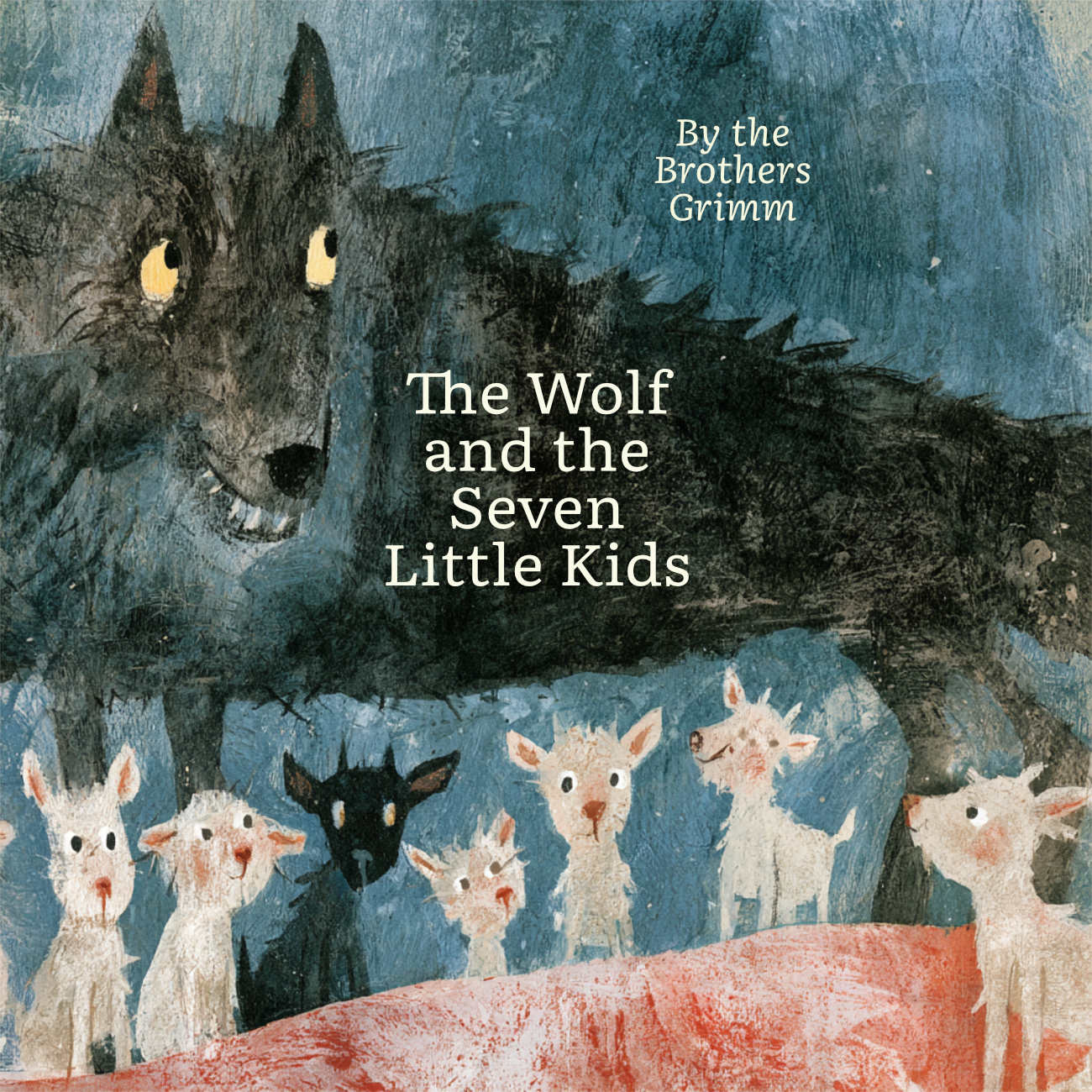
The Wolf and the Seven Little Kids
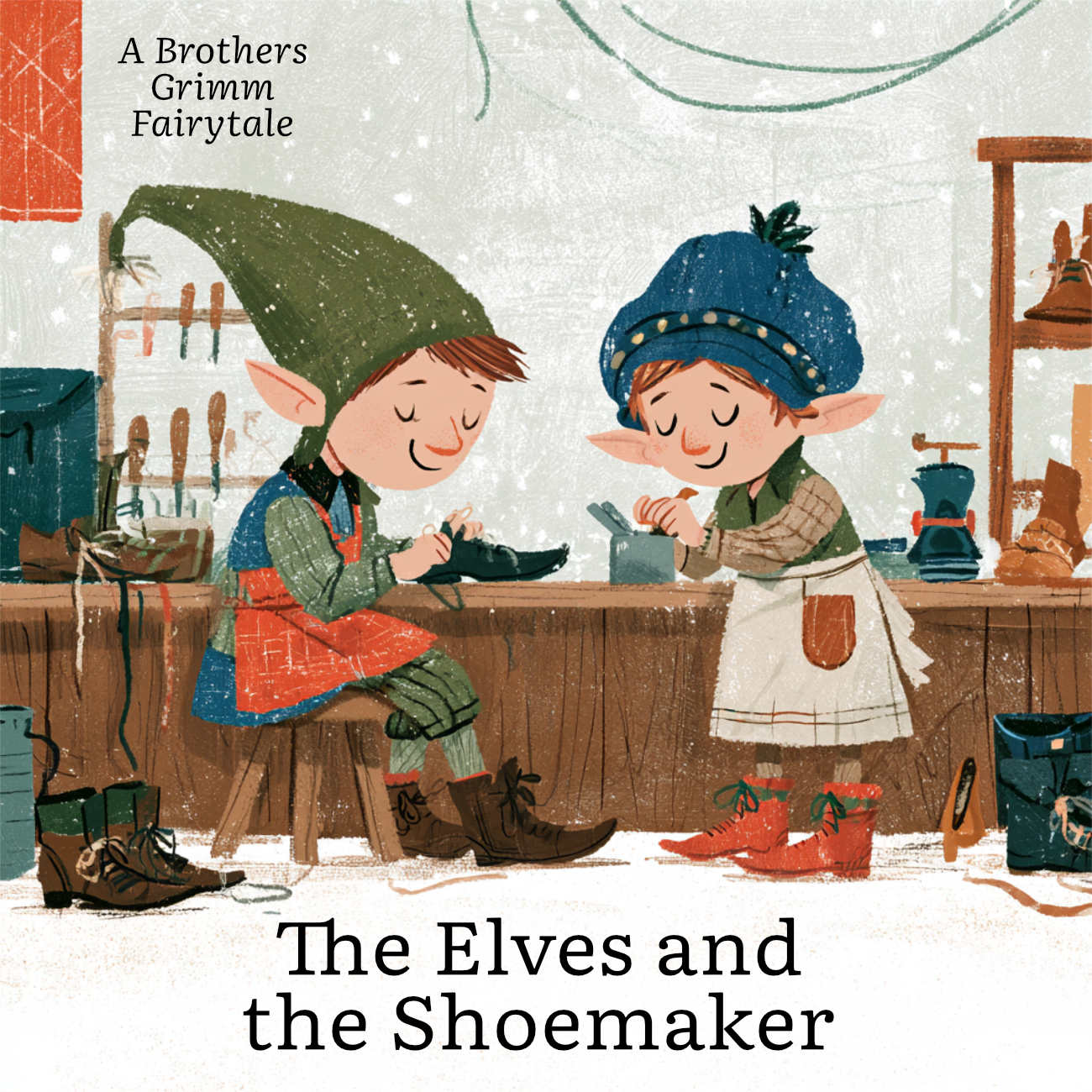
The Elves and the Shoemaker
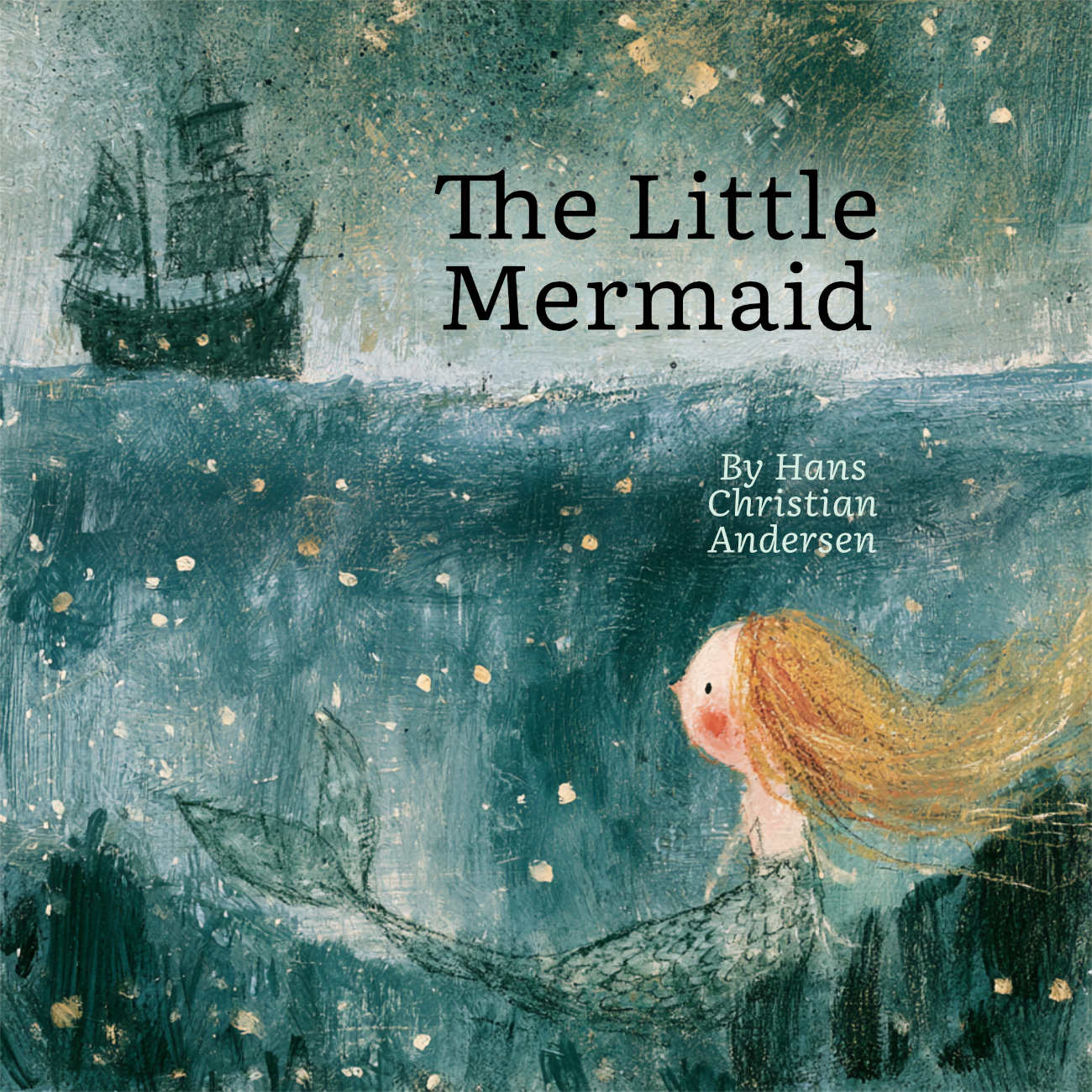
The Little Mermaid
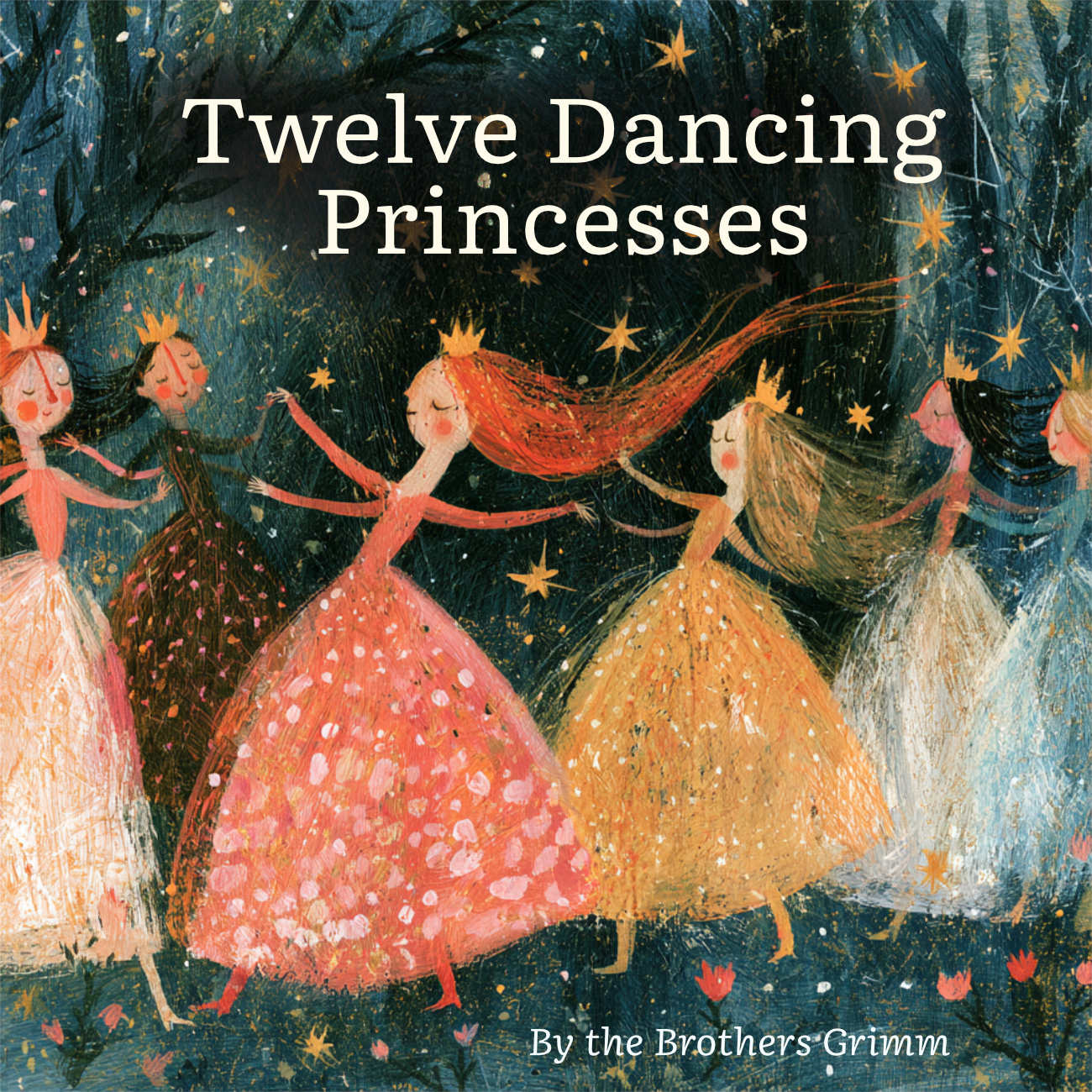
The Twelve Dancing Princesses
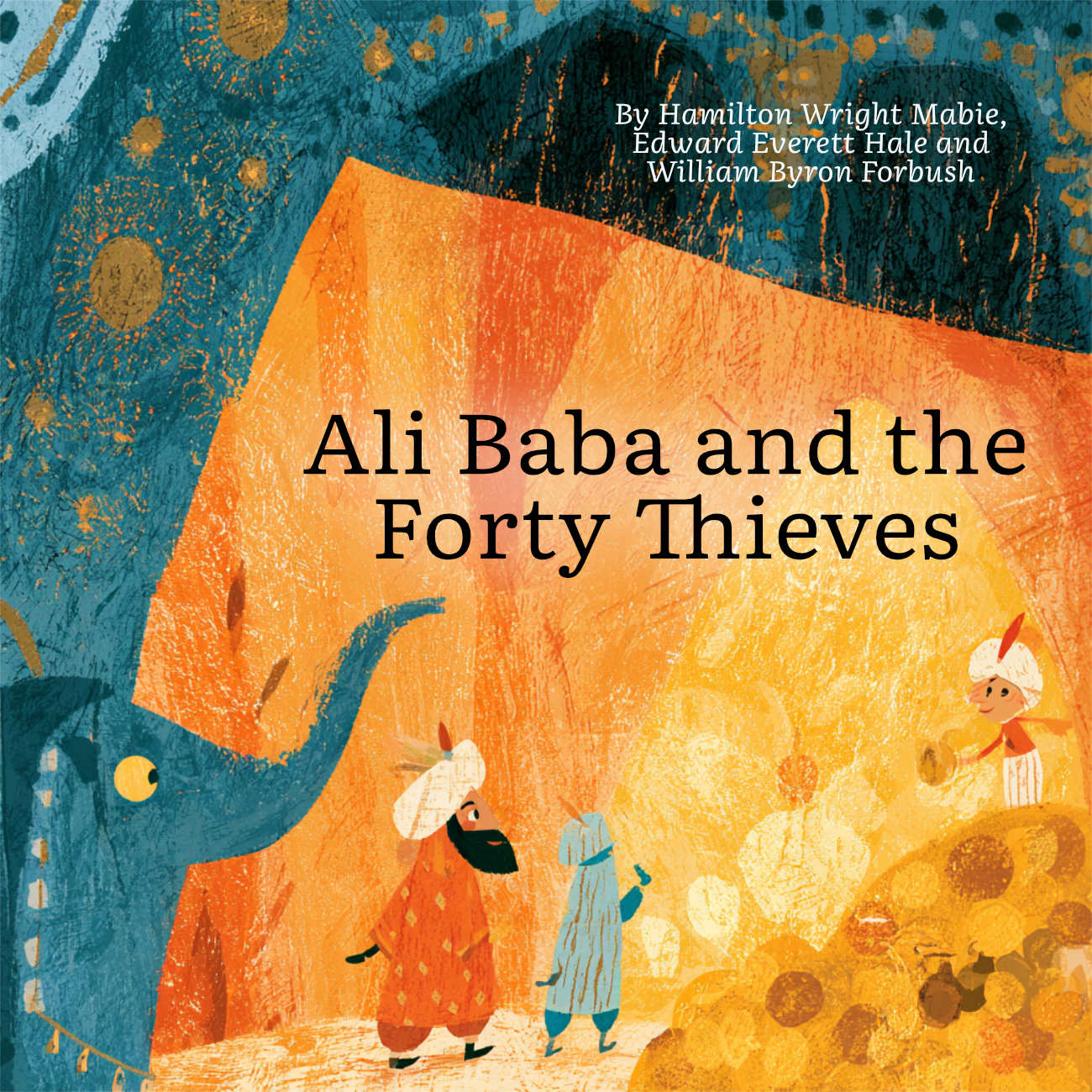
Ali Baba and the Forty Thieves
Feel-Good Fairy Tales
Discover uplifting fairy tales for kids filled with kindness, humour, friendship and hopeful endings.

The King and the Milkmaid

Chanticleer

Yummy, Happy, Good-Time Soup!

Huffy Puffy Wolf

Princess Pink Knickers

Little Blue Riding Hood
Dark Fairy Tales
Explore darker fairy tales for older children, with mysterious forests, danger, magic and the dramatic lessons of traditional storytelling.
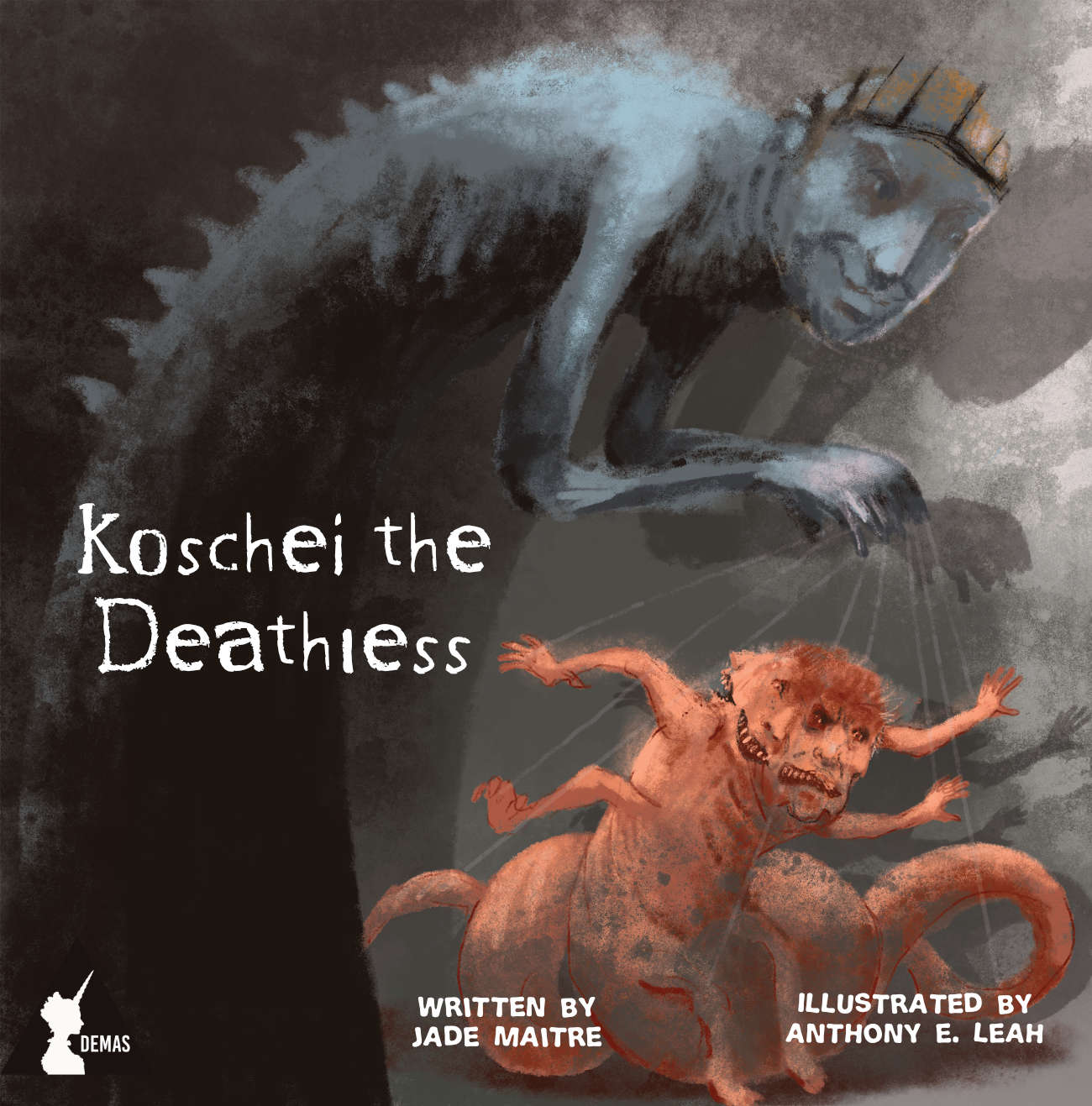
Koschei the Deathless
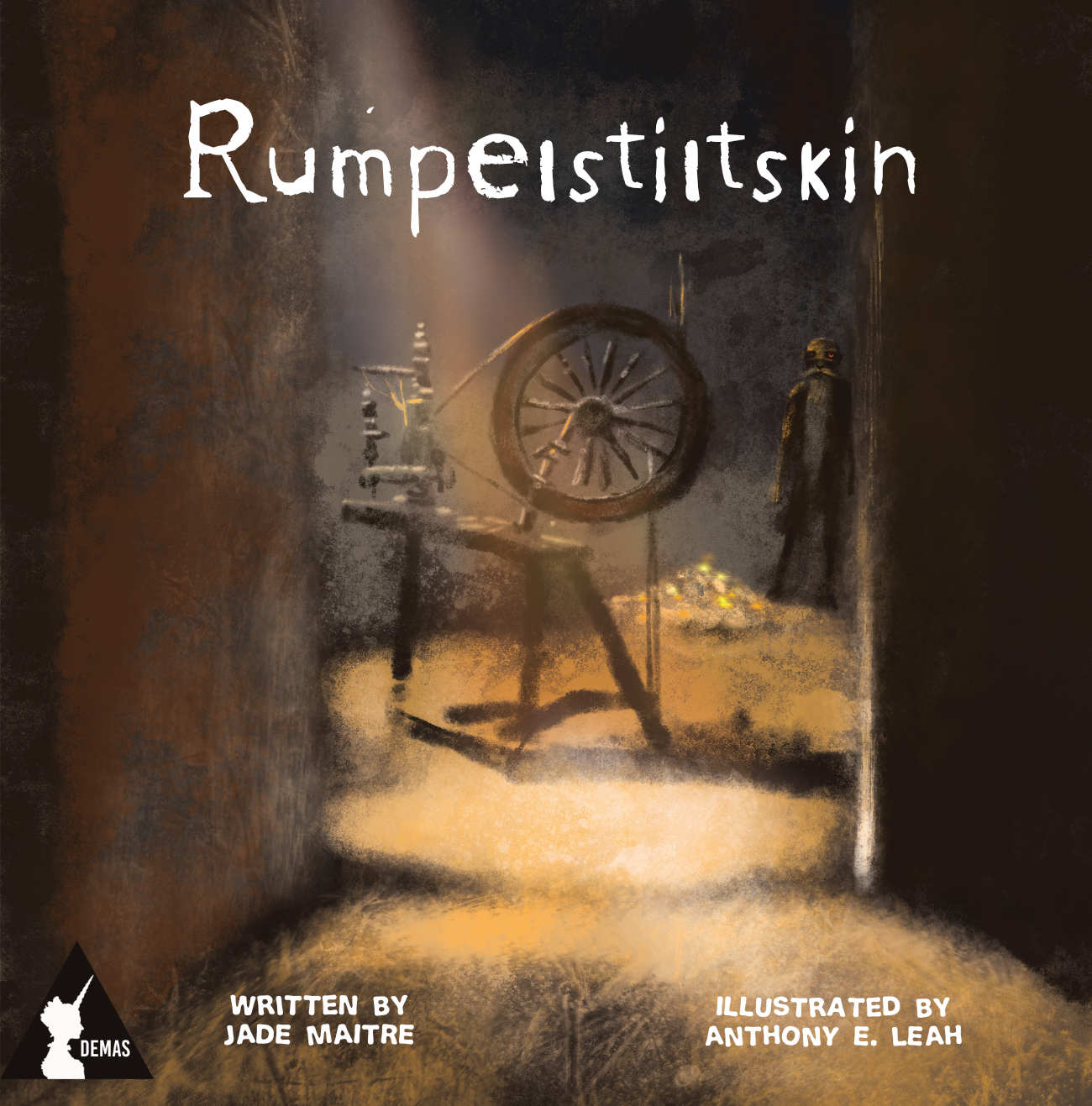
Rumpelstiltskin
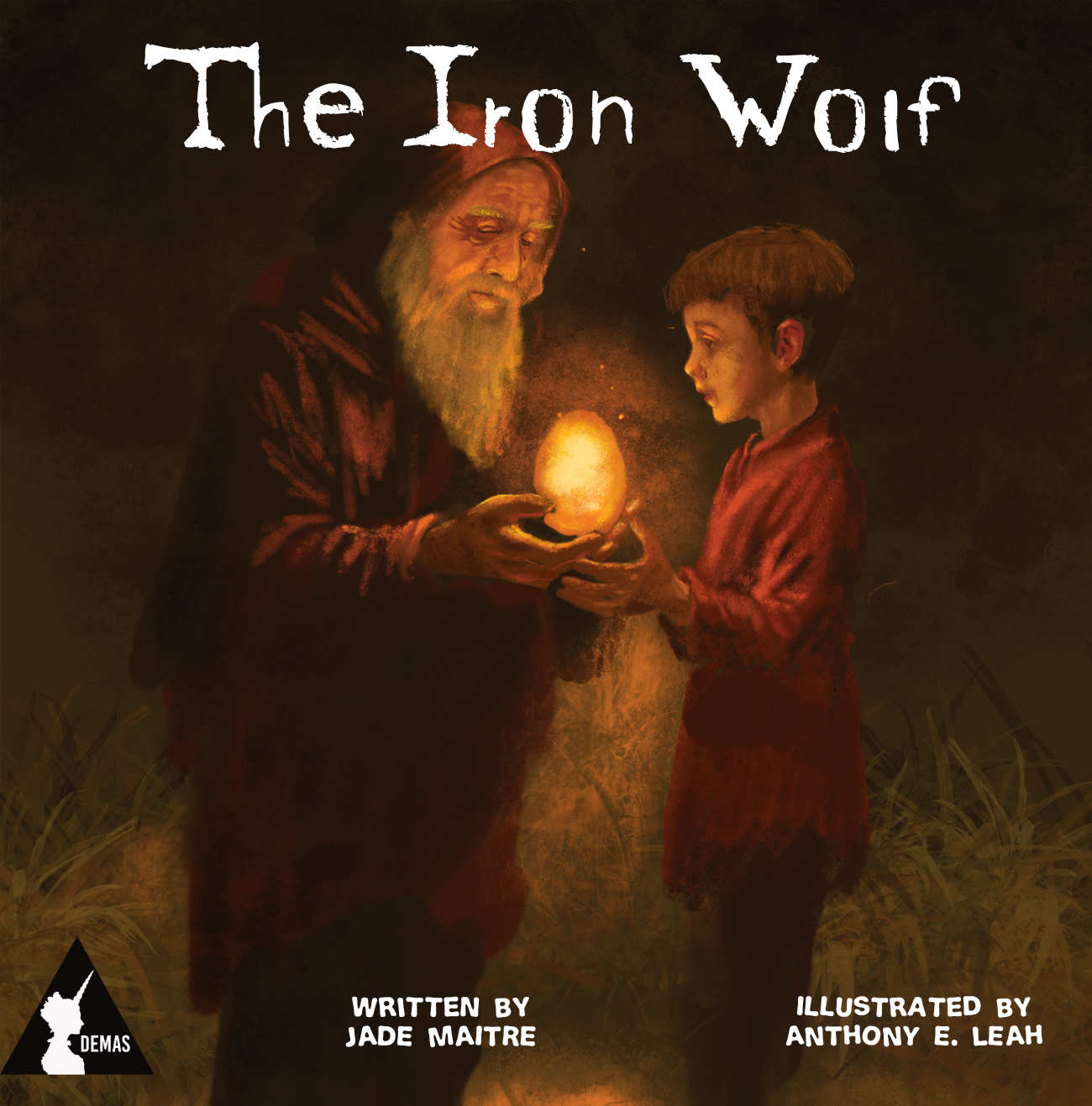
The Iron Wolf
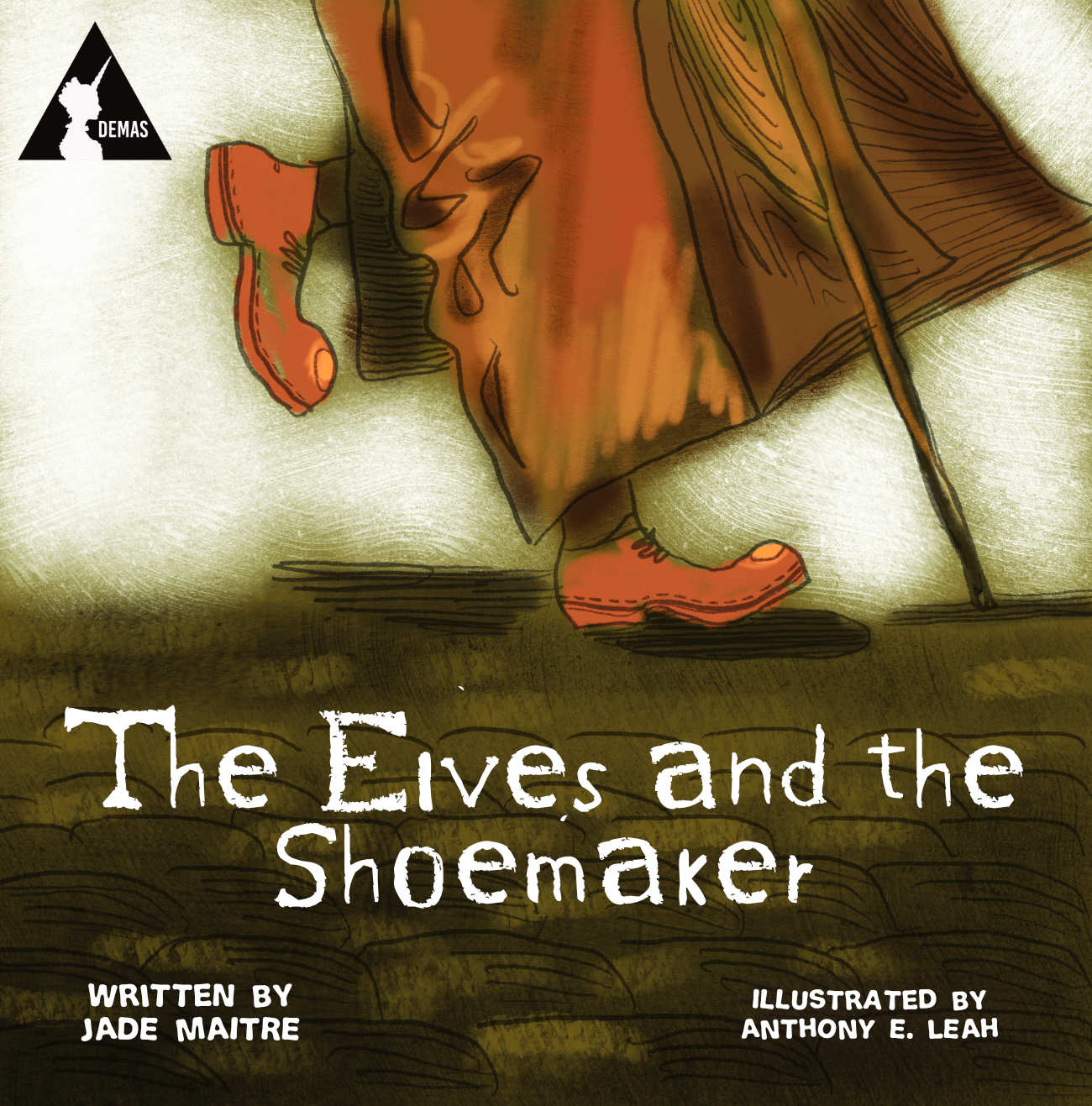
The Elves and the Shoemaker

The Three Billy Goats Gruff
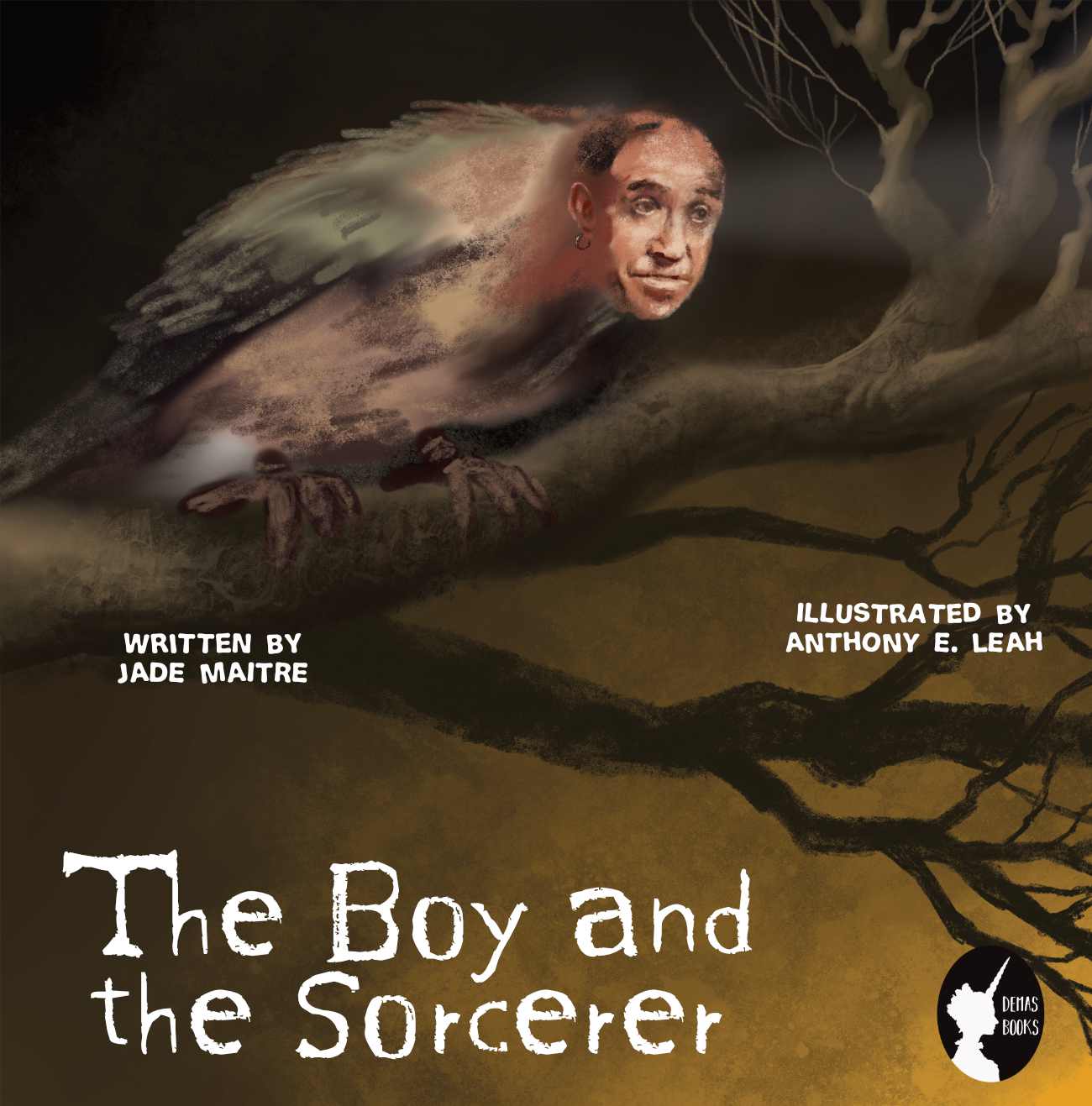
The Boy and the Sorcerer
Brothers Grimm Fairy Tales
Read classic Brothers Grimm fairy tales, from enchanted journeys and clever heroes to witches, wolves and magical transformations.
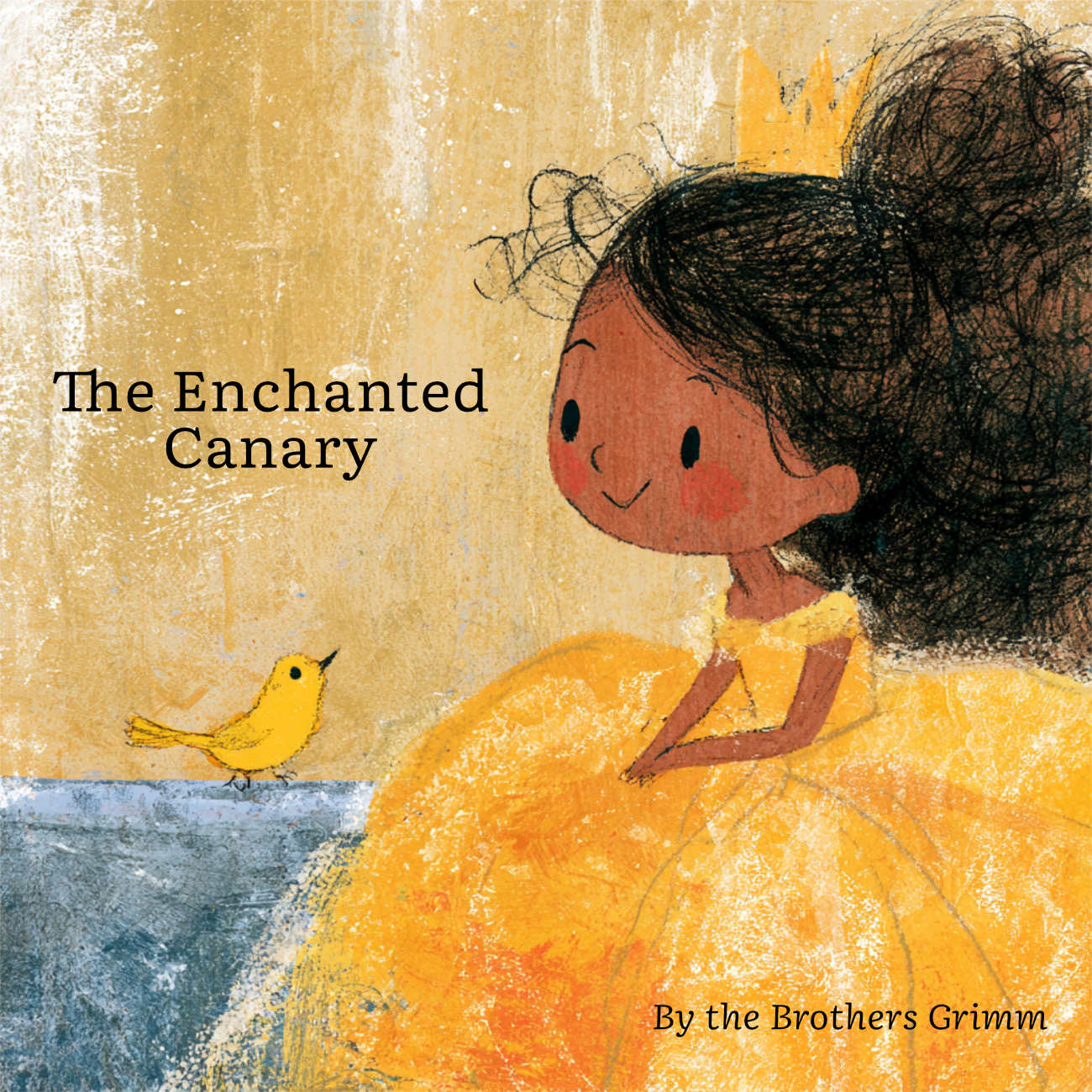
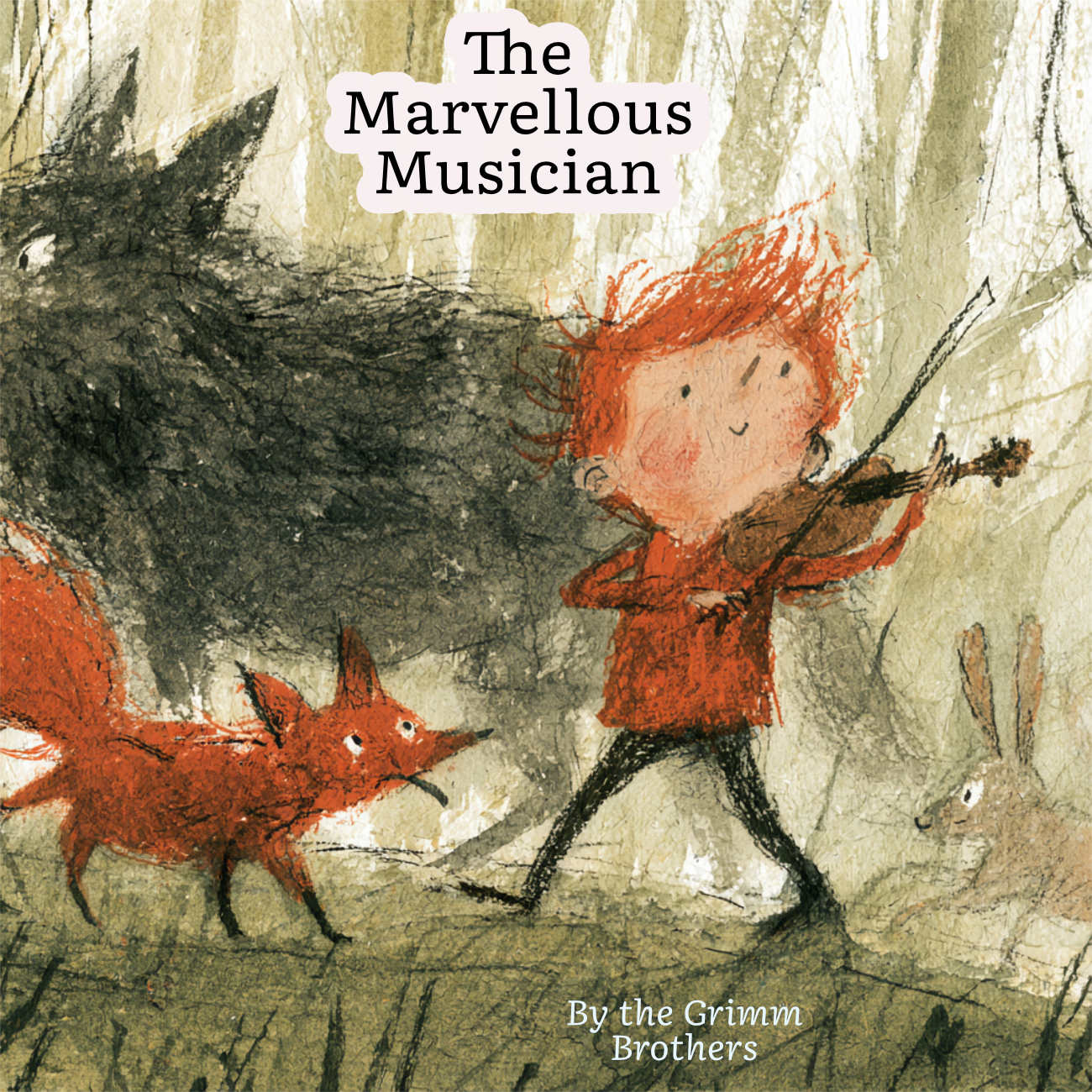
The Marvellous Musician
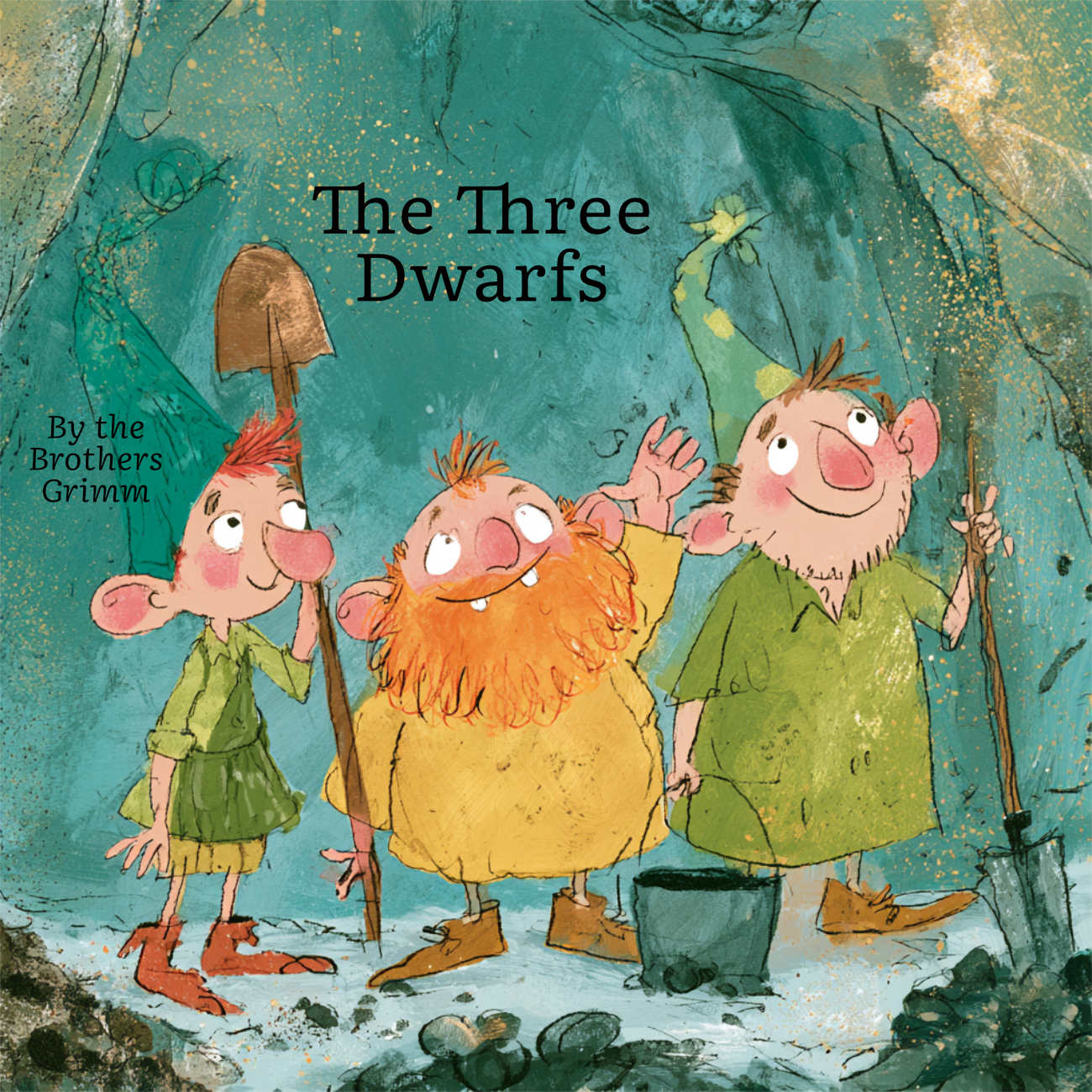
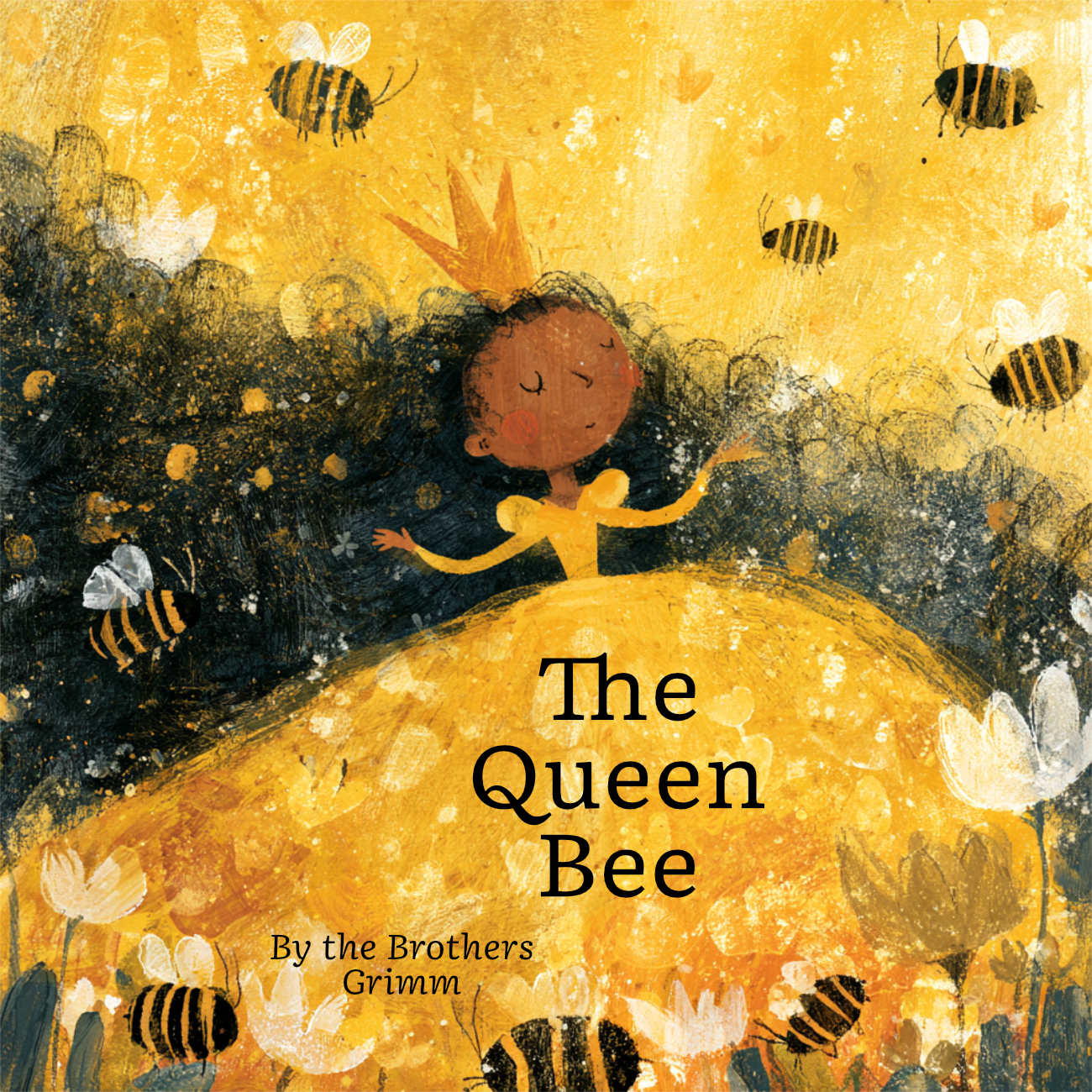
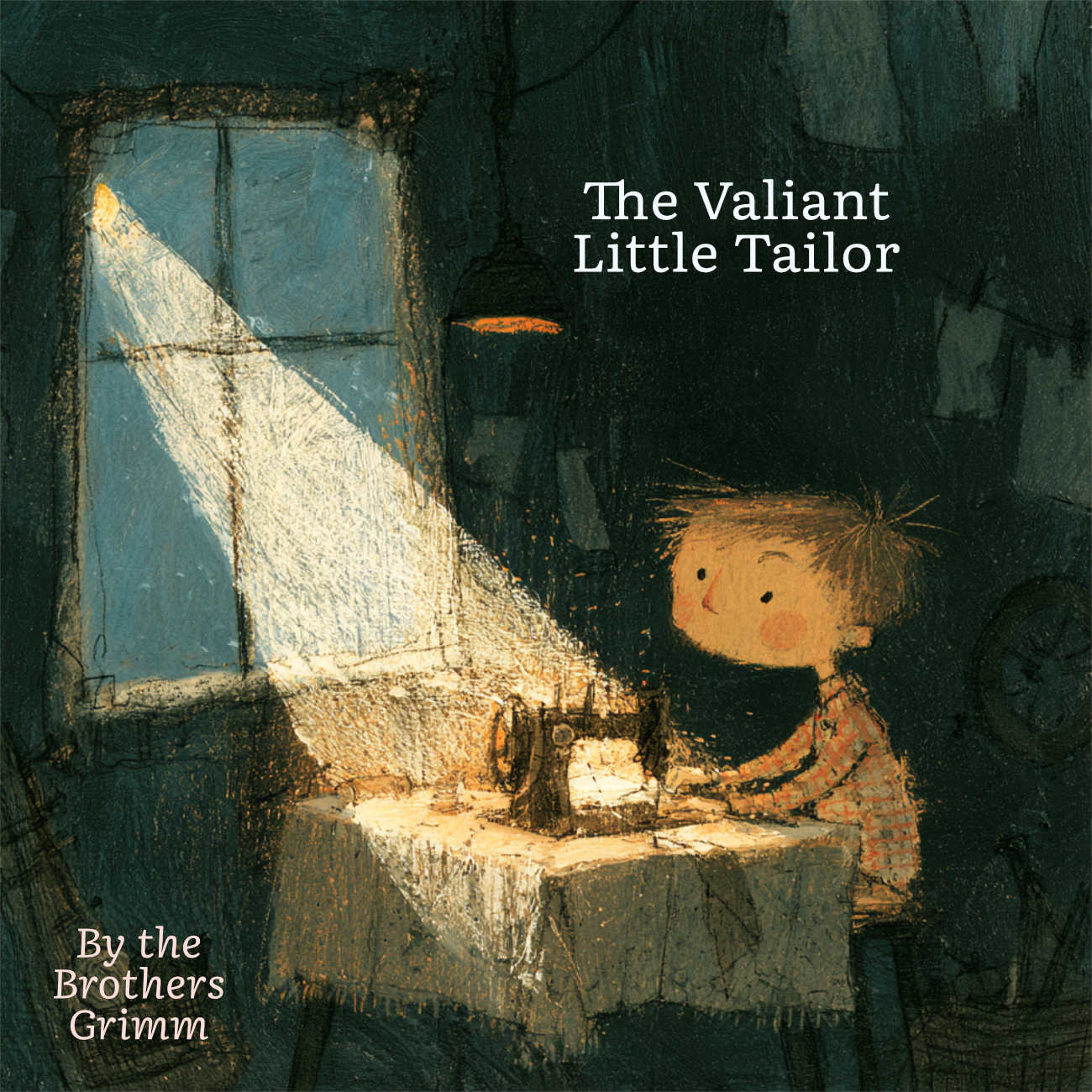
The Valiant Little Tailor
French Fairy Tales
Discover French fairy tales and folktales featuring enchanted worlds, clever characters, royal adventures and memorable moral lessons.

Beauty and the Beast

Chanticleer

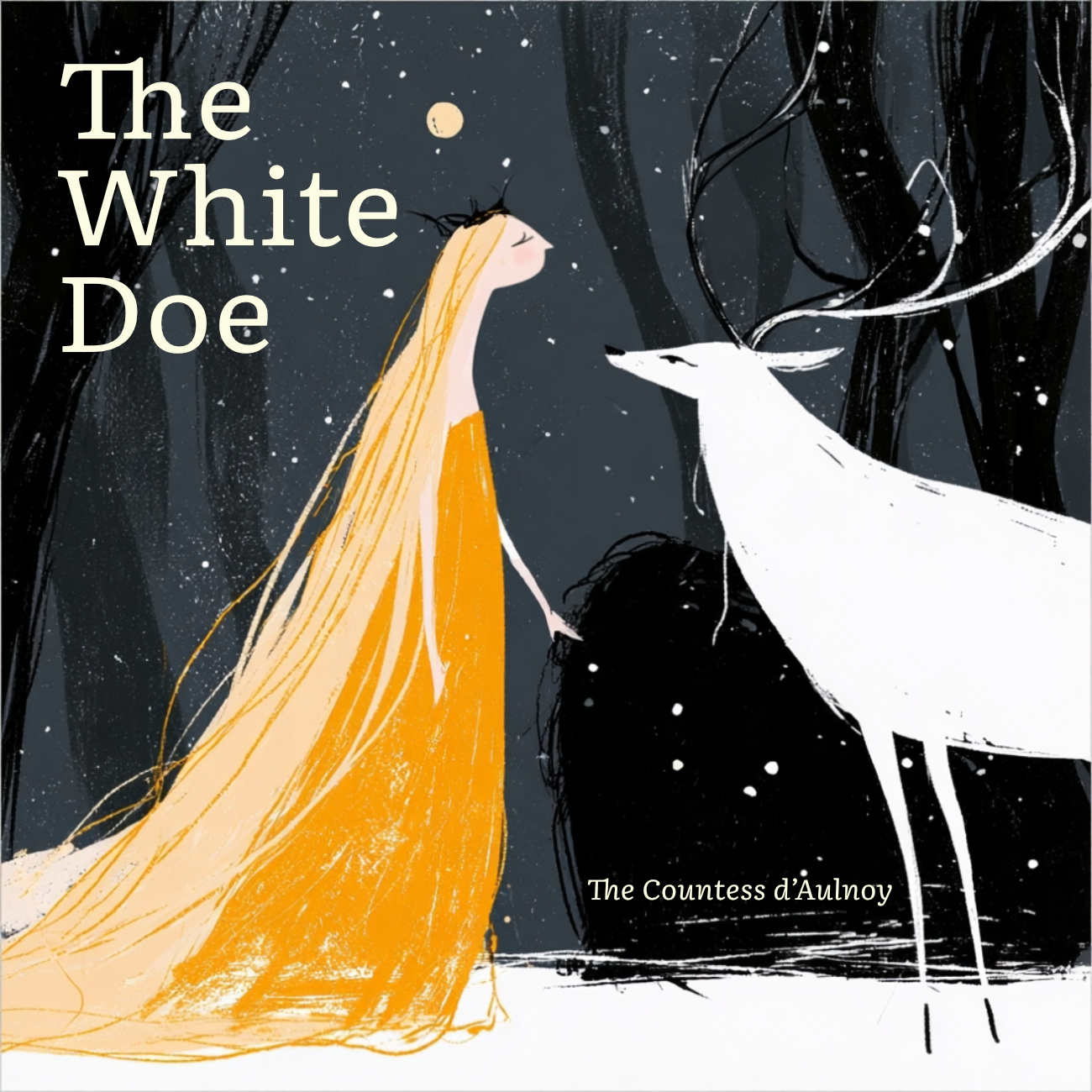
The White Doe
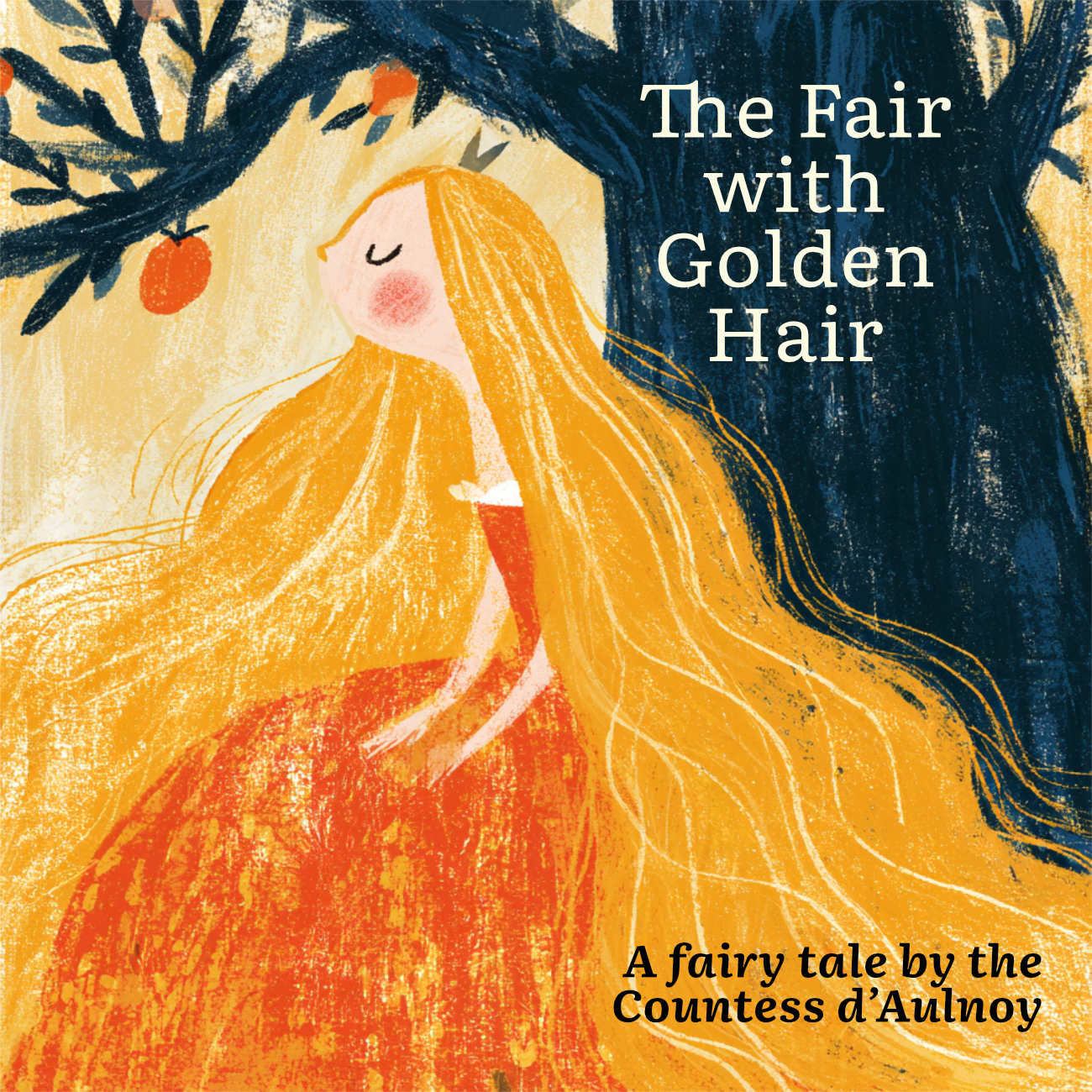
The Fair With Golden Hair
English Fairy Tales
Read traditional English fairy tales and folktales filled with giants, magic, mischievous characters and classic storytelling.
Rumpelstiltskin
The Three Billy Goats Gruff
The Boy and the Sorcerer

Seven At One Blow

The Silver Grass Circle of Valbonne

Six Go Through The World
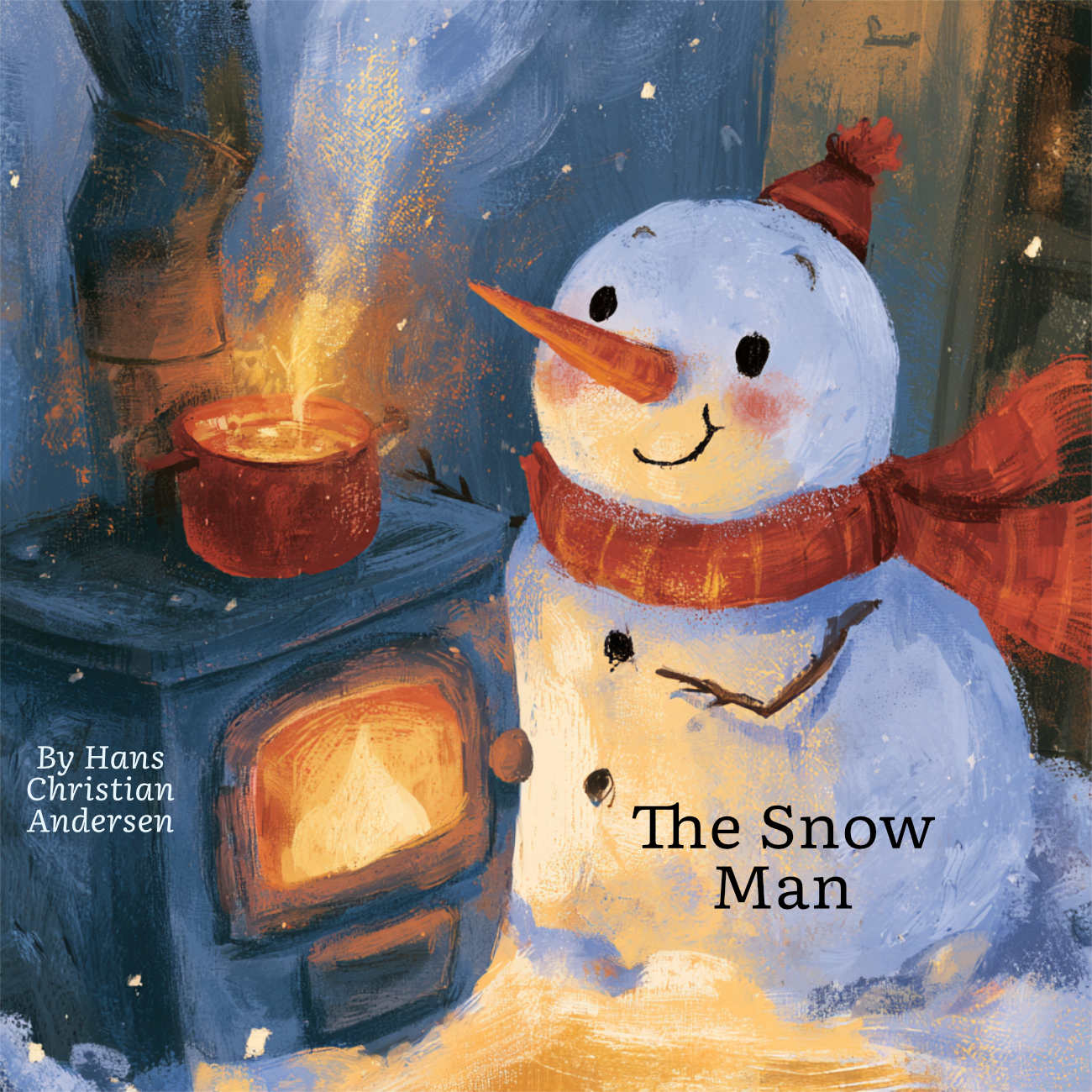
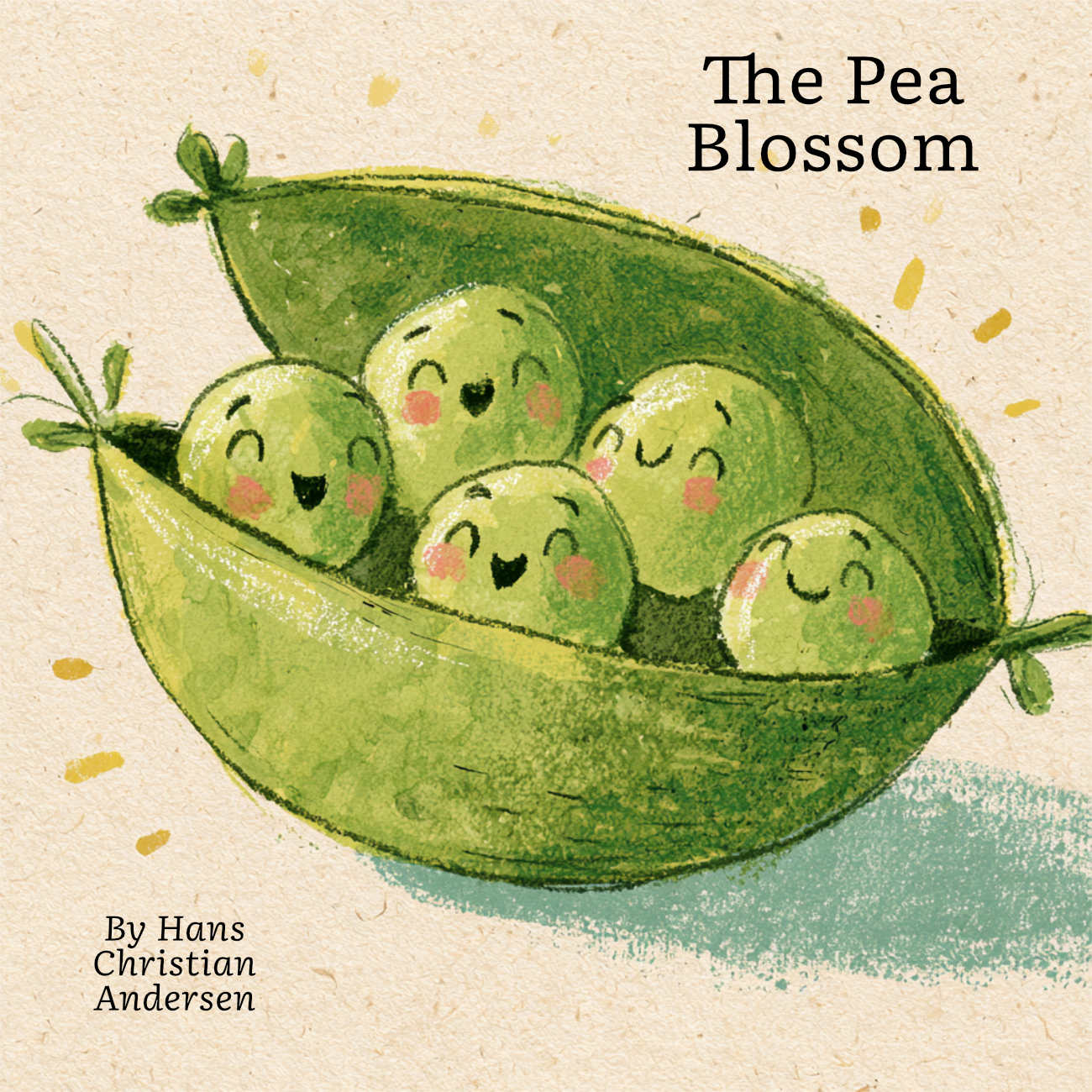
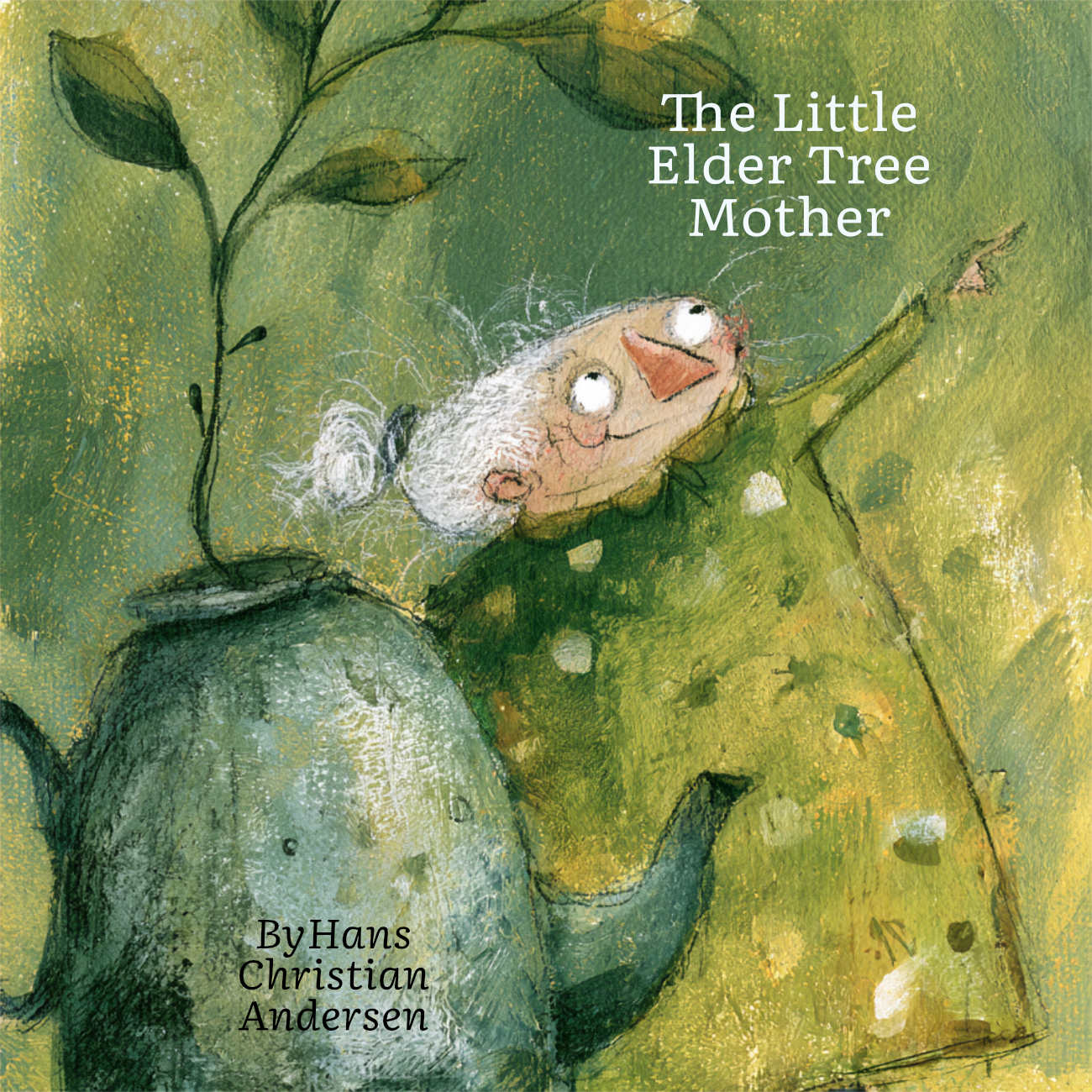
Hans Christian Andersen Fairy Tales
Explore Hans Christian Andersen fairy tales, including imaginative classics about love, courage, transformation and the extraordinary hidden inside everyday life.

The Mermaid Princess
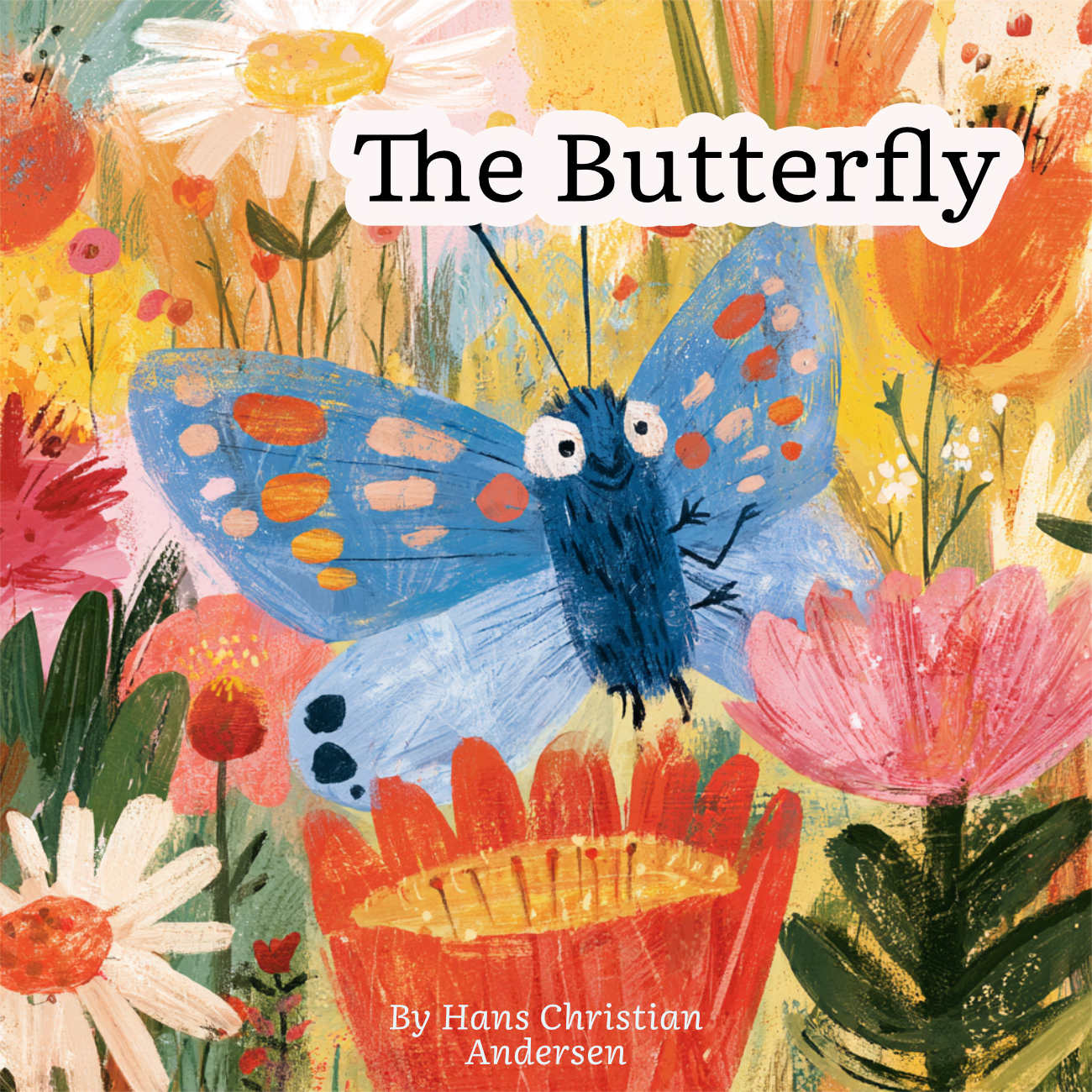
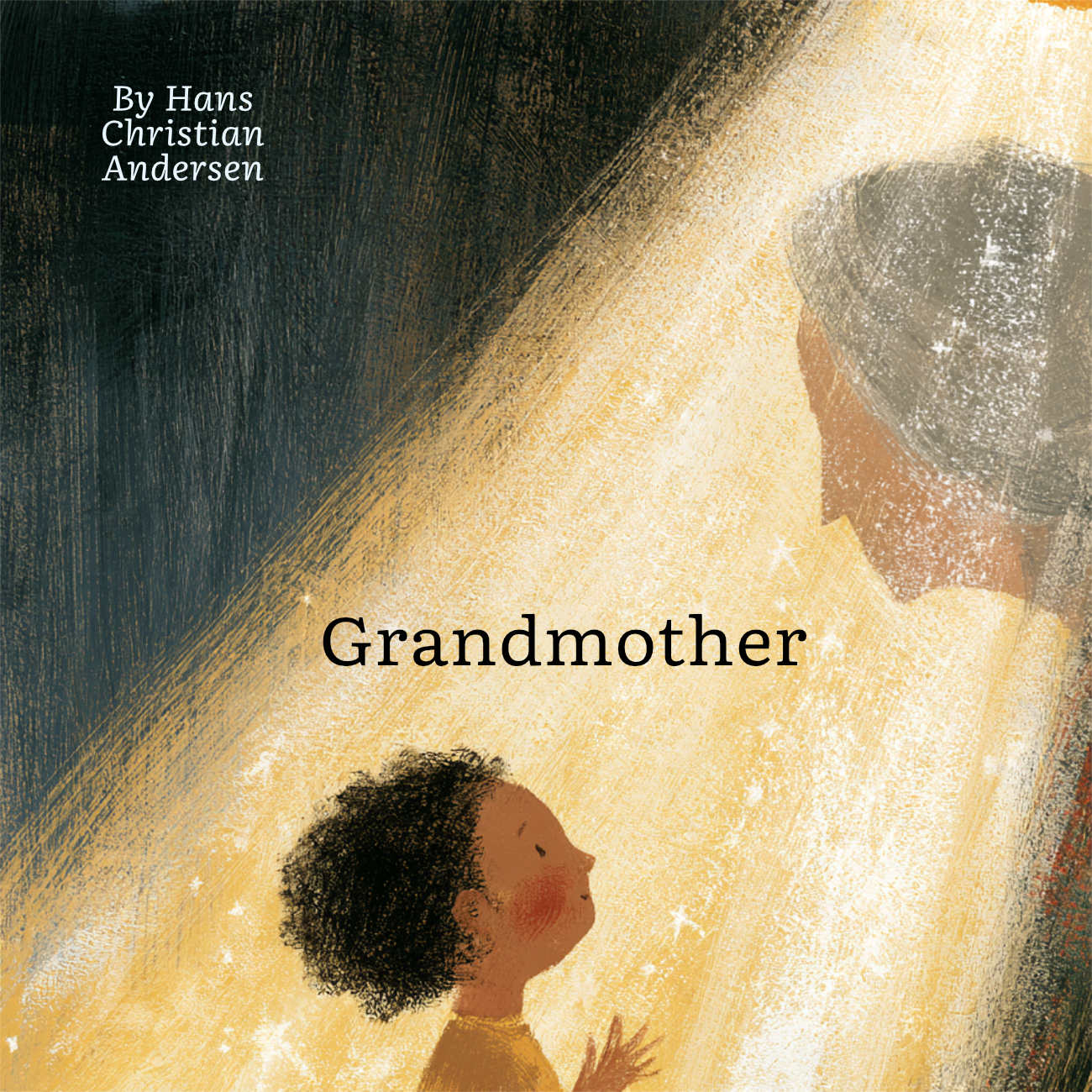
Grandmother
Oscar Wilde Fairy Tales
Read Oscar Wilde fairy tales for children, celebrated for their beauty, emotion, imagination and thoughtful reflections on kindness and generosity.
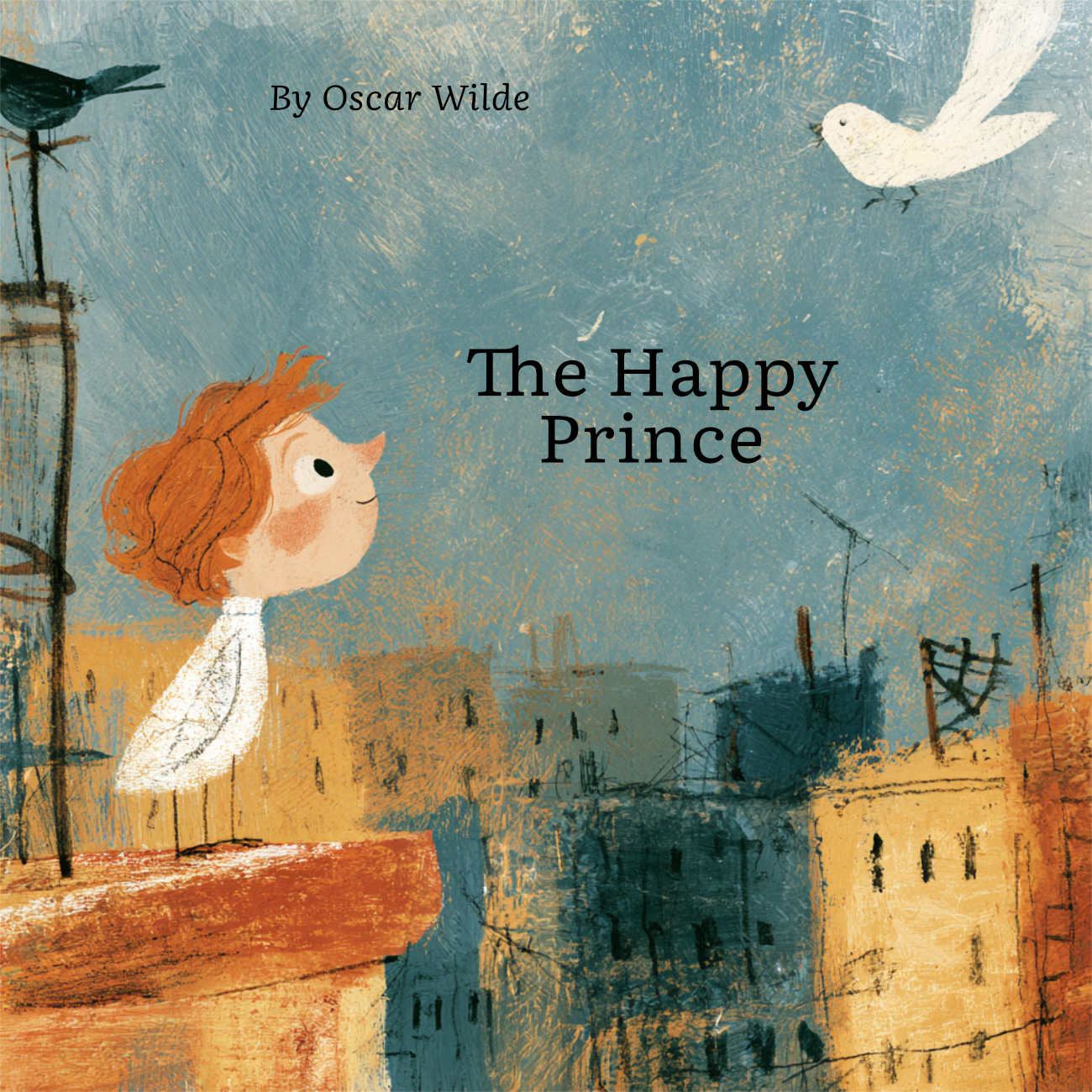
The Happy Prince

The Star Child

The Nightingale and the Rose
Ukrainian Fairy Tales
Discover Ukrainian fairy tales and folktales rich in folklore, magical creatures, brave characters and traditional storytelling.
Koschei the Deathless
The Iron Wolf
The Kingdom of the Sea Tsar

Mykyta the Skin-Wringer

Ivasyk Little Stick

The Brave Life of Little Pea
German Fairy Tales
Explore German fairy tales and folktales featuring enchanted forests, magical helpers, clever heroes and centuries-old storytelling traditions.

The Twelve Dancing Princesses

The Wolf and the Seven Little Goats
The Silver Grass Circle of Valbonne

Don’t Laugh in Bungelos Street
The Marvellous Musician
Chinese Folk Tales
Read Chinese folk tales for kids featuring wisdom, humour, legendary characters, animals, magic and stories passed down through generations.
How Molo Stole the Lovely Rose-Red
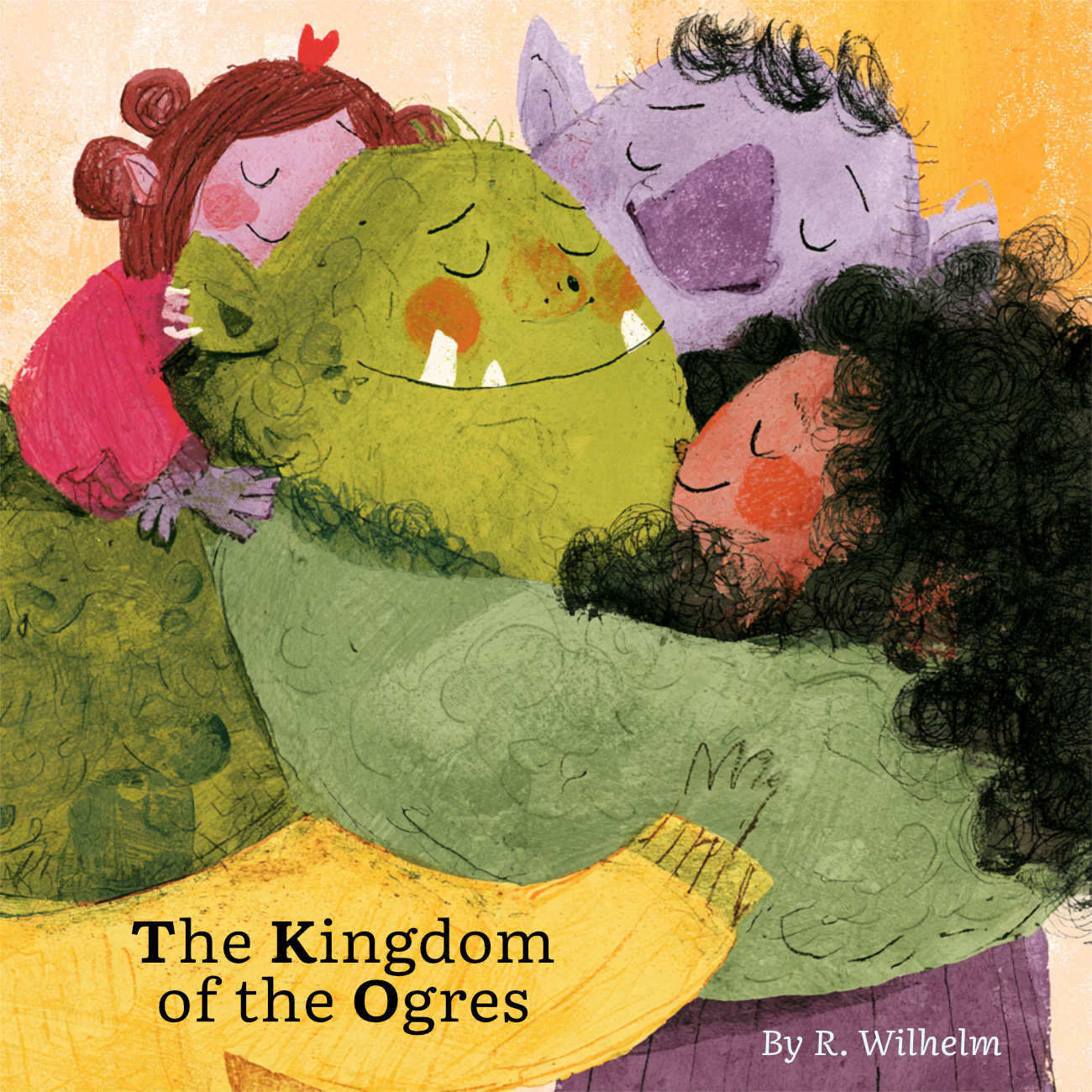
The Kingdom of the Ogres
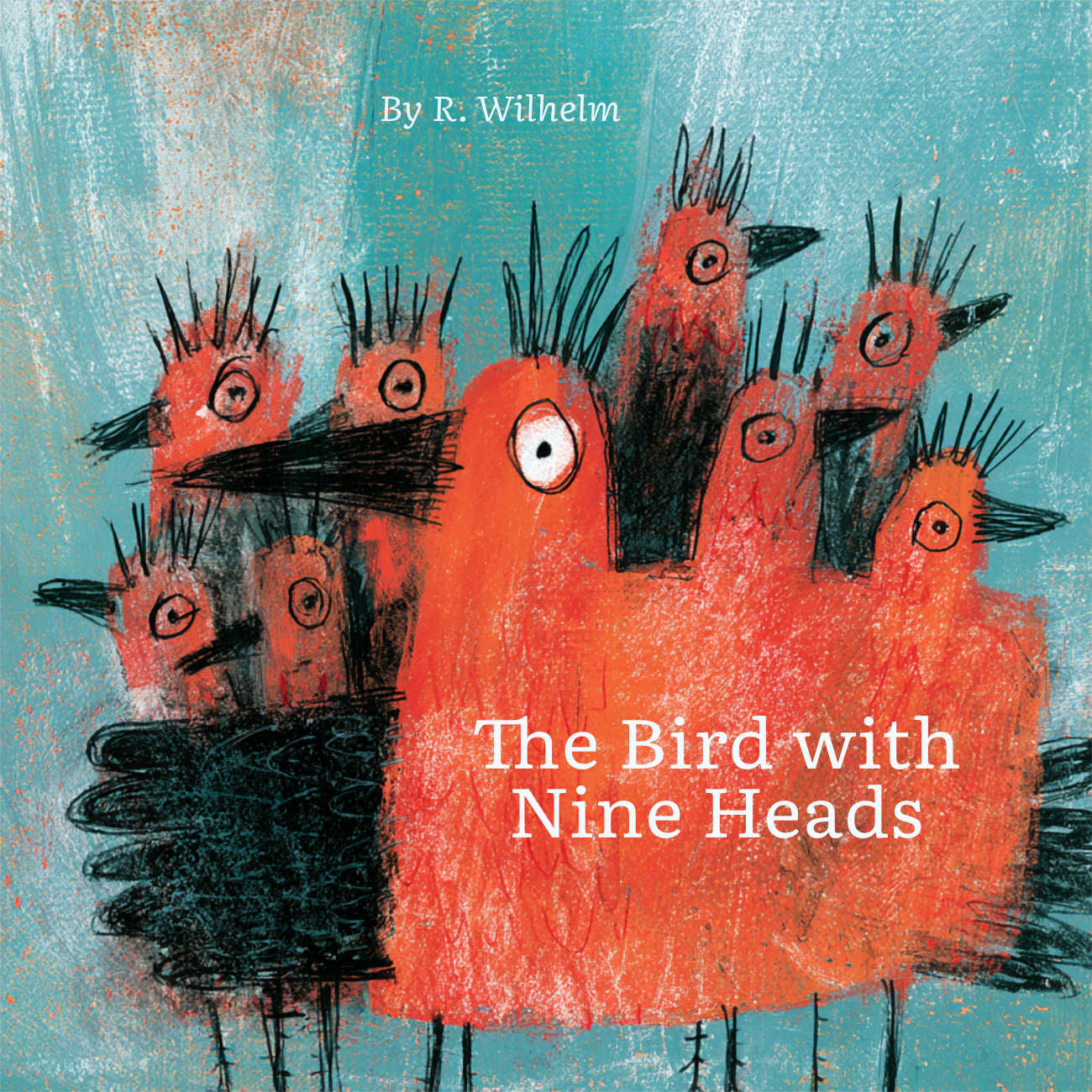
The Bird with Nine Heads
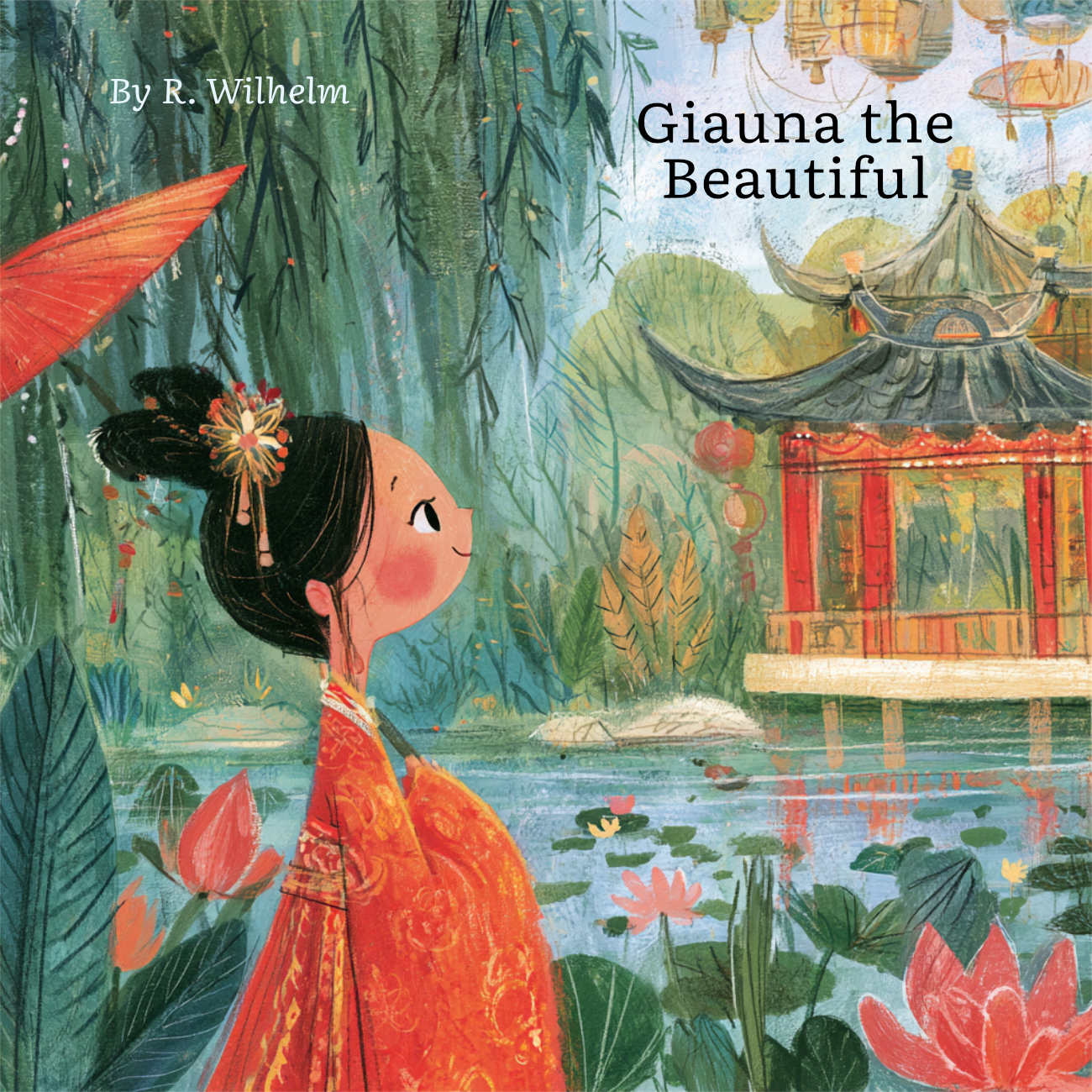
Giauna the Beautiful
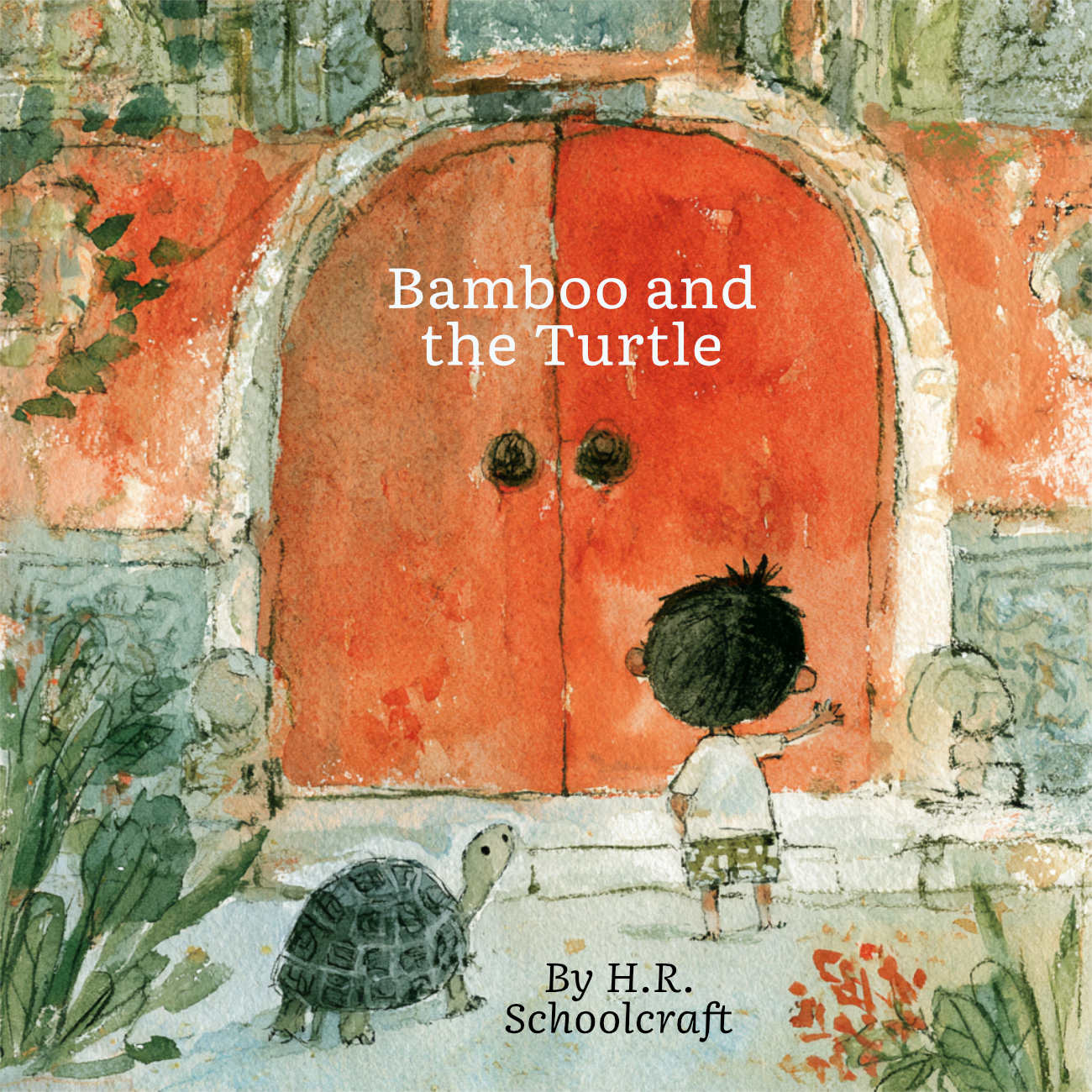
Bamboo and the Turtle
Norse Myth and Legend
Discover Norse myths and legends for children, with gods, heroes, giants, magical creatures and adventures from the ancient North.

The Cursed Treasure of Fafnir
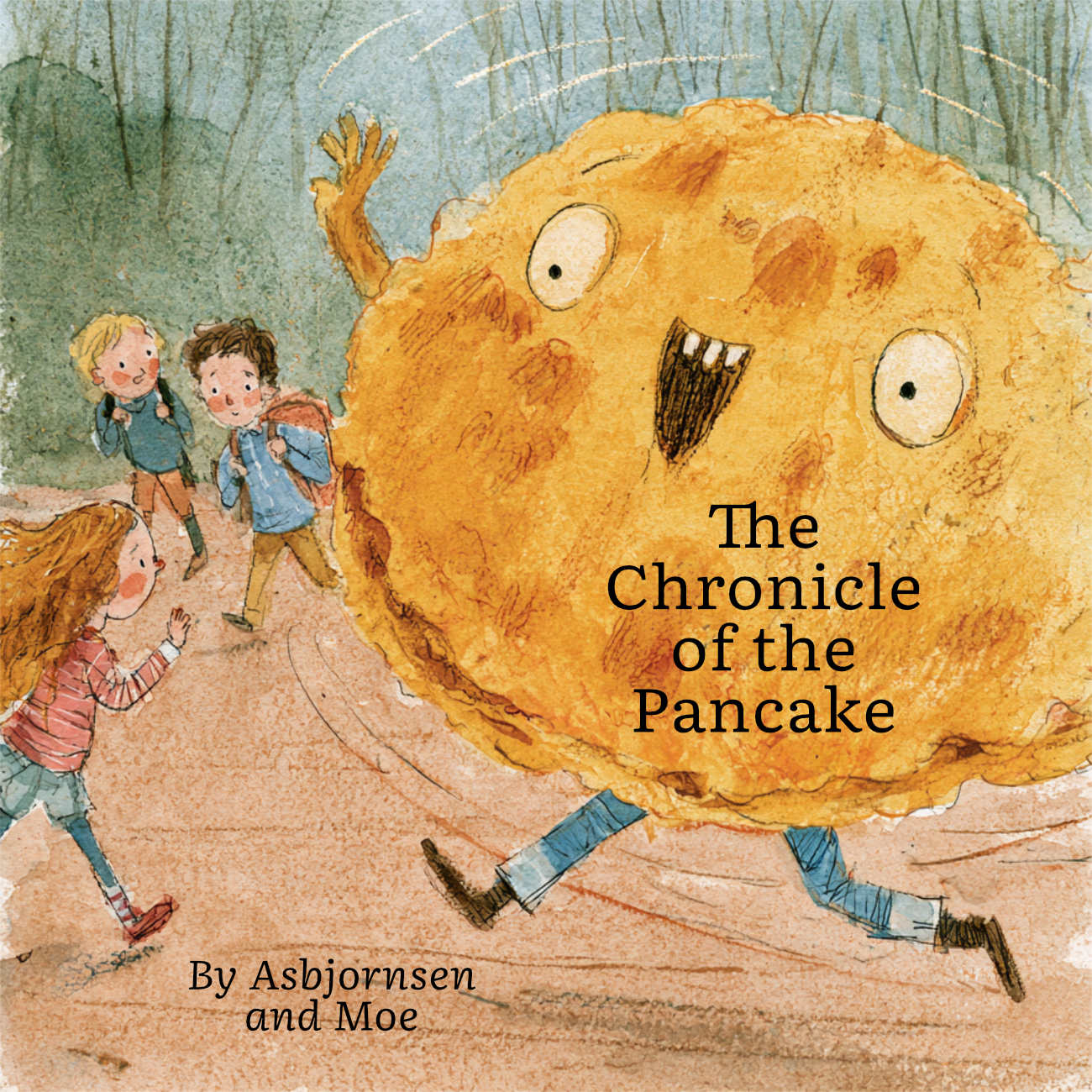
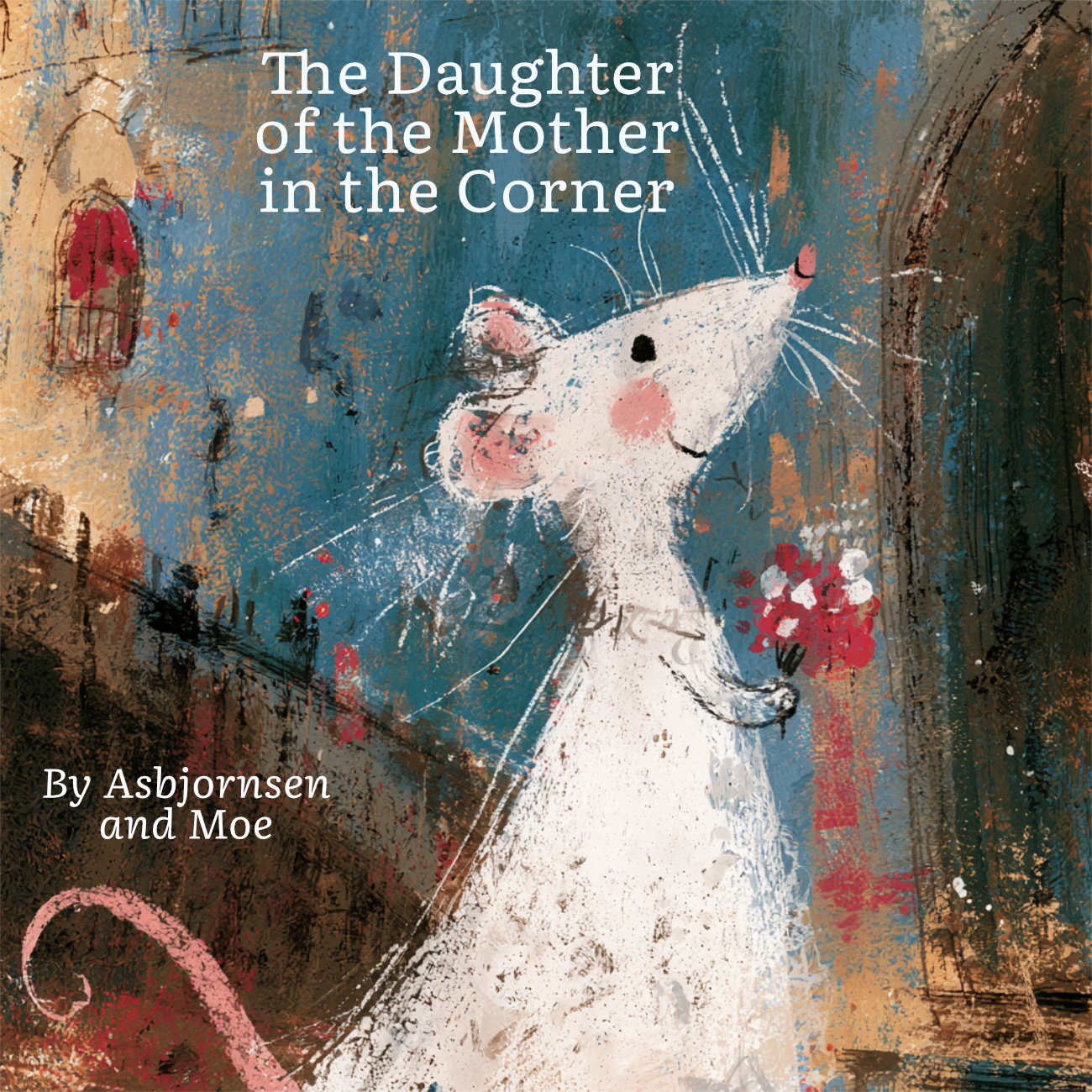
The Daughter of the Mother in the Corner
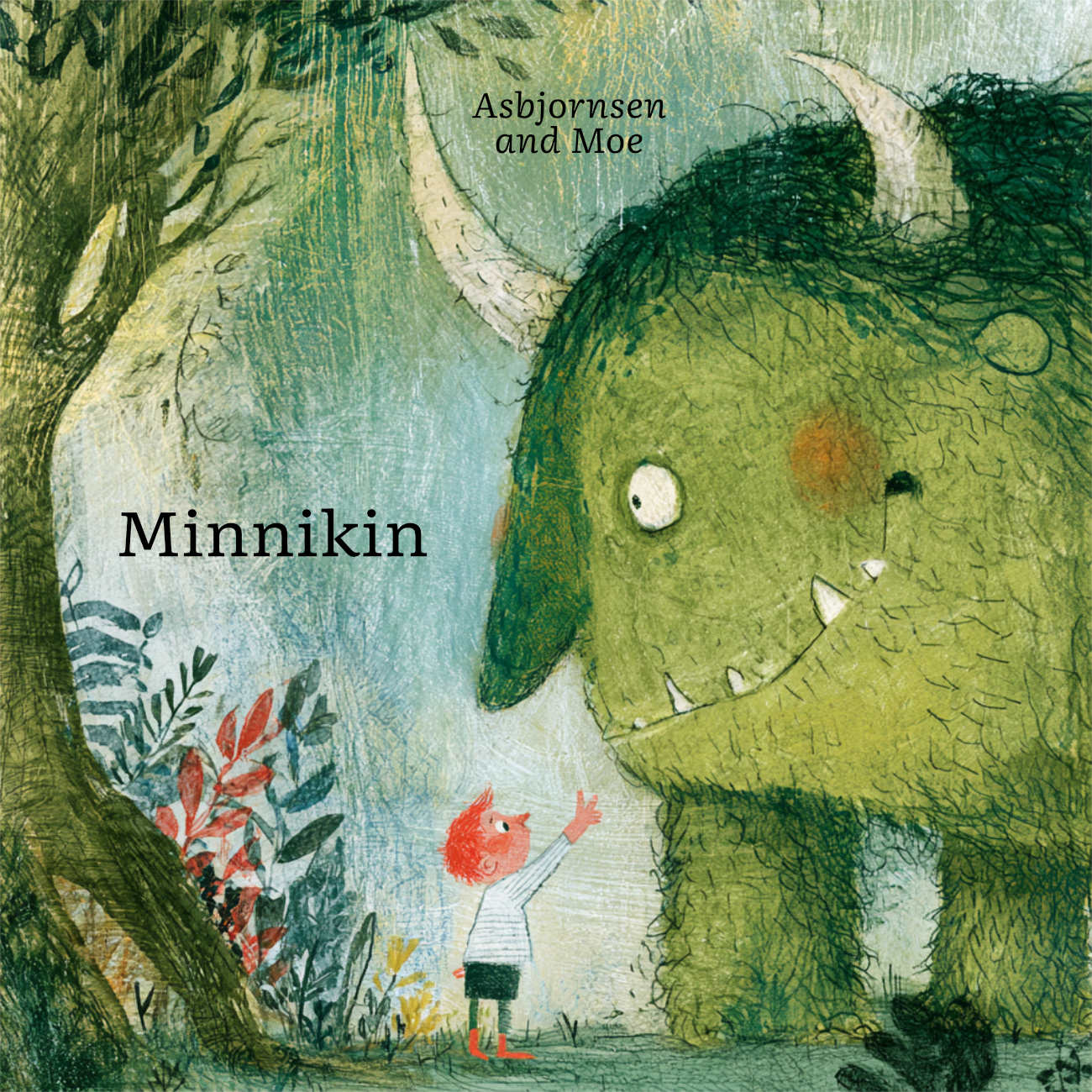
Japanese Fairy Tales
Explore Japanese fairy tales and folktales filled with animals, spirits, kindness, courage and imaginative traditional stories.
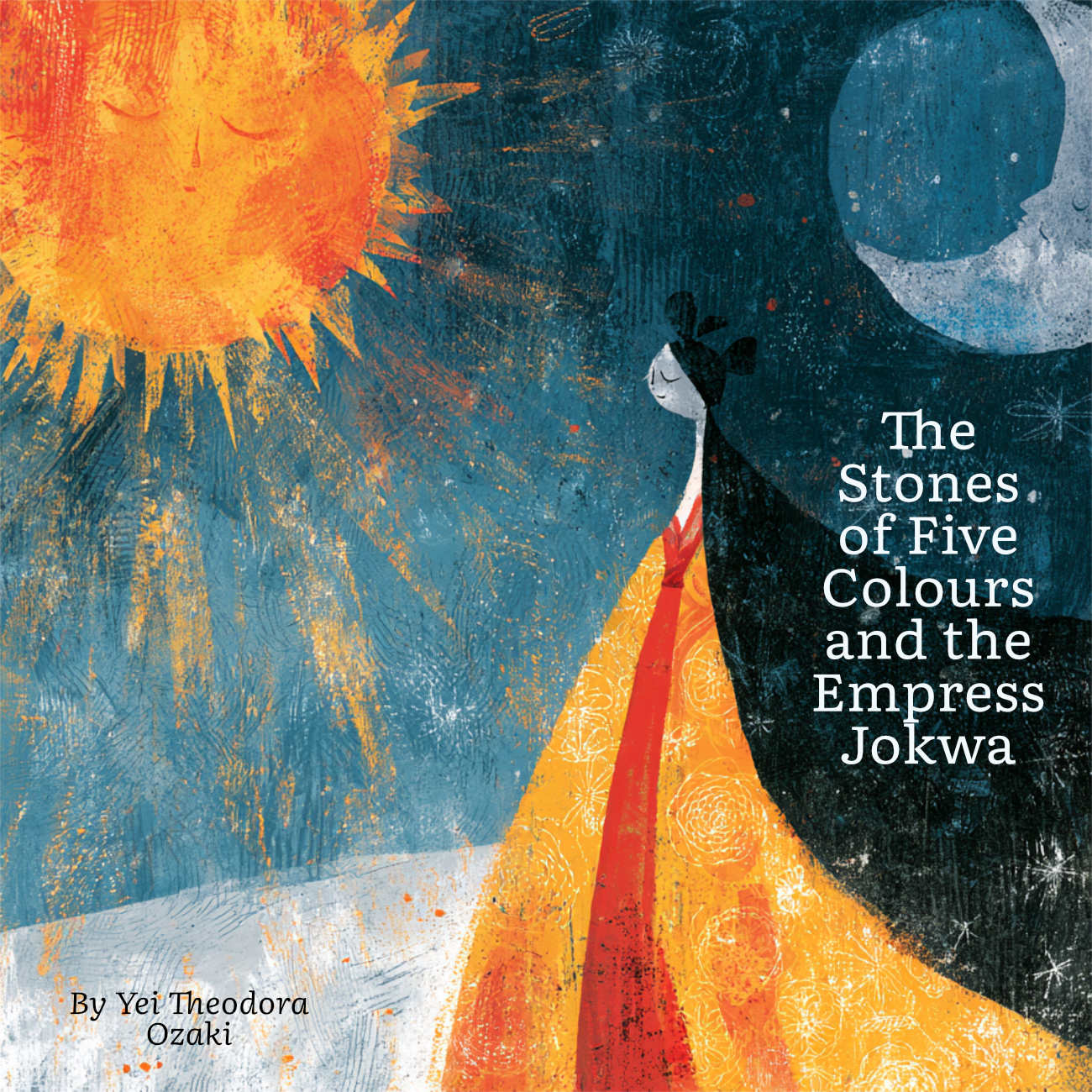
The Stones of Five Colours and the Empress Jokwa
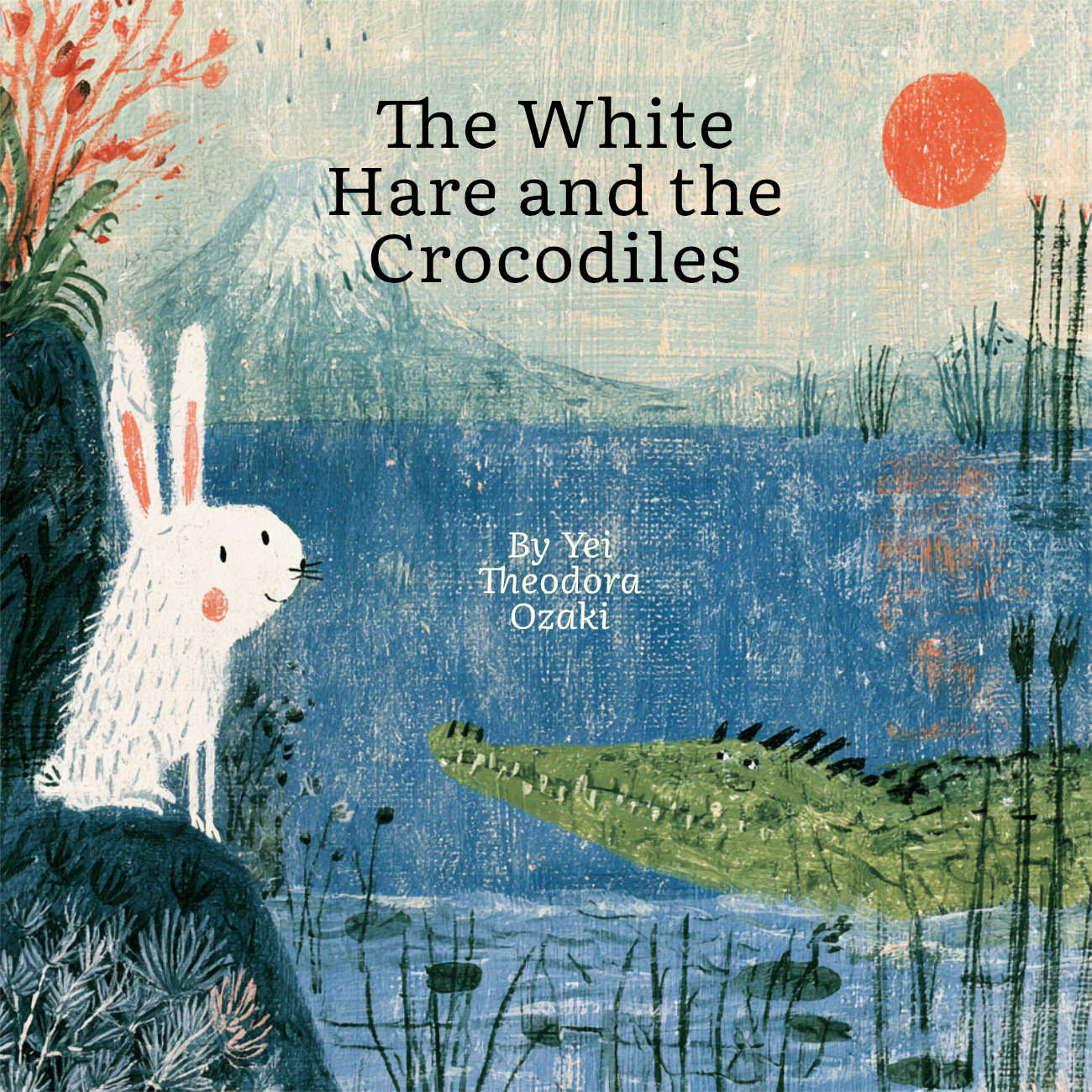
The White Hare and the Crocodiles
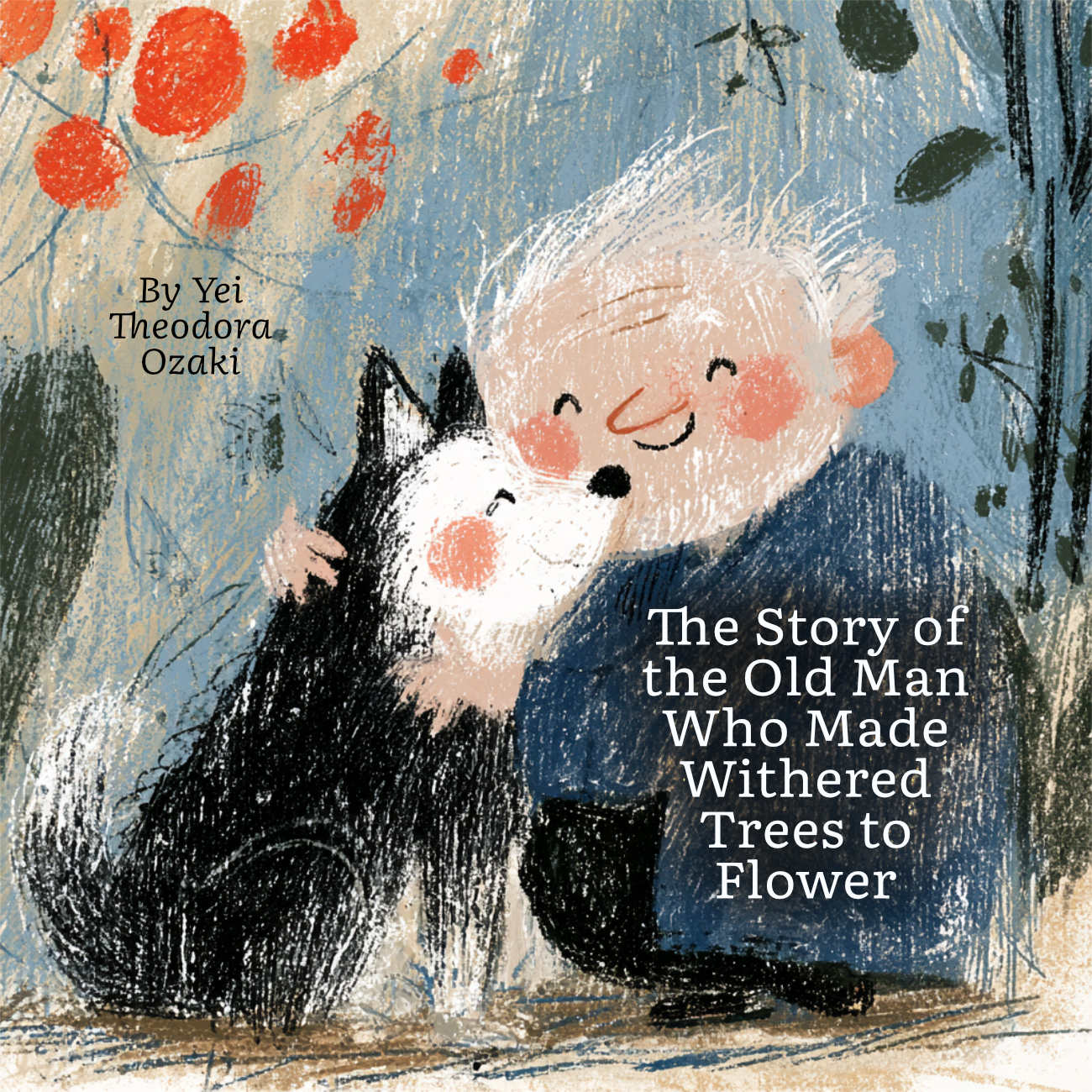
The Story of the Old Man Who Made Withered Trees to Flower
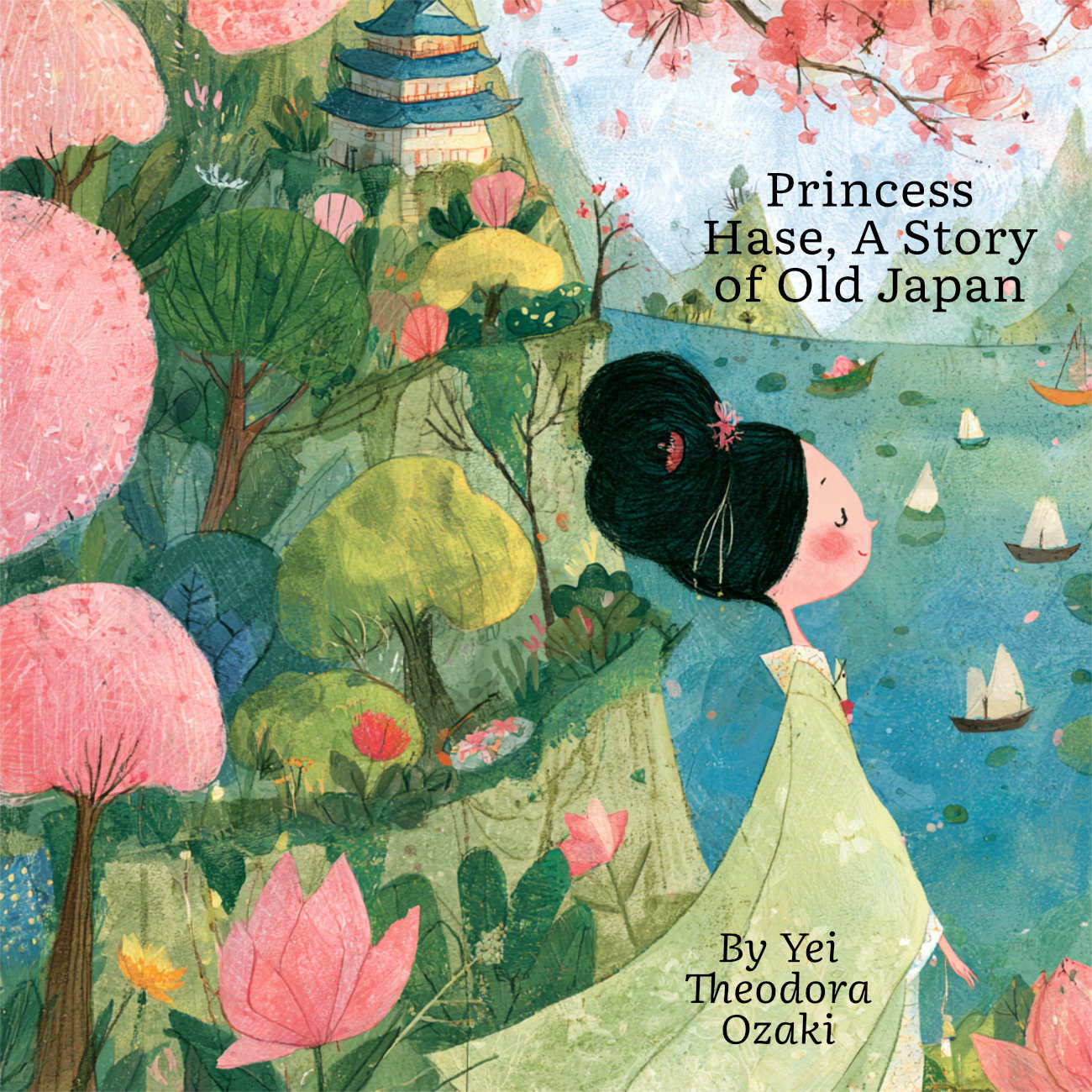
Princess Hase, a Story of Old Japan
Scottish Fairy Tales
Read Scottish fairy tales and legends featuring magical beings, brave heroes, mysterious landscapes and stories from Scotland’s rich folklore.

Tamlane
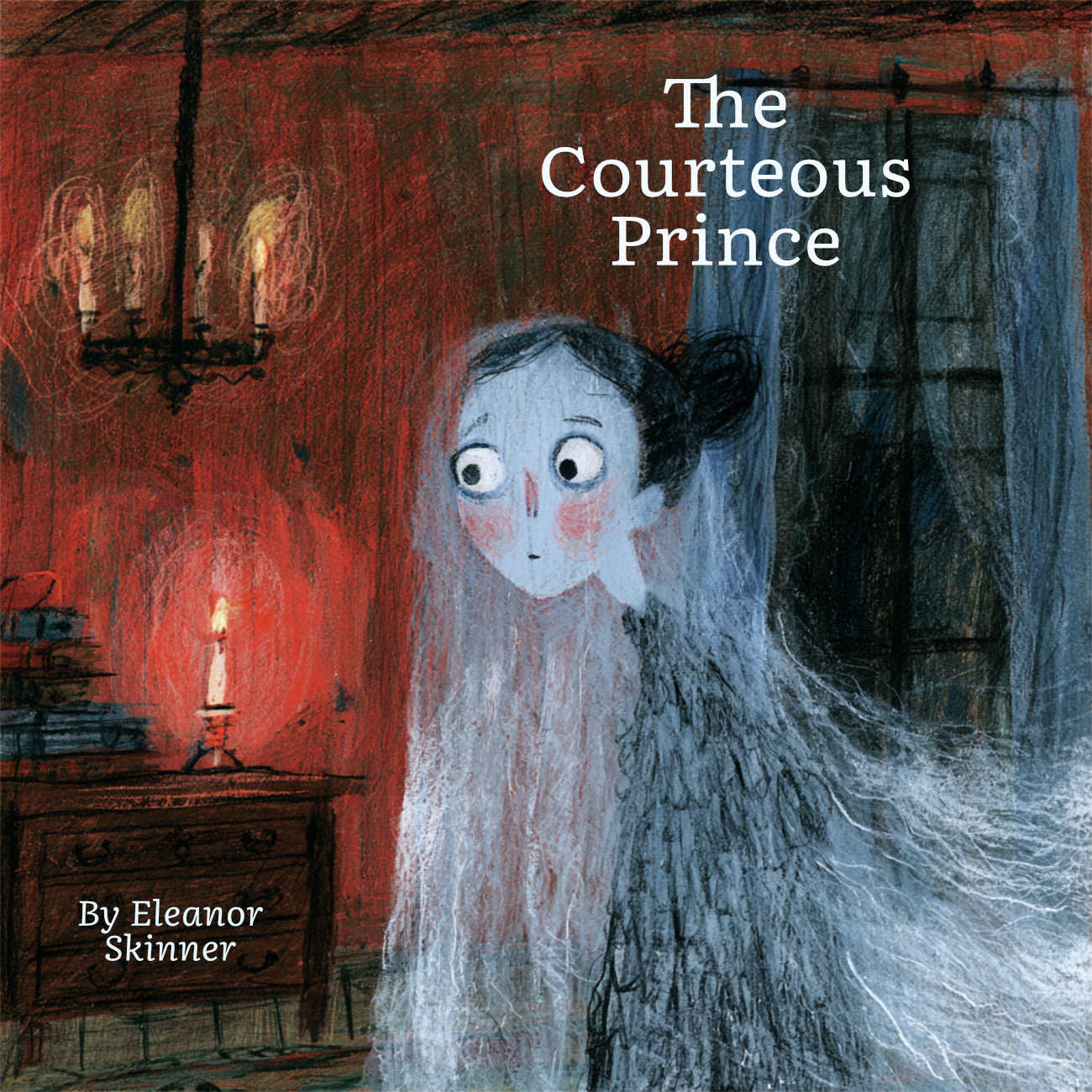
The Courteous Prince
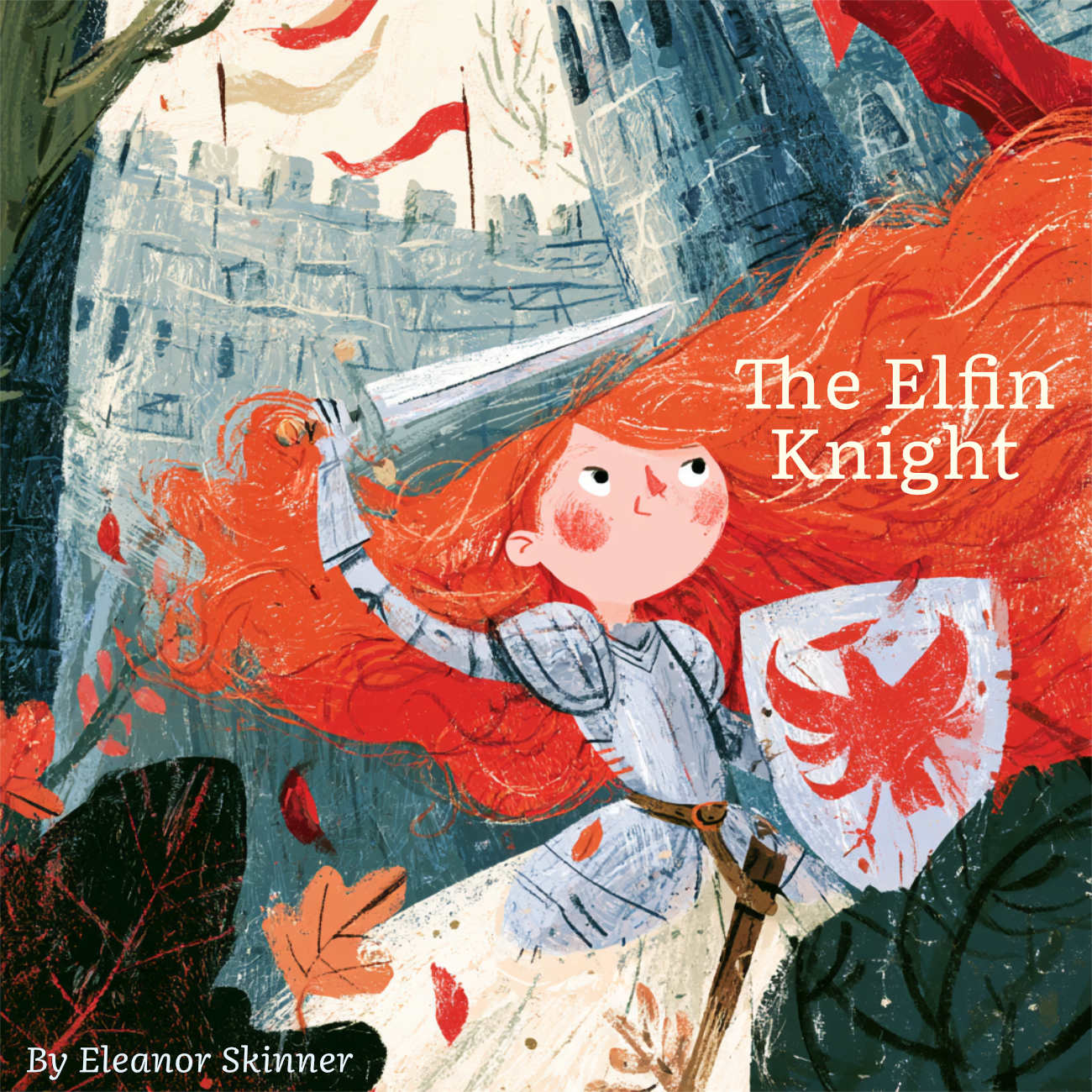
The Elfin Knight
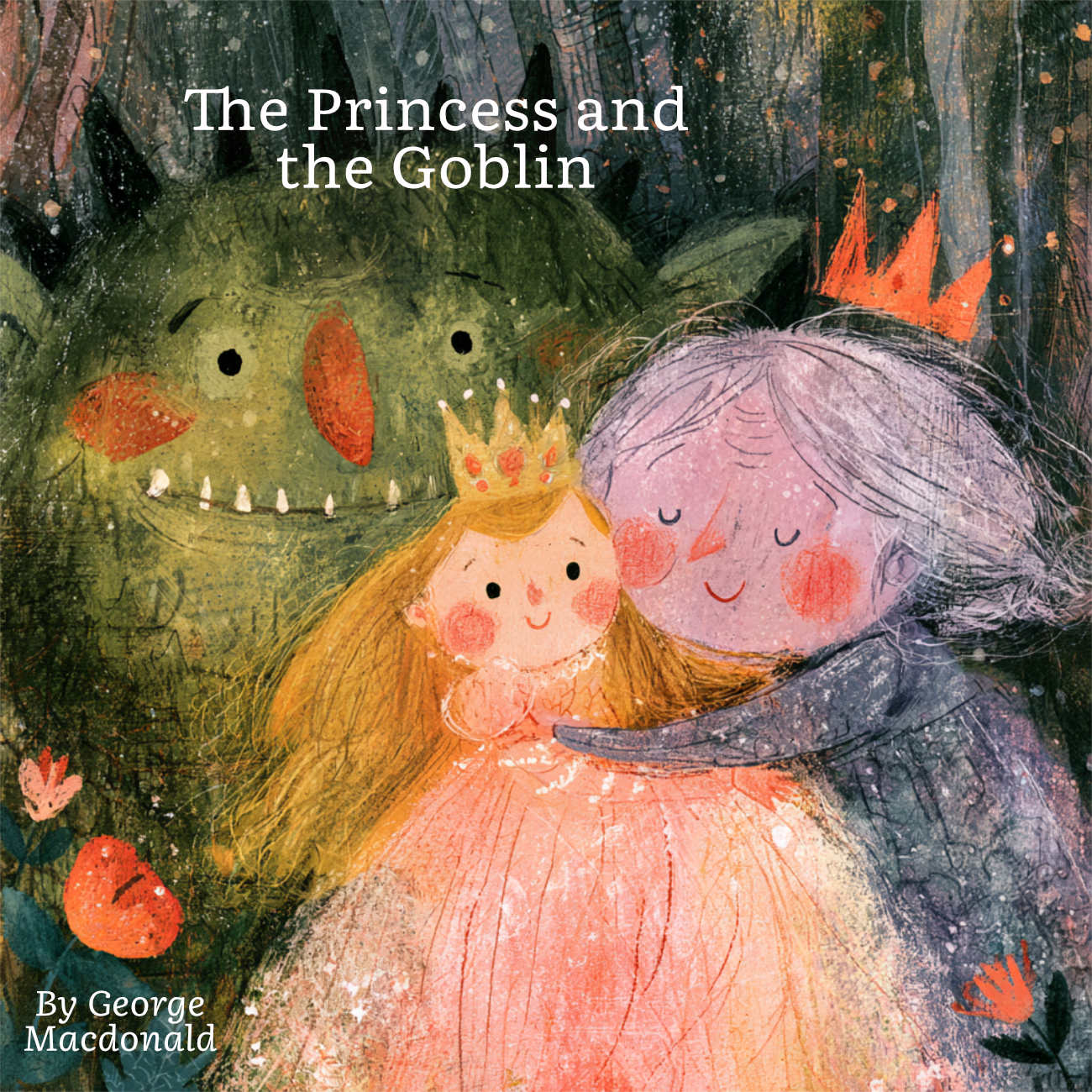
The Princess and the Goblin
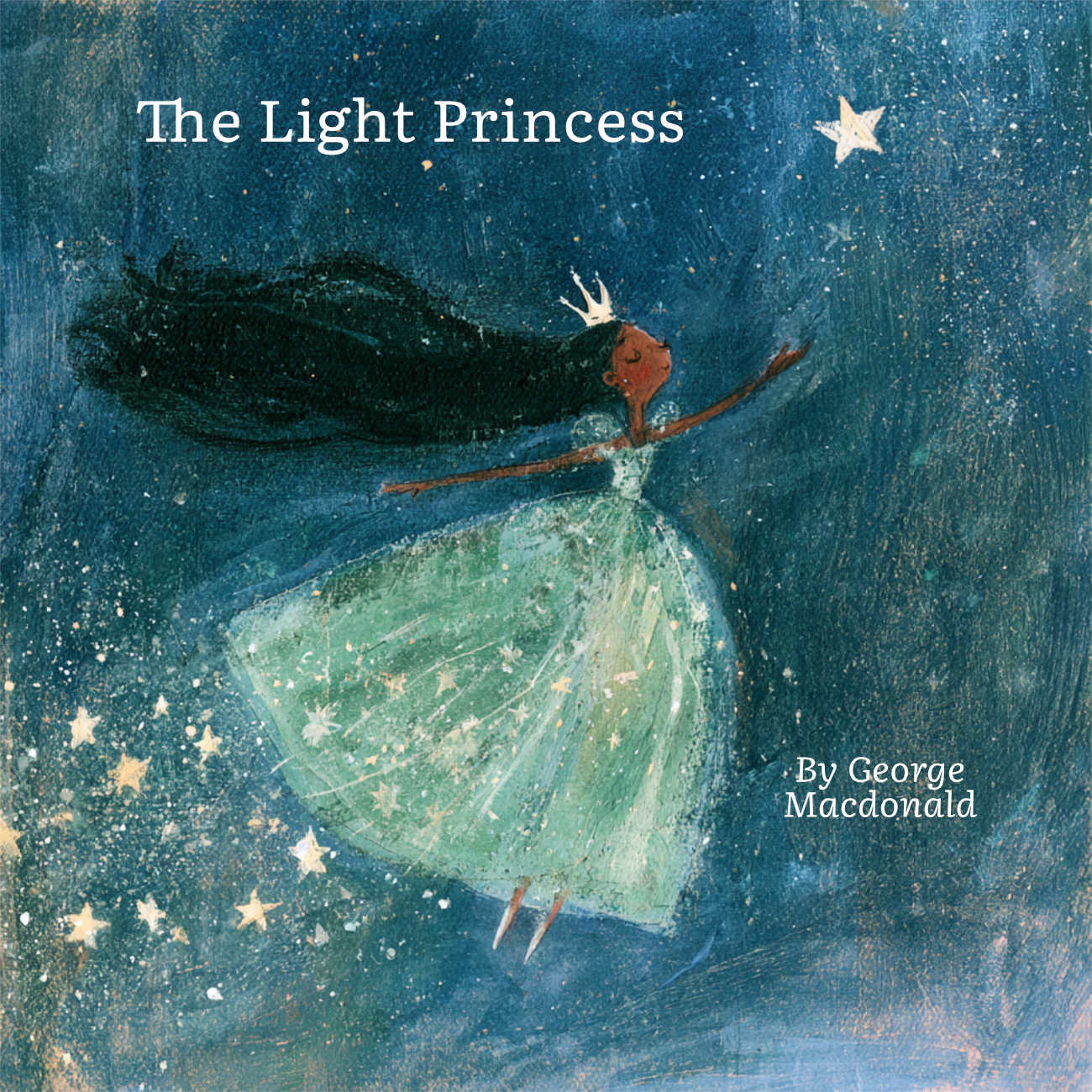
The Light Princess
Aesop’s Fables
Enjoy Aesop’s fables for kids: short, memorable animal stories that explore choices, consequences and simple life lessons.

The Raven Who Would Rival The Eagle
Baby’s Own Aesop
About Fairy Tales
Fairy tales have travelled through families and cultures for generations, carrying stories of magic, danger, transformation, kindness, cleverness and hope. Their impossible situations can give children a safe imaginative space in which to think about very real questions: What makes a choice fair? What happens when a character breaks a promise? When is courage useful? Can someone change?
Not every fairy tale has one simple lesson, and that is part of their richness. Children can compare characters’ choices, predict what might happen next, notice patterns, question an ending and discover that the same tale may be told differently in another place or time. Stories can open conversations about feelings and consequences without requiring a child to talk directly about their own experiences.
For parents, fairy tales can make lively read-alouds and starting points for conversations after the final page. For teachers, they are especially useful for sequencing, prediction, vocabulary, retelling, character motivation, comparing texts and creative writing. Storyberries includes both gentler fairy tales and darker traditional tales, so adults can choose stories with a child’s age, interests and sensitivities in mind.
Frequently Asked Questions About Fairy Tales
Fairy tales can help children explore choices, consequences, courage, kindness, fairness, fear and hope through imaginary situations. They also invite children to predict, question and interpret. Rather than treating every tale as a lesson with one correct answer, try asking what a character could have done differently, whose point of view is missing, or whether the ending feels fair.
Read them aloud, pause when a child wants to wonder about something, and let the conversation follow the story. You might ask what they think will happen next, which character they trust, what part surprised them, or how they would change the ending. Younger children often enjoy hearing a favourite tale many times; repeated reading can also support vocabulary, story memory and confidence with familiar language.
Fairy tales are useful for teaching story structure because children can identify beginnings, problems, turning points and endings. They also work well for sequencing, prediction, vocabulary, character motivation, point of view and comparing different versions of the same tale. A class can retell a story from another character’s perspective, modernise its setting, debate a character’s decision or write a completely new ending.
Some traditional fairy tales contain wolves, witches, danger, death or frightening consequences, and children respond to these elements differently. Age is only one guide; temperament and previous reading experience matter too. Adults can read an unfamiliar tale first, choose a gentler version when needed, or talk through troubling moments together. Storyberries separates many feel-good stories from darker fairy tales to make choosing easier.
Folktale is a broad term for traditional stories passed through communities and across generations. Fairy tales are one kind of traditional or literary tale and often include magic, enchantment, impossible tasks or extraordinary transformations. A fairy tale does not actually need to contain a fairy. Because stories travel and change, the boundaries between fairy tales, folktales, legends and fables are not always neat.
Reading across traditions lets children notice both shared storytelling patterns and striking differences. Similar problems may be solved in completely different ways; magical helpers, villains, landscapes and ideas of good fortune can change from one culture to another. Comparing stories can encourage curiosity about how people tell stories, what communities value and how tales evolve as they travel.